

Do paint touch-ups really affect a car’s resale value? Yes – a vehicle’s paint condition is one of the first things a buyer or dealer notices, and chips, scratches, and faded clear coat all read as neglect, which pushes offers down before anyone even opens the hood. Fixing that cosmetic damage before an appraisal or private sale is one of the most cost-effective ways to protect what a vehicle is actually worth.

Why Resale Value Starts With Your Car’s Exterior
Most buyers form their first impression of a vehicle within seconds of walking up to it, and that impression is built almost entirely on the paint. A car with faded, chipped, or scratched paint signals neglect, even if the engine and interior are in great shape – and that signal directly influences appraisal results and private sale offers. Dealers and private buyers alike use cosmetic condition as a quick, visible proxy for how well a vehicle has been cared for overall, so exterior damage tends to get weighted more heavily in an offer than its repair cost alone would suggest.
What Types of Paint Damage Hurt Resale Value the Most?
Not all cosmetic damage affects value equally. A few specific types consistently do the most damage to a vehicle’s perceived worth:
Surface Scratches and Paint Chips
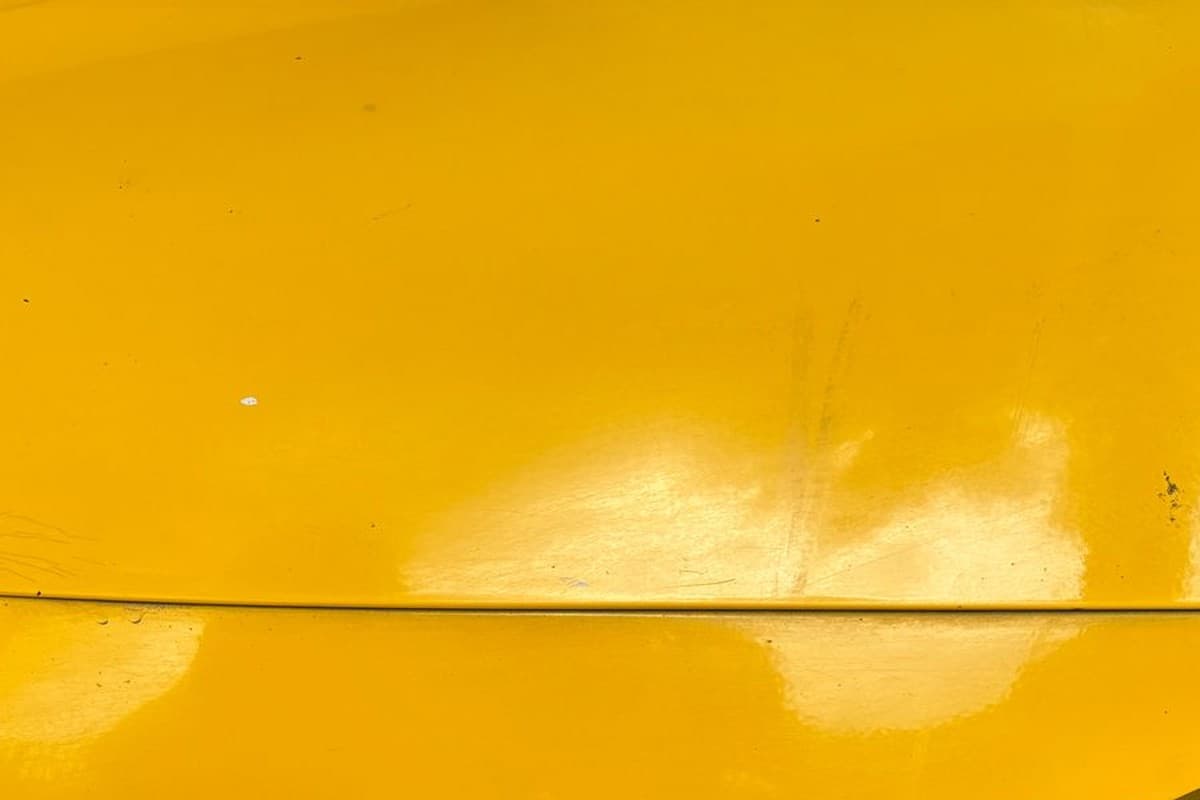
Even a small chip can expose bare metal underneath the paint, and once that metal is exposed to Willamette Valley moisture, rust can start forming within weeks. A chip that would have cost very little to touch up early can turn into a rust spot that meaningfully lowers value later – the damage compounds the longer it sits.
Faded or Oxidized Clear Coat
Oxidation strips away the glossy finish that makes paint look fresh, leaving a chalky, dull surface that makes a vehicle look years older than it actually is. Buyers often read oxidized paint as a sign of overall neglect, even when the damage is purely cosmetic and the paint underneath is otherwise sound.
Unmatched or DIY Patch Repairs
A visible color mismatch from a DIY paint pen or a rushed touch-up can raise more red flags than the original damage would have. Buyers and inspectors both notice when a repair doesn’t blend in, and that visible inconsistency can reduce confidence in the vehicle’s overall condition and history.
How Timely Touch-Ups Preserve and Protect Your Investment
Routine touch-ups catch minor damage before it escalates into something more expensive to fix. A small chip or scratch handled early stays a small, inexpensive repair; left alone, it can spread into surrounding rust or clear coat failure that requires a full panel repaint or respray – a job that typically costs several times more than a targeted touch-up. Mobile auto paint services make this kind of routine maintenance easy to stay on top of, since a technician can address minor cosmetic damage at your home or office without requiring a special trip or disrupting your schedule.
The Role of Clear Coat in Long-Term Paint Protection
Clear coat is a vehicle’s first line of defense against UV rays, rain, and road debris – all of which the Willamette Valley delivers in abundance between long wet winters and intense summer sun. When clear coat gets damaged or starts to fail, the paint layer underneath loses its protection and begins to deteriorate faster. Restoring or touching up clear coat damage early prevents that deeper deterioration, which is why clear coat condition specifically (not just visible paint color) is worth checking before assuming a vehicle’s exterior is in good shape.
What Buyers and Dealers Actually Look for During Inspection
A cosmetic inspection typically focuses on a short list of checkpoints: panel-to-panel color consistency, visible chips or scratches, clear coat gloss and texture, and any signs of prior repair work. Professional repairs leave minimal evidence – consistent gloss, a color match that disappears in daylight, and no visible edge where the repair meets the original paint – which holds up to closer scrutiny than a DIY fix typically does. A well-maintained exterior can justify a higher asking price and gives a seller more room in negotiations, while visible cosmetic damage tends to become a bargaining chip a buyer uses to push the price down.
Is a Paint Touch-Up Worth It Before Selling Your Car?
The answer depends on how much damage there is and how it compares to the value it’s protecting.
When a Touch-Up Makes Financial Sense
Small to moderate cosmetic damage – a chip, a scratch, a small faded patch – is exactly the situation where a touch-up makes sense: the repair cost is clearly outweighed by the value it protects or recovers at sale.
When to Consider a Broader Restoration Instead
Widespread oxidation across multiple panels, deep scratches down to primer or metal, or damage spread across several panels usually calls for a more comprehensive approach than a spot touch-up. In those cases, a broader restoration or full respray protects value more effectively than patching individual problem areas one at a time.
Why Professional Touch-Ups Outperform DIY Kits
Consumer paint pens and touch-up kits rarely match a vehicle’s exact factory color code, and an imperfect match can actually make cosmetic damage more noticeable than it was originally – which can hurt resale value rather than help it. In over 35 years of hands-on paint work across the Willamette Valley, DR Restoration has seen how much a vehicle’s paint condition shapes a buyer’s very first offer, before price is ever discussed. Professional technicians match color precisely and blend repairs into the surrounding factory paint so the fix disappears rather than standing out.
Keeping Your Car Market-Ready Year-Round in the Willamette Valley
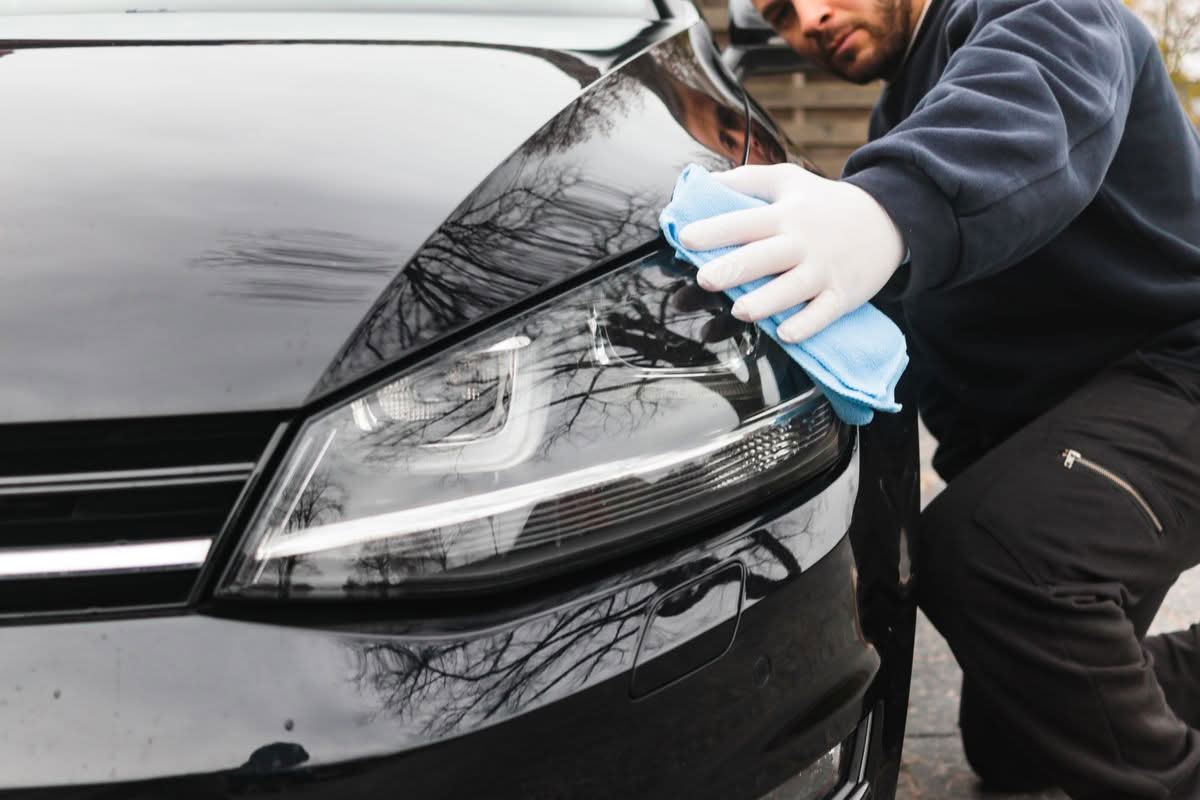
Between professional services, a few habits go a long way toward protecting paint condition: washing regularly to remove road grime and tree sap before they etch into the clear coat, parking in shade or a garage when possible to limit UV exposure, and applying wax or sealant periodically for an extra layer of protection against Oregon’s rain and road debris. Treating cosmetic care as an ongoing habit – rather than a scramble right before a trade-in or sale – keeps a vehicle consistently closer to its best resale condition instead of needing a bigger fix later.
DR Restoration has spent over 35 years helping Willamette Valley drivers protect their vehicles’ condition and value, backed by a 5.0-star rating across real customer reviews. If you’re getting ready to sell, trade in, or just want to protect what your vehicle is worth, call 541-714-1244 or send photos through the Photo Estimate tool. Learn more about paint touch-up or clear coat restoration.
FAQs
Does fixing paint chips and scratches really increase a car’s resale value?
Yes. Fixing visible chips and scratches removes the cosmetic signals of neglect that buyers and dealers use to justify lower offers, which typically protects or improves what a vehicle appraises for compared to leaving the damage visible.
How much can poor paint condition reduce what a dealer or buyer offers?
It varies by vehicle and damage severity, but poor paint condition consistently pushes offers down since it’s one of the first things a buyer or appraiser evaluates. The reduction is often disproportionate to the actual repair cost, which is exactly why addressing it beforehand tends to pay off.
Is it better to get a paint touch-up before or after getting a car appraised?
Before. An appraisal reflects the vehicle’s condition at the moment it’s evaluated, so addressing visible cosmetic damage beforehand gives the appraiser a more accurate, better-looking vehicle to base their number on.
Can a professional touch-up truly match my car’s original factory color?
Yes, when done by an experienced technician. Professional touch-ups identify the vehicle’s exact factory color code and account for how the surrounding paint may have faded or shifted over time, so the repair blends in rather than standing out as a different shade.
How often should I get paint touch-ups to keep my car in top resale condition?
There’s no fixed schedule – the right time is whenever new chips, scratches, or fading show up. Addressing damage as it appears, rather than waiting and letting it accumulate, is what actually keeps a vehicle closer to its best resale condition.
Does Oregon’s rainy climate cause more paint damage that affects vehicle value?
Yes. The Willamette Valley’s long wet winters and intense summer UV both accelerate clear coat breakdown and paint fading compared to drier climates, which makes routine cosmetic maintenance more important here than in many other regions.
What is the difference between a touch-up and a full respray when preparing to sell?
A touch-up targets specific damaged spots and blends them into the existing paint, while a full respray recoats an entire panel or vehicle. Touch-ups make financial sense for small to moderate damage; a full respray is usually reserved for widespread oxidation or damage across multiple panels.