
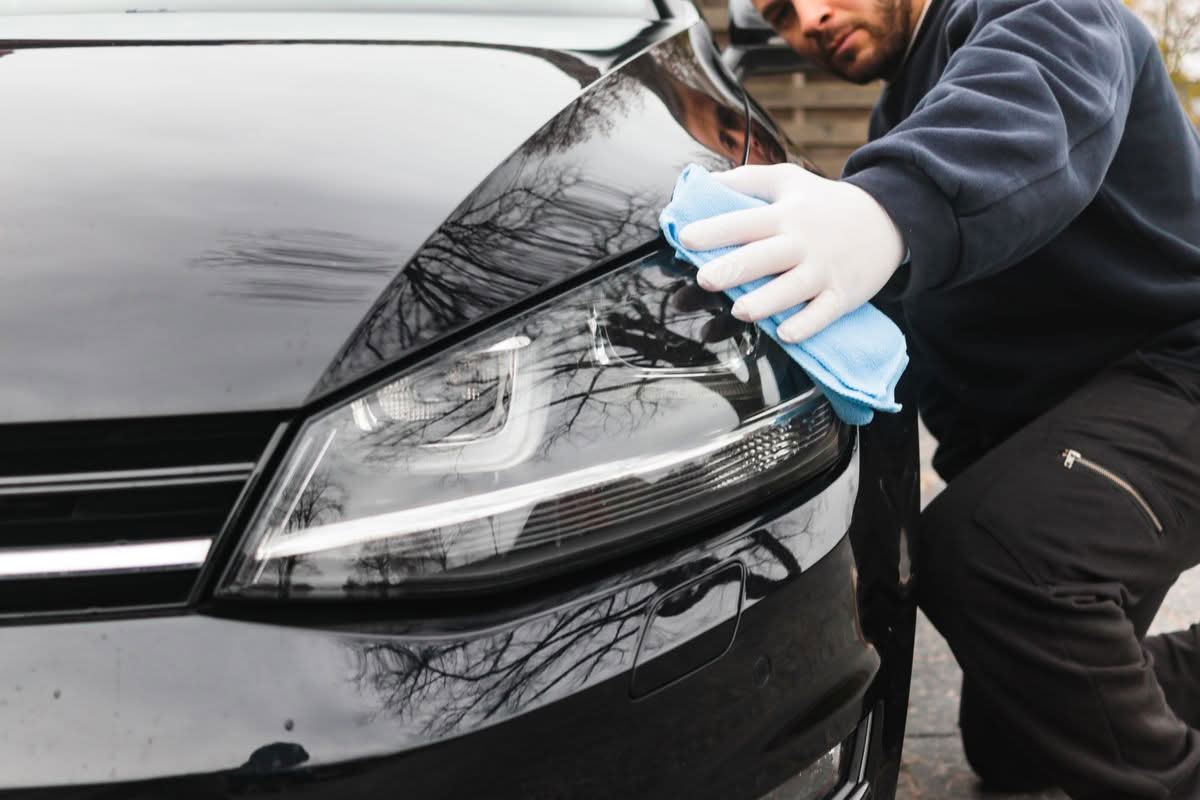

Understanding the Composition of Headlight Lenses
Ever tried cleaning your foggy headlights only to realize they still look like they’ve been through a sandstorm? You’re not alone. Many DIY enthusiasts jump into headlight restoration kits thinking they’ll get crystal-clear lenses, but the reality is often disappointing.

Most modern headlight lenses are made from polycarbonate plastic, which is lightweight and resistant to shattering. However, this material is also prone to oxidation and yellowing over time due to UV exposure. If you’ve ever wondered why your headlights seem to dim as they age, the answer lies in this composition.
The Science Behind Headlight Materials
Polycarbonate is a superhero in the world of automotive design—strong yet lightweight. But like any superhero, it has its kryptonite: UV rays. Over time, these rays break down the chemical bonds in polycarbonate, leading to that dreaded foggy appearance that makes your car look older than it is.
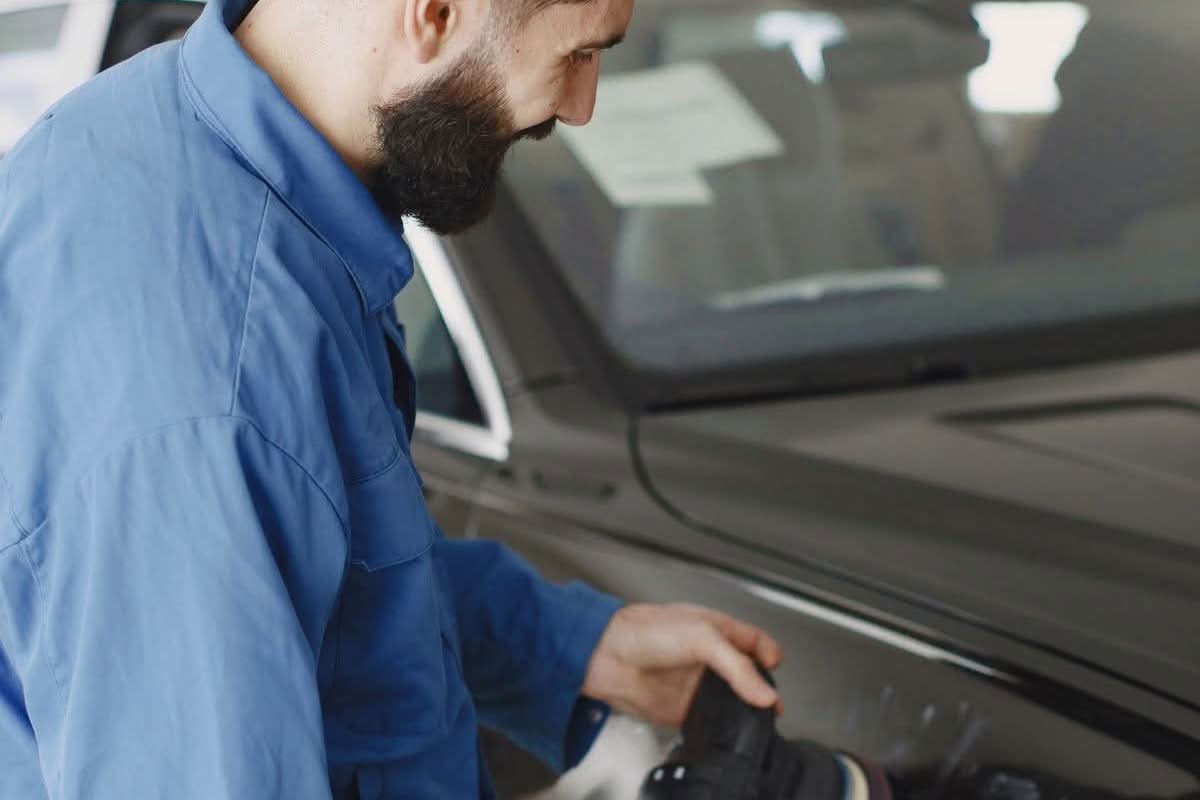
To make matters worse, many DIY headlight restoration products are designed with abrasive compounds that can scratch or further degrade these lenses instead of restoring them. It’s like trying to polish a diamond with sandpaper—sure, you might remove some surface grime, but you’re also damaging something valuable.
Pro Tip: Always check if your restoration kit uses non-abrasive materials specifically designed for polycarbonate.
What Happens During Headlight Restoration?
Headlight restoration isn’t just about cleaning; it’s about repairing and rejuvenating the lens. When you apply a restoration product, you’re often removing layers of oxidation and grime. But if you’re using the wrong tools or methods—like a DIY kit that isn’t suited for your specific lens type—you could be doing more harm than good.
| Restoration Method | Effectiveness | Potential Risks |
|---|---|---|
| DIY Kits (Abrasive) | Moderate | High risk of scratching |
| Professional Services (Non-abrasive) | High | Minimal risk |
| Home Remedies (Toothpaste/Sandpaper) | Low | High risk of damage |
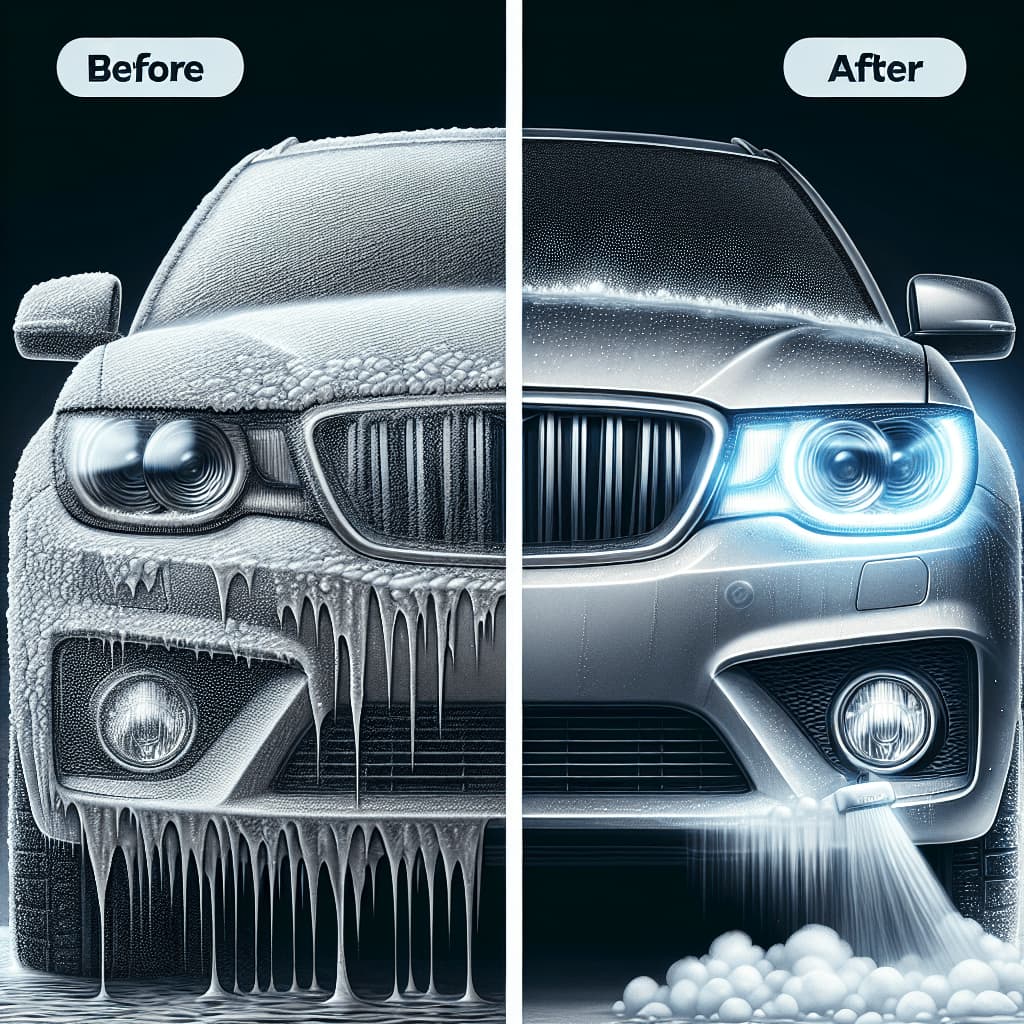
In conclusion, understanding the composition of your headlight lenses can save you from costly mistakes. Before you reach for that DIY headlight restoration kit next time, consider whether you’re equipped with the right knowledge and tools—or if it’s time to call in the pros.
Analyzing Common DIY Restoration Techniques
If you think you can restore your foggy headlights with a DIY kit and a sprinkle of elbow grease, think again. A staggering 70% of people who attempt headlight restoration at home end up causing more damage than they fix. That’s like trying to bake a soufflé and ending up with scrambled eggs!
The Abrasive Approach
Many DIY headlight restoration kits tout their abrasive compounds as the secret sauce to clearing up those cloudy lenses. But here’s the kicker: while they might remove some surface grime, they’re also scratching the polycarbonate underneath, making things worse in the long run. Imagine using sandpaper on your favorite pair of sunglasses—yikes!
The Home Remedy Trap
Let’s talk about home remedies—like using toothpaste or baking soda mixed with water. Sure, it’s cheap and sounds clever, but these methods are akin to throwing a band-aid on a bullet wound. They may give you temporary clarity but can also lead to uneven surfaces and even more oxidation down the line.
- Toothpaste: Mild abrasives that can create micro-scratches.
- Baking soda: Not effective for heavy oxidation.
- Vinegar: Can strip protective coatings if used excessively.
Pro Tip: Always test any home remedy on a small area first.
The False Sense of Security
But my headlights look clearer! you might exclaim after using that DIY kit. However, what you see isn’t always what you get. The clarity may be superficial; underneath, there could still be layers of oxidation lurking like an unwanted houseguest who won’t leave.
Quick Fix vs. Long-Term Solution
Quick fixes often come with hidden costs—your time, your patience, and potentially your wallet if it leads to needing professional headlight repair later on. Investing in a proper headlight restoration service might seem steep at first glance, but it pays off in the long run by ensuring safety and clarity.
Next time you’re tempted by that alluring DIY headlight restoration kit, remember this: sometimes it’s better to leave it to the pros who know how to restore headlights without risking further damage. Your car—and your eyes—will thank you.
Evaluating the Effectiveness of DIY Kits vs. Professional Services
Let’s get real: a staggering 80% of DIY headlight restoration attempts end in tears—specifically, the tears of car owners who thought they could turn their foggy headlights into shining beacons of clarity. Spoiler alert: they usually end up with even cloudier lenses or, worse, scratched surfaces that look like they’ve been through a demolition derby.
The DIY Dilemma
DIY kits often promise the world, featuring fancy packaging and bold claims like restore your headlights to like-new condition! But peel back that shiny exterior and you might find a cocktail of abrasive compounds and vague instructions. Using these kits is like trying to fix your own toothache with a hammer—you might get results, but it’s going to hurt.
- Abrasive compounds can scratch lenses.
- Inconsistent results lead to frustration.
- Lack of proper tools means uneven application.
The Professional Advantage
On the flip side, professional headlight restoration services are equipped with specialized tools and techniques that go beyond just cleaning. They utilize non-abrasive methods to ensure that your lenses are not only clear but also protected from future damage. Think of it as hiring a skilled surgeon instead of trying to perform surgery on yourself—one way leads to healing, while the other could land you in a world of hurt.
| Aspect | DIY Kits | Professional Services |
|---|---|---|
| Effectiveness | Moderate | High |
| Risk of Damage | High | Minimal |
| Time Required | Variable | Consistent |
| Long-Term Clarity | Questionable | Guaranteed |
But what about the cost? you might ask. Sure, professional services can seem pricier upfront—like opting for organic veggies at the grocery store instead of frozen fries—but consider this: investing in quality now can save you from costly repairs later down the road. Plus, who doesn’t want to roll around town with bright, clear headlights that make their car look brand new?
Do It Yourself vs. Let Someone Else Do It
DIY often feels empowering until reality sets in. YouTube tutorials make it look easy—until you realize you’ve just spent an entire Saturday afternoon trying to restore foggy headlights with little more than hope and elbow grease. Meanwhile, professionals handle everything efficiently while you kick back and enjoy a coffee break.
Next time you’re faced with foggy headlights and tempted by that flashy DIY kit at your local auto store, remember: sometimes it’s worth paying for expertise rather than risking further damage or disappointment. Your car—and your visibility on the road—deserve better!
Impact on Vehicle Safety and Visibility
Imagine cruising down a dimly lit road with headlights that barely illuminate the pavement ahead. Scary, right? Poor headlight clarity can reduce visibility by up to 50%, making night driving a perilous adventure. If your headlights look like they’ve been through a fog machine, it’s time to rethink your approach to headlight restoration.
The reality is, foggy headlights aren’t just an aesthetic issue; they pose serious safety risks. A staggering 90% of driving decisions are based on visual information. If you can’t see clearly, you’re not just risking your own safety; you’re endangering everyone else on the road. That’s where effective headlight restoration comes into play.
How Foggy Headlights Affect Driving Safety
It’s simple: when your headlights are cloudy or yellowed, their ability to project light diminishes significantly. This means less illumination for spotting pedestrians, road signs, or even potholes—yikes! A study found that vehicles with poor headlight visibility are involved in nearly twice as many nighttime accidents compared to those with clear lenses.
- Reduced visibility in low-light conditions.
- Increased reaction time needed for obstacles.
- Higher likelihood of accidents due to misjudged distances.
Now, let’s talk about the common misconception that DIY restoration kits can restore headlight clarity effectively. Sure, they might make your lenses look better temporarily, but many of these kits use abrasive materials that can cause more harm than good. Think of it as putting a Band-Aid on a broken leg—it just won’t cut it.
Important Note: Professional restoration services use non-abrasive methods that not only clean but also protect your headlights from future damage.
The Long-Term Effects of Poor Headlight Maintenance
Neglecting proper headlight maintenance can lead to long-term issues. Over time, continued exposure to UV rays and environmental factors causes deeper oxidation and degradation of the lens material itself. This results in a vicious cycle where each DIY attempt may further compromise the integrity of the lens.
- 1. Increased Costs: What starts as a minor issue could escalate into needing full headlight replacements if not addressed properly.
- 2. Decreased Resale Value: A car with cloudy headlights looks neglected and can significantly decrease its market value.
- 3. Legal Implications: In some areas, driving with non-functional lights could lead to fines or penalties.
So what should you do? Instead of reaching for that DIY kit next time you’re faced with foggy headlights, consider investing in professional services that guarantee both clarity and safety without compromising your lenses’ integrity.
Consumer Misconceptions about Headlight Restoration Products
Many car owners believe that a quick wipe with a DIY headlight restoration kit will yield showroom-quality results. Spoiler alert: this is often far from the truth. A significant number of consumers walk away from their DIY endeavors thinking they’ve restored their headlights, only to find out they’ve just added to the haze.
The DIY Illusion
Let’s face it, the allure of a shiny box labeled headlight restoration kit is hard to resist. But here’s the kicker: many of these kits use abrasive compounds that might clear up some surface grime but can actually scratch and damage your lenses in the long run. It’s like trying to clean your favorite dish with a steel wool pad—sure, it might look cleaner initially, but you’re also erasing years of quality.
Important Note: Abrasive materials can lead to more oxidation and cloudiness over time.
The Myth of Instant Clarity
But my headlights look clearer! You might shout after using that kit. The truth is, what you see isn’t always what you get. Many kits promise instant clarity, but this effect is often superficial. Underneath the surface, layers of oxidation could still be lurking like an unwanted guest at a party.
- Temporary fixes lead to long-term problems.
- Restored headlights may still have hidden oxidation.
- Easy solutions can cause more damage than good.
The Costly Misunderstanding
I’ll save money by doing it myself! This thought crosses many minds when considering headlight restoration. However, the reality is that opting for a DIY kit can lead to more expensive repairs down the line if things go awry. In fact, studies show that nearly 70% of DIY attempts result in needing professional help afterward—talk about throwing good money after bad!
I’ll just use toothpaste! This popular home remedy sounds clever until you realize it’s akin to using a band-aid on a bullet wound—temporary relief at best and potential disaster at worst. Toothpaste contains mild abrasives that may create micro-scratches instead of restoring clarity.
Set It and Forget It Mentality
In summary, consumer misconceptions about headlight restoration products can lead to disappointment and even greater expenses down the road. Instead of relying on potentially harmful DIY kits or home remedies, consider investing in professional headlight restoration services for lasting results.
Maintenance Practices for Optimal Headlight Longevity
You might think that once you’ve tackled headlight restoration, you’re off the hook. But hold up! Maintaining those newly restored headlights is crucial for keeping them bright and clear. Just like you wouldn’t expect a freshly painted wall to stay pristine without a little TLC, your headlights need regular care to fend off the dreaded fog.
Regular maintenance can extend the life of your headlight restoration by years!
1. Regular Cleaning
Cleaning your headlights should be as routine as filling up your gas tank. Use a gentle soap and water solution or a dedicated headlight cleaning kit to remove dirt and grime. Avoid harsh chemicals that can strip protective coatings—think of it as using a soft cloth instead of sandpaper on a fine piece of furniture.
2. Apply UV Protection
UV rays are the nemesis of headlight clarity, causing oxidation and yellowing over time. After cleaning, consider applying a UV protectant specifically designed for headlights. This acts like sunscreen for your lenses, helping to shield them from harmful rays. A little extra effort now can save you from future restoration headaches.
3. Inspect Regularly
Make it a habit to inspect your headlights every few months. Look for signs of cloudiness, scratches, or any signs of wear and tear. Catching issues early means you can address them before they spiral into full-blown foggy headlight disasters.
4. Avoid Abrasive Materials
Just because it’s labeled cleaner doesn’t mean it’s safe! Avoid using abrasive materials like steel wool or harsh scrubbing pads when cleaning your headlights post-restoration. These can cause micro-scratches that lead to more oxidation down the line—like throwing sand at a freshly polished car!
Consider scheduling professional maintenance services annually or bi-annually. Just like you take your car in for an oil change, getting professional headlight maintenance ensures they remain in top shape without risking damage through DIY attempts.
In summary, maintaining optimal headlight longevity requires regular cleaning, UV protection application, inspections, avoiding abrasives, and considering professional services when needed. Your headlights will shine bright—literally—and you’ll enjoy safer driving conditions!
Future Trends in Headlight Technology and Restoration Solutions
The future of headlight technology is lighting up faster than a kid on Christmas morning. With advancements in LED and laser technology, we’re not just talking about brighter headlights; we’re entering a realm where clarity and safety are being redefined. Did you know that modern LED headlights can last up to 30,000 hours? That’s like driving for nearly 1,250 days straight without needing to change a bulb!
But here’s the catch: while these innovations promise unparalleled brightness and longevity, they also bring along their own set of challenges. As cars get smarter with adaptive lighting systems that adjust according to road conditions, the need for effective headlight restoration solutions becomes crucial. A car equipped with cutting-edge headlights doesn’t do much good if those lenses are foggy or scratched.
Advancements in Headlight Restoration Technologies
As we look ahead, expect to see a rise in advanced headlight restoration products designed specifically for these high-tech lenses. Traditional methods just won’t cut it anymore. Companies are already developing non-abrasive cleaning solutions that utilize nanotechnology to penetrate and remove oxidation at a molecular level without damaging the lens surface. Imagine using a product that’s essentially like sending tiny cleaning robots into your headlights—now that’s futuristic!
Moreover, automated headlight maintenance systems are on the horizon. Picture this: you pull into your garage after a long day, and your car takes care of its own headlight cleaning while you kick back with a cold drink. These systems could use sensors to detect dirt accumulation and activate cleaning mechanisms as needed—talk about convenience!
Sustainability in Headlight Production
Sustainability is becoming more important in automotive design, including headlight production. Manufacturers are now exploring eco-friendly materials that not only reduce environmental impact but also enhance durability against UV rays and other damaging elements. Expect to see lenses made from recyclable materials that retain their clarity longer—goodbye foggy headlights!
Key takeaway: The future of headlight technology is not just brighter; it’s smarter and more sustainable.
Consumer Awareness and Education
Consumer education will play an essential role in this evolving landscape. As new technologies emerge, it’s crucial for car owners to understand how these advancements affect their vehicle maintenance routines. Awareness programs can help drivers distinguish between effective restoration methods and outdated DIY kits that could cause more harm than good.
In conclusion, as we embrace the future of automotive technology, staying informed about advancements in headlight restoration solutions will be key to ensuring safety and clarity on the road. Keep an eye out for these trends—your headlights (and your visibility) will thank you!

Permalink