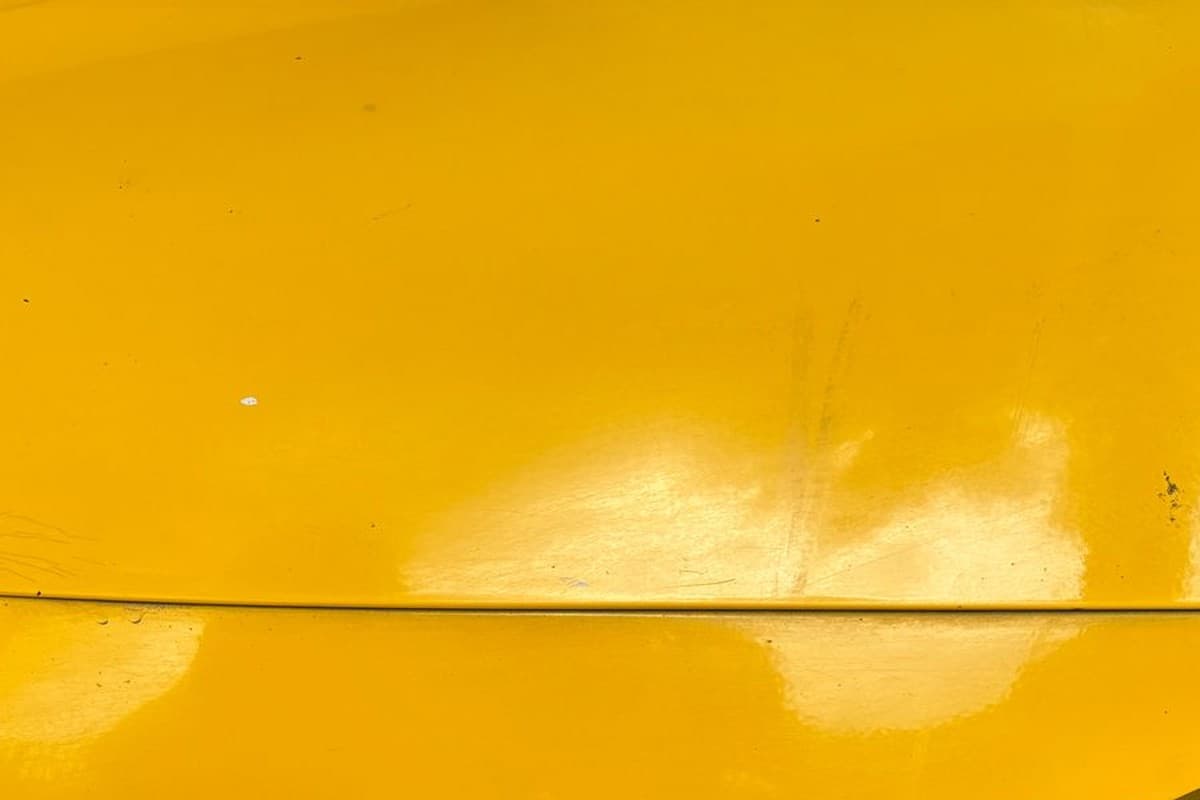

What type of paint damage does your car actually have? It’s usually one of six things: surface scratches, deep scratches down to primer, oxidation and fading, rock chips, clear coat peeling, or water spot etching – and each one has a different fix, from a simple touch-up to full professional restoration. Knowing which one you’re looking at is the first step to fixing it the right way instead of overpaying for the wrong repair, or under-treating a problem that gets worse.

Why Identifying Paint Damage Early Matters
Catching paint damage early can prevent a small, inexpensive fix from turning into a much costlier repair. A chip that exposes bare metal can start rusting within weeks in a wet climate; a hairline scratch left alone can let moisture work its way deeper into the clear coat and base coat. Beyond cost, unaddressed paint damage affects resale value and can even hint at underlying issues, like a dent that’s cracked the paint film. Timely inspection – even just a walk-around every few months – is the cheapest tool a car owner has for preserving both appearance and long-term value.
The Most Common Types of Car Paint Damage
Most paint problems fall into a handful of recognizable categories. Here’s what each one looks like, what causes it, and how it’s typically addressed.
Surface Scratches and Swirl Marks
Surface scratches and swirl marks are shallow marks that sit in the clear coat only – they don’t reach the color layer underneath. They’re usually caused by improper washing (dirty rags, automatic car washes with worn brushes) or minor abrasions like a fingernail or a stray branch. These are among the easiest paint issues to address, often correctable with polishing or paint correction rather than any actual paint application.
Deep Paint Scratches and Primer Exposure
Deep scratches cut through the clear coat and the base color coat, exposing the primer or bare metal underneath. Unlike surface scratches, these need prompt professional attention – once bare metal is exposed to moisture, rust can start forming in a matter of weeks, turning a straightforward touch-up into a more involved repair if it’s ignored.
Paint Oxidation and Fading
Oxidation happens when prolonged UV exposure breaks down the clear coat’s protective structure, leaving paint looking dull, chalky, or noticeably faded compared to its original color. Oregon’s climate is a real contributor here – long stretches of intense summer sun followed by wet winters accelerate the process compared to milder, drier climates. Mild oxidation can often be polished out; more advanced oxidation usually needs a deeper correction or clear coat restoration.
Paint Chips and Rock Damage
Paint chips come from road debris and gravel kicked up by other vehicles, and they show up most often on hoods, bumpers, and lower panels – anywhere directly in the line of fire from the road. Left untreated, a chip exposes the metal underneath to moisture the same way a deep scratch does, and can develop into a rust spot that’s far more expensive to fix than the original chip would have been.
Clear Coat Peeling and Failure
Clear coat failure shows up as peeling, flaking, or a persistent hazy look that doesn’t go away with washing or waxing. Once the clear coat starts to separate from the paint underneath, it no longer protects the color layer from UV rays and moisture, and the damage tends to spread rather than stay contained. Restoring or replacing the clear coat is essential once this starts – it’s not a problem polish alone can fix.
Water Spots and Mineral Deposits
Hard water and rain both leave mineral deposits on paint that, left to dry in the sun, can etch permanently into the clear coat over time. This is a particularly relevant concern for Willamette Valley drivers given how much rain the region sees across fall and winter. Fresh water spots often wash or polish away easily; older, etched spots may need paint correction to fully remove.
Which Types of Paint Damage Can Be Fixed with a Touch-Up?
Mobile paint touch-up is a good fit for contained, cosmetic damage: paint chips, surface scratches, and small areas of scuffed or scraped paint. These are repairs where a technician can clean, prep, color-match, and blend a small area without needing a controlled shop environment. Damage that’s spread across multiple panels, gone down to bare metal over a large area, or involves clear coat that’s actively peeling is generally beyond what a touch-up is designed to fix – that’s when a more involved repair or restoration service makes more sense.
When Does Paint Damage Require Professional Restoration?
DIY solutions – touch-up pens, rubbing compound, home wax kits – work fine for very minor, surface-level issues, but they fall short once damage reaches primer or metal, once oxidation has advanced past a light haze, or once clear coat has started to peel. At that point, matching factory color accurately, prepping the surface correctly, and applying clear coat that actually bonds and lasts is a job for someone who’s done it thousands of times, not a first attempt with a bottle from an auto parts store. An experienced auto paint specialist can also tell the difference between damage that looks bad but is genuinely minor, and damage that looks minor but is actually more serious underneath.
How Mobile Paint Repair Works for Different Damage Types
A mobile auto paint professional starts every visit with an in-person assessment – checking how deep the damage goes, how large an area is affected, and whether the surrounding paint has faded enough to complicate a color match. From there, the process is largely the same regardless of damage type: clean and prep the area, match and mix the color, apply the repair in controlled layers, blend the edges into the surrounding factory paint, and finish with clear coat. The advantage of mobile service is that this all happens at your home or office, on your schedule, using the same professional-grade tools and materials used in a shop – without a drop-off or a rental car in between.
How Oregon’s Environment Contributes to Paint Damage
The Willamette Valley’s climate is genuinely tough on car paint. Long, wet winters mean extended exposure to rain and road grime, which contributes to both water spotting and the kind of grit-and-debris chipping that comes from wet, gravel-strewn roads. Intense summer UV exposure, on the other hand, is the primary driver behind oxidation and fading. Very few climates deliver both extremes in the same calendar year the way Oregon does, which is part of why paint here tends to show wear faster than it would in a milder, drier region. For a deeper look at how the seasons specifically affect paint here, see our article on how Oregon’s climate damages car paint.
Tips to Prevent the Most Common Types of Paint Damage
A few habits go a long way between professional services: wash regularly to remove road grime, tree sap, and mineral-laden water before they have a chance to etch into the clear coat; dry the car after washing rather than letting water air-dry and spot; park in shade or a garage when possible to limit UV exposure; and apply wax or a sealant periodically for an added layer of protection against Oregon’s rain and road debris. None of this replaces a real repair once damage exists, but it meaningfully slows down how fast new damage develops.
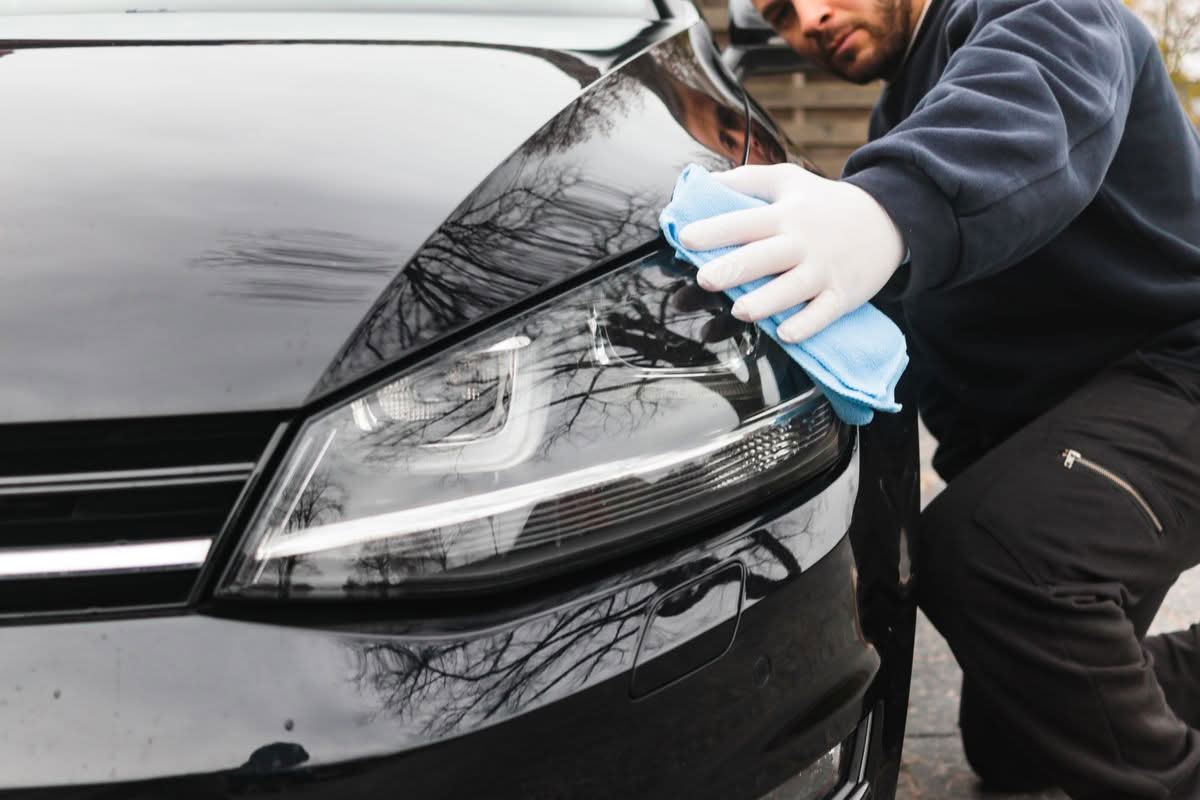
If you’re not sure which type of damage your car actually has, that’s a normal place to start – DR Restoration has spent over 35 years diagnosing and repairing exactly these kinds of paint issues for Willamette Valley drivers, backed by a 5.0-star rating across real customer reviews. Call 541-714-1244 or send photos through the Photo Estimate tool, or learn more about paint touch-up, paint correction, and clear coat restoration.
FAQs
What is the most common type of car paint damage?
Surface scratches and paint chips are the two most common types, since both come from everyday driving and washing rather than any unusual event. They’re also generally the easiest and least expensive to fix when addressed early.
Can surface scratches be fixed without repainting the whole car?
Yes. Surface scratches and swirl marks sit in the clear coat only, so they can typically be corrected with polishing or paint correction rather than any new paint application, let alone a full repaint.
How do I know if my clear coat is failing?
Look for peeling or flaking at the edges of a panel, a persistent hazy or cloudy look that doesn’t improve with washing or waxing, and a rougher-than-normal texture to the paint. Once you see actual peeling, it’s a sign the clear coat has separated from the paint underneath and needs restoration.
Is paint oxidation reversible?
Mild oxidation can often be polished out, restoring much of the paint’s original shine. More advanced oxidation, where the chalky texture is heavy and widespread, usually needs a deeper paint correction or clear coat restoration rather than polishing alone.
What types of paint damage does a mobile auto paint service handle?
Mobile services are well-suited to contained damage like paint chips, surface scratches, and small scuffed areas. Widespread oxidation, damage across multiple panels, or active clear coat peeling generally call for a more involved in-shop repair.
How does Oregon’s rainy climate affect car paint over time?
Extended rain exposure contributes to water spotting and mineral etching, while wet roads kick up more grit and debris that leads to chipping. Combined with intense summer UV that drives oxidation, the Willamette Valley’s climate accelerates several types of paint wear at once.
How soon should I repair a paint chip before it gets worse?
As soon as reasonably possible. Once a chip exposes bare metal, moisture can start causing rust within weeks, especially in a wet climate, turning an inexpensive touch-up into a more involved repair if it’s left alone too long.