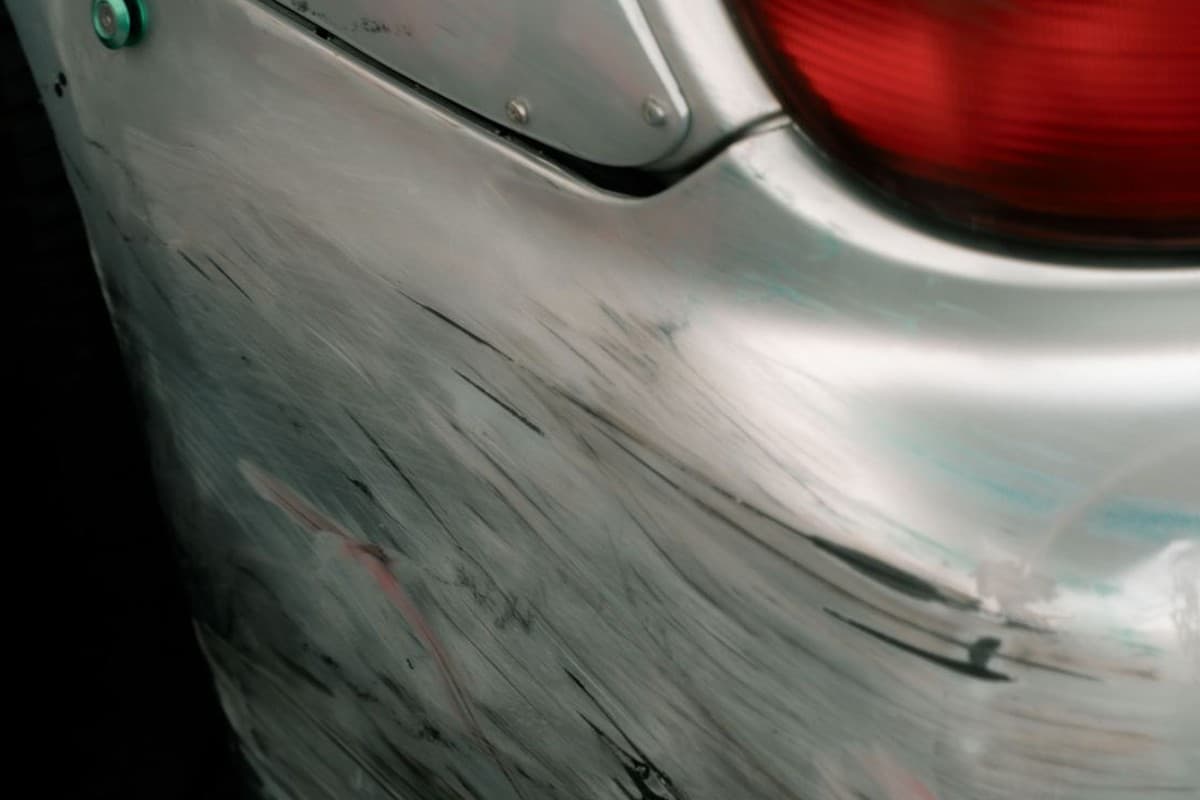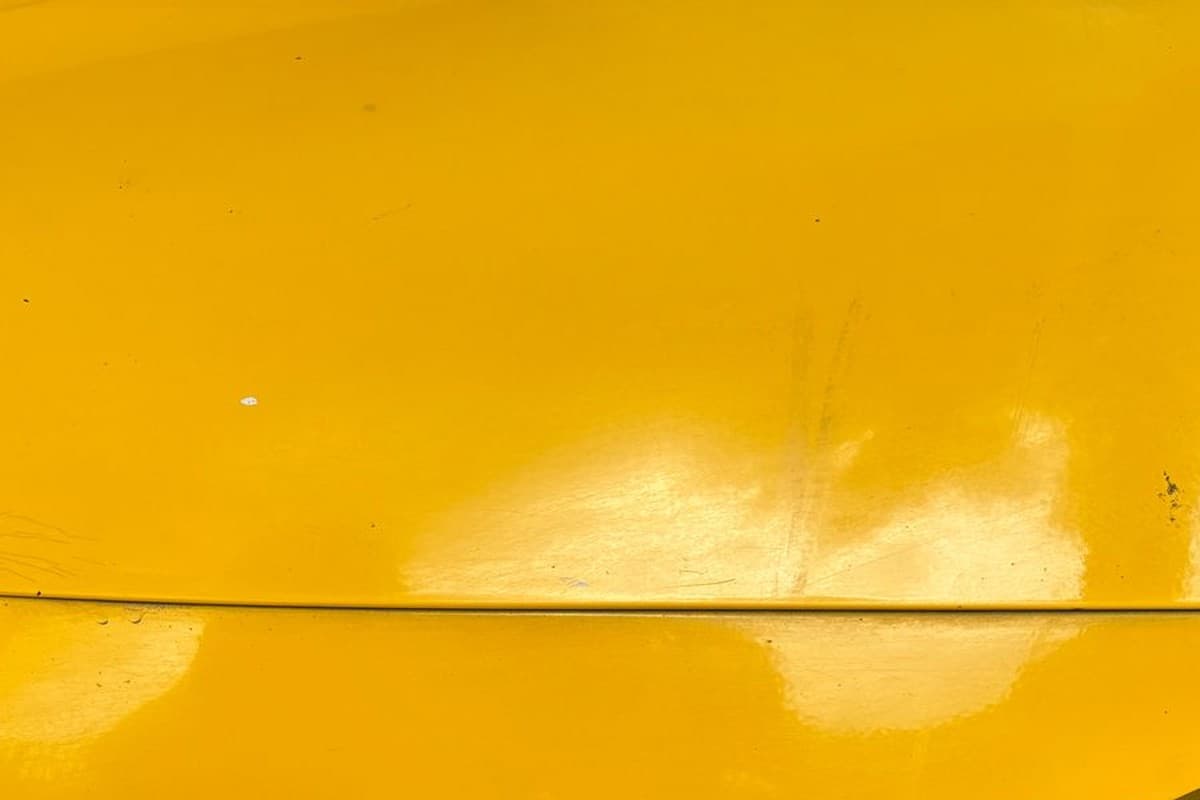
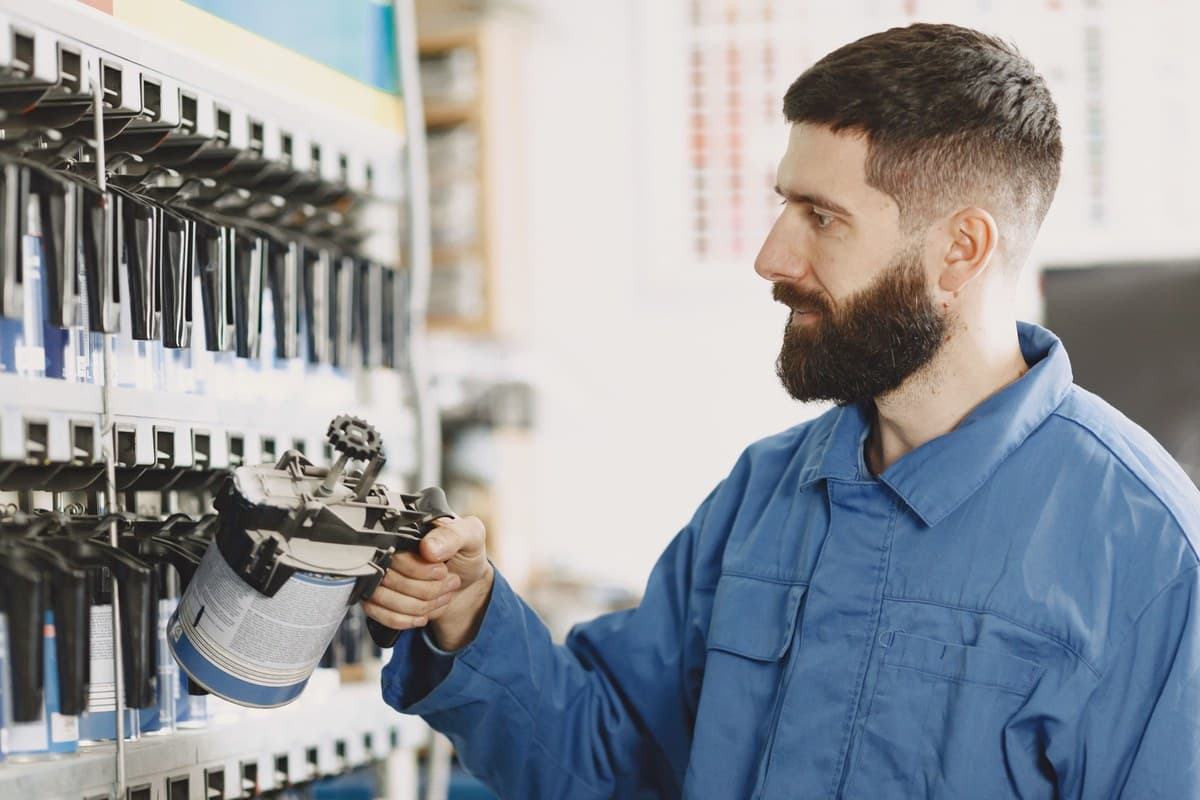

Should you repair your car’s damaged paint, or does it need to be replaced? In most cases, repair is the right call – full panel replacement is really only necessary once damage has reached bare metal, spread across multiple panels, or advanced into rust. The answer always comes down to how deep the damage goes, not how bad it looks on the surface, which is exactly why a proper assessment matters before you spend a dollar either way.

Why the Repair vs. Replace Decision Matters
Getting this decision right affects three things at once: your budget, your car’s resale value, and how long the fix actually lasts. Repairing damage that truly needed a full repaint just delays the real fix and wastes money on a temporary patch. Replacing a panel that only needed a spot repair means paying several times more than necessary for a result that isn’t meaningfully better. Is it worth fixing, or does it need full replacement? The honest answer depends on an accurate diagnosis, not a guess based on how a chip or scratch looks from a few feet away.
What Counts as Repairable Paint Damage?
Not all paint damage is created equal, and a lot of it responds well to a targeted touch-up rather than a full repaint. Here’s how to self-assess before booking a consultation.
Surface Scratches and Paint Chips
Shallow scratches and chips that haven’t broken through to the primer or bare metal are prime candidates for touch-up repair. If you can’t catch the edge of the damage with a fingernail, and there’s no exposed gray primer or metal visible, it’s very likely a clear-coat- or color-coat-level issue. Professional color-matching, using your vehicle’s factory paint code, makes these fixes nearly invisible once blended – a well-done touch-up on this kind of damage shouldn’t be noticeable at normal viewing distance.
Clear Coat Peeling and Oxidation
Faded, hazy, or lightly peeling clear coat can often be restored without repainting the entire panel, especially when it’s caught early. Clear coat restoration reconditions the existing top layer instead of stripping and reapplying paint underneath it, which is why it costs meaningfully less than a full respray and can often be done in a fraction of the time.
When Is Paint Replacement the Better Option?
Some damage goes beyond what a touch-up or restoration can address. These are the situations where a panel repaint or full respray becomes the more practical, and ultimately more cost-effective, long-term solution.
Deep Rust and Metal Damage
Once rust has penetrated the metal substrate itself, cosmetic repair alone won’t solve the problem – the compromised metal typically needs to be treated or replaced before any new paint goes on, or the rust will simply resurface underneath it. A professional assessment at this stage isn’t just about matching color; it’s about confirming how far the corrosion has spread and whether the panel’s structural integrity is affected.
Large or Multi-Panel Paint Failure
When damage spans multiple panels, or clear coat failure has spread too widely for a spot treatment, full panel repainting usually makes more sense than trying to patch each section individually. Color-matching across multiple panels, especially on an older vehicle where the original paint has faded unevenly over time, becomes its own challenge – and an experienced technician will tell you honestly when spot repairs are more likely to create visible mismatches than solve the problem.
How a Professional Assessment Changes Everything
Guessing at the extent of paint damage from a photo or a quick glance is how good money gets spent on the wrong fix. An in-person assessment – the kind DR Restoration has been doing for over 35 years across the Willamette Valley – starts with a close inspection of the damaged area under good lighting, checking whether the damage stops at the clear coat, reaches the color coat, or has broken through to primer or metal. A technician with decades of hands-on repetition can usually tell within a minute or two which category damage falls into just by feel and by how the edges of the chip or scratch are shaped, then gives an honest recommendation – not the most expensive option, but the one that actually fixes the problem. That kind of assessment is available on-site through mobile service or in person, whichever fits your schedule better.
Cost Comparison: Repair vs. Replace
Mobile paint touch-up and spot repairs on this site typically run $75 to $350, depending on the size and location of the damage. A full panel repaint costs significantly more – often several times that range – since it involves stripping the panel, priming, color-matching, applying multiple coats, and blending into the surrounding panels so the transition isn’t visible. Repairing damage while it’s still limited to the clear coat or a single small area is consistently far less expensive than waiting until it spreads into surrounding panels or deeper into the metal; early intervention is almost always the cheaper path, even though the exact savings depend on how far the damage has already progressed by the time it’s addressed.
How Oregon’s Conditions Affect the Urgency of Paint Repairs
Willamette Valley’s climate doesn’t give damaged paint much time to sit untreated. Near-constant winter moisture works its way into any break in the paint quickly, and once that moisture reaches metal, rust can start within days rather than months. Road debris on rural highways around the valley is a steady source of new chips, and summer UV exposure accelerates fading and clear coat breakdown on top of whatever damage is already there. Seasonal temperature swings between a wet winter and a hot, dry summer also stress paint that’s already compromised, since the panel expands and contracts under a layer that’s no longer fully sealed. In this climate, a chip that might sit fine for years somewhere drier can turn into a rust repair in a single rainy season here.
What to Expect from a Mobile Paint Repair Consultation
A mobile consultation with DR Restoration starts with a look at the damage in natural light, either in person or through photos submitted via the Photo Estimate tool. From there, the assessment covers how deep the damage goes, how large an area is affected, and whether it’s isolated or likely to spread, before landing on a specific recommendation – touch-up, clear coat restoration, paint correction, or a referral for more extensive bodywork if the damage is beyond cosmetic repair. Because it’s the same technician handling every step, from the initial look to the finished repair, there’s no handoff between an estimator and a different repair crew, and no incentive to recommend more work than the damage actually needs.
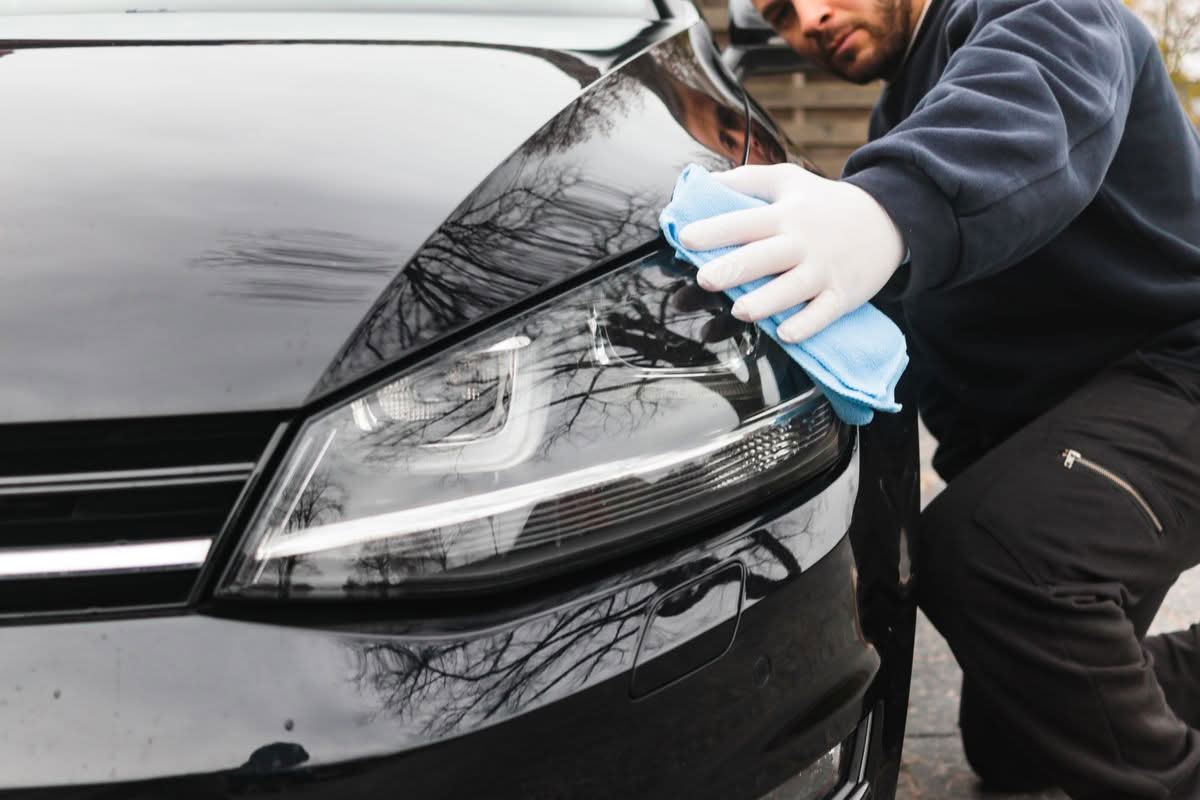
If you’re weighing repair against replacement on your own vehicle, call 541-714-1244 or send photos through the Photo Estimate tool for an honest read on what it actually needs. DR Restoration provides mobile paint touch-up, clear coat restoration, and paint correction throughout Junction City, Eugene, Springfield, Corvallis, Albany, and the surrounding Willamette Valley.
FAQs
Can a paint touch-up really match my car’s original color?
Yes, when it’s done using your vehicle’s factory paint code and professional-grade materials. A properly color-matched touch-up blends into the surrounding panel closely enough that it isn’t noticeable at normal viewing distance.
How do I know if my clear coat is damaged or just dirty?
Wash and dry the area first. If the haziness, dullness, or cloudy patches remain after a proper wash, that’s a clear coat issue rather than surface grime. Peeling or a rough, uneven texture you can feel confirms clear coat damage rather than dirt.
Is it worth repairing paint damage on an older or high-mileage vehicle?
Usually, yes. Repairing chips and scratches prevents rust from developing, which protects the vehicle’s condition and value regardless of its age or mileage, and it’s typically far less expensive than letting the damage spread over time.
How long does a professional paint touch-up last compared to a full repaint?
A properly done touch-up, matched to the factory paint code and correctly sealed, can hold up for years under normal driving and weather conditions – similar to how long a quality full repaint lasts, since both rely on the same color-matching and sealing process, just applied to a smaller area.
Will insurance cover paint repair or replacement after road damage?
It depends on your policy. Comprehensive coverage often applies to damage from road debris, vandalism, or weather events, subject to your deductible, while normal wear like fading or minor chips from everyday driving typically isn’t covered. Checking directly with your insurer before repairs is the best way to know for sure.
How quickly should I act on paint damage before it gets worse?
Sooner rather than later, especially in Willamette Valley’s wet climate. A chip or scratch that’s still limited to the clear coat or color coat can turn into a rust repair within a single rainy season once moisture reaches exposed metal.
Can mobile auto paint services handle the same repairs as a traditional body shop?
For cosmetic damage – touch-ups, clear coat restoration, paint correction – yes, a skilled mobile technician can match and blend paint on-site with the same accuracy as an in-shop repair. More extensive structural bodywork is better suited to a shop’s controlled environment and equipment.