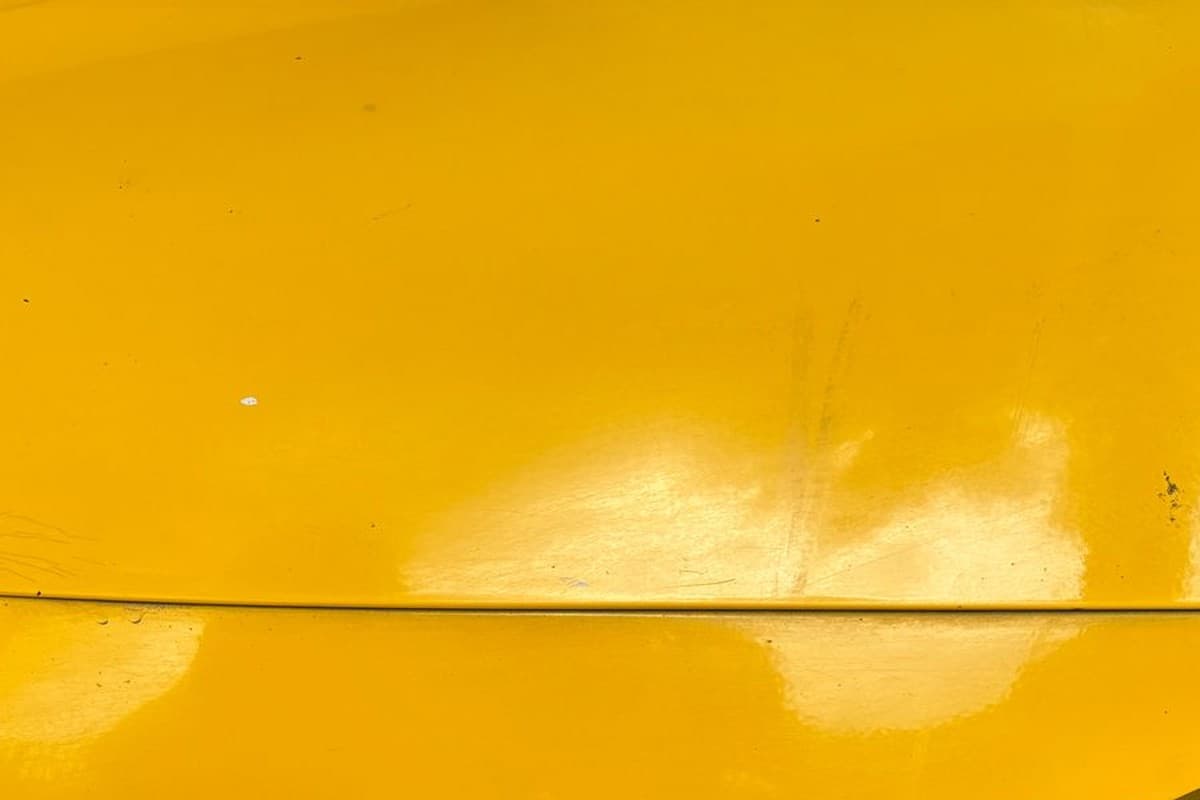
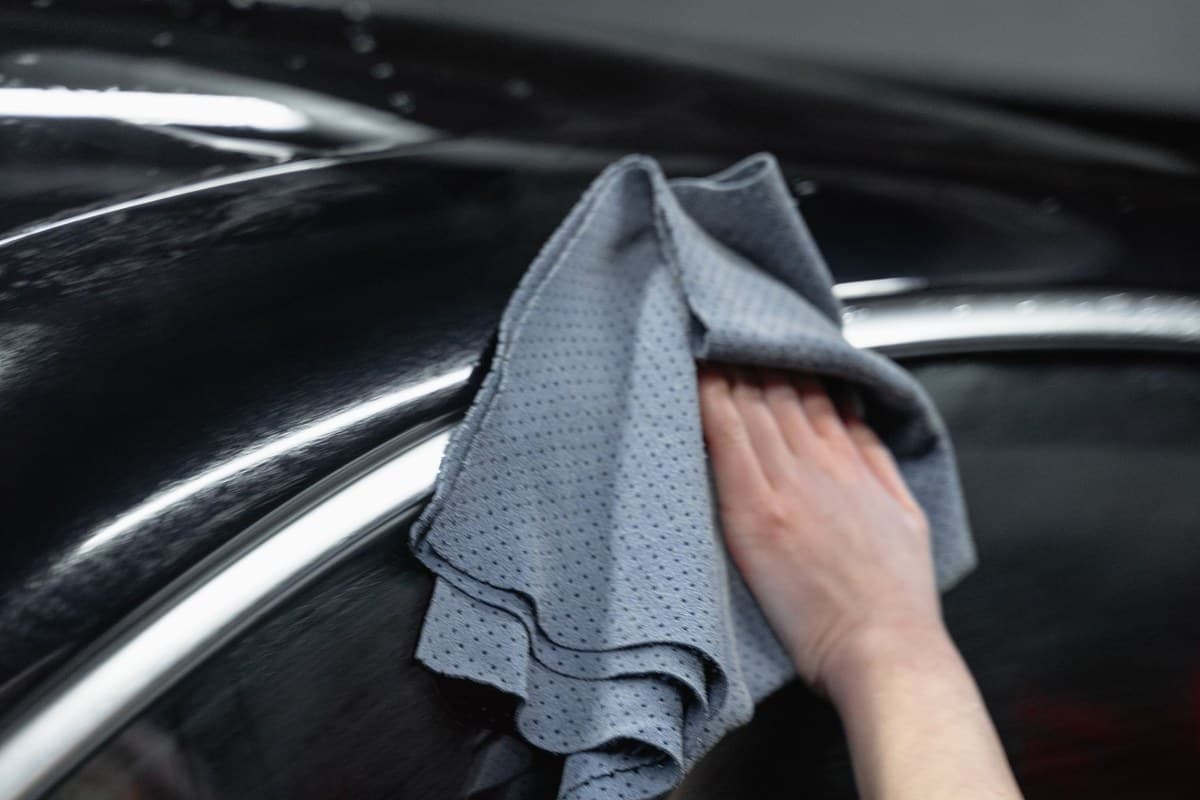

Why does experience matter in auto paint restoration? Because color matching, damage diagnosis, and finish work all depend on judgment calls that only come from doing the work thousands of times before – not from a tool or a certification alone. If you’ve ever wondered why two paint jobs on the exact same kind of damage can look so different, the answer is almost always experience. With over 35 years of experience serving Willamette Valley drivers, DR Restoration’s technicians have refined every step of the restoration process, from the first visual inspection to the final coat.

What 35 Years of Auto Paint Work Actually Looks Like
Decades of hands-on experience shows up in the details most people never notice until something goes wrong. It’s knowing exactly how long to let a color coat flash before clear coat goes on, recognizing when a “quick fix” chip is actually deeper than it looks, and blending a repair into surrounding paint so the transition disappears rather than catching the light at the wrong angle. Newer services tend to follow a checklist; experienced technicians know when the checklist doesn’t fit the situation in front of them – and that judgment is what avoids the common mistakes that turn a simple touch-up into a redo.
How Experience Changes the Way Paint Damage Is Diagnosed
An experienced eye catches things a quick glance or a basic tool reading misses entirely: subtle oxidation patterns that signal clear coat breakdown before it’s visible everywhere, hidden failure starting at a panel edge, or an underlying dent that will telegraph through fresh paint if it isn’t addressed first. Diagnosing damage correctly the first time is what determines whether a repair actually holds up.
Reading Paint Condition Before Starting Any Repair
Before any tool touches a vehicle, an experienced technician runs a visual and tactile assessment – checking how light reflects off the surface at different angles, feeling for texture changes that indicate rust starting under the paint, and testing how the existing clear coat responds to light pressure. This step takes minutes, but skipping it is how repairs end up covering problems instead of fixing them.
The Difference Experience Makes in Color Matching
Color matching is one of the most technically demanding parts of paint restoration, and it’s rarely as simple as reading a paint code off a door jamb sticker. Paint ages, fades, and shifts tone differently depending on how much sun exposure a panel has had and how long ago it was painted. Years of hands-on practice build an instinctive sense of how a factory color will have drifted on a ten-year-old hood versus a two-year-old door, and how Oregon’s varied weather – long wet winters followed by intense summer UV – accelerates that drift unevenly across a vehicle. That instinct is what separates a color match that disappears from one that’s technically close but visibly off in daylight.
Is a More Experienced Auto Paint Technician Worth the Cost?
The benefit of hiring an experienced auto paint technician is fewer redos, not just a nicer finish. Experienced work costs less over time because it’s less likely to need to be fixed again – a color mismatch or a repair that fails within a year costs more in the end than paying for it to be done right the first time. That’s the personalized approach behind DR Restoration: one technician assessing and completing the job start to finish, rather than handing a vehicle between an estimator and whoever happens to be available that day.
What to Look for When Evaluating a Paint Restoration Service
Ask how long the technician has been doing this specific kind of work, not just how long the business has existed. Ask to see before-and-after examples of repairs similar to yours, and ask direct questions about how they’ll match your paint and what happens if the first attempt isn’t a perfect blend. A technician with real experience answers these questions specifically and honestly, rather than with a generic sales pitch.
Why Local Experience in Willamette Valley Gives an Added Advantage
Familiarity with this specific region shapes better repair decisions than general paint experience alone. Willamette Valley’s nearly year-round rain, intense summer UV exposure, and road debris on rural highways all affect paint differently than they would in a drier or more urban climate. A technician who has worked in this exact environment for decades has already seen how a given repair holds up through a real Oregon winter and a real Oregon summer – not just in theory, but on vehicles they’ve serviced here for years.
How Personalized Service and Experience Work Together
Experienced professionals don’t apply the same fix to every vehicle. A 2005 sedan with sun-faded paint needs a different approach than a 2022 truck with a fresh rock chip, and recognizing that difference – then tailoring the repair accordingly – is what personalized service actually means in practice. That’s the standard DR Restoration works to on every vehicle, whether it’s a quick paint touch-up, a full clear coat restoration, or a more involved paint correction job.
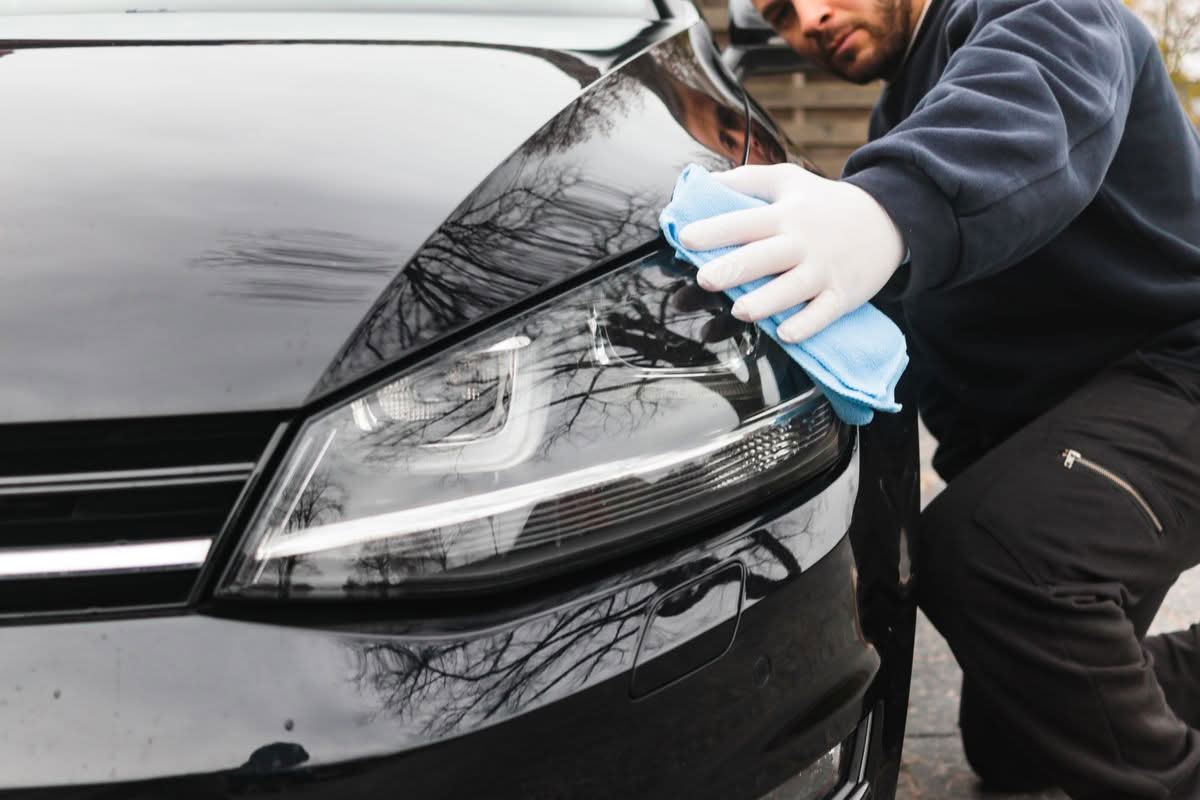
Willamette Valley drivers have backed this up directly – DR Restoration holds a 5.0-star rating across dozens of real customer reviews from Junction City, Eugene, Springfield, Corvallis, Albany, and the surrounding area. If you want an honest, experienced read on what your vehicle’s paint actually needs, call 541-714-1244 or send photos through the Photo Estimate tool.
FAQs
What makes an experienced auto paint technician different from a newer one?
An experienced technician diagnoses damage accurately before starting, matches color by instinct as well as by code, and knows when a standard approach won’t work for a specific vehicle. That judgment comes from repetition and generally results in fewer redos and a better long-term finish.
How does experience help with accurate color matching on older vehicles?
Older paint has usually faded or shifted tone unevenly from years of sun exposure, so matching it well means accounting for how much a specific panel has drifted from its original factory color, not just reading the paint code. That skill is built through years of seeing how different colors age in real conditions.
Can an experienced technician handle both minor touch-ups and larger restoration jobs?
Yes. The same diagnostic and color-matching skills that make a small touch-up disappear also apply to larger jobs like full clear coat restoration or paint correction – the scope changes, but the underlying judgment doesn’t.
Why does local experience in Willamette Valley matter for paint repair?
Oregon’s wet winters, strong summer UV, and rural road debris all affect paint differently than other climates. A technician who has worked in this specific region for years has already seen how repairs perform through real local weather, not just in general conditions.
How do I know if an auto paint service has the right level of experience for my car?
Ask specific questions about their process, request before-and-after examples of similar repairs, and pay attention to whether their answers are direct and specific rather than vague. Real experience shows in the details of how someone explains their own work.
Does more experience in auto paint restoration mean higher prices?
Not necessarily. Mobile paint touch-up and spot repairs typically run $75 to $350 regardless of provider, but experienced work is less likely to need to be redone, which often makes it the more cost-effective choice over time rather than the more expensive one.
What should I ask a paint restoration technician before hiring them?
Ask how they’ll assess the damage, how they match color to your specific vehicle, what their process looks like start to finish, and whether they can show real examples of past work. Clear, specific answers are a good sign of genuine experience.