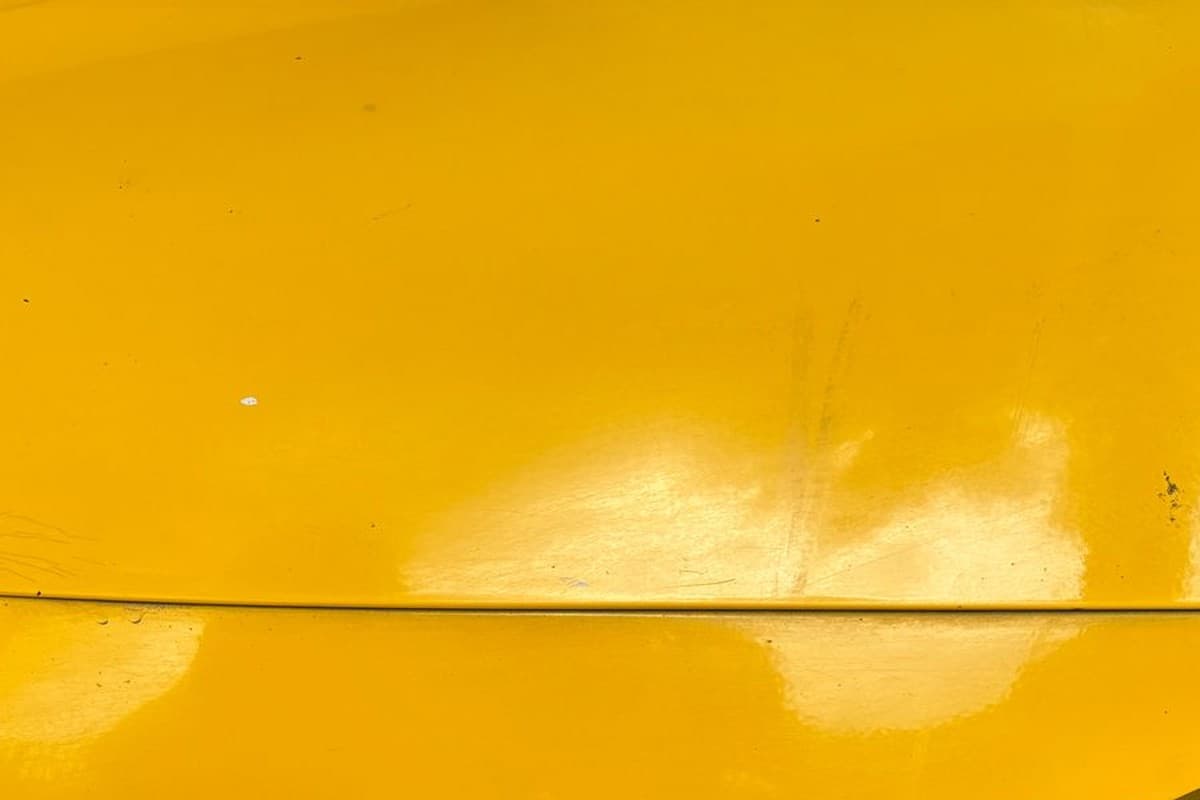


Oregon’s weather doesn’t just make driving inconvenient – it actively breaks down your car’s paint. Months of rain, a short but intense burst of summer UV, and a steady mix of road grime and agricultural runoff work together to wear through the protective layers that keep your vehicle’s finish looking new. Here’s how the Willamette Valley’s specific climate damages paint, how to spot it early, and what actually stops it.

Why Oregon’s Weather Is Uniquely Harsh on Vehicle Paint
The Willamette Valley doesn’t get one kind of weather – it gets several extremes back to back. Vehicles here spend roughly two-thirds of the year under near-constant moisture, then shift into a dry season with UV exposure intense enough to fade paint in a matter of weeks if it’s already compromised. That swing between wet and dry, cool and hot, is what makes Oregon paint damage different from what you’d see in a drier, more stable climate: the finish never gets a break long enough to just sit and age slowly. It’s constantly being pushed from one kind of stress to another.
The Role of Moisture and Rust Risk
Extended wet seasons accelerate oxidation, especially anywhere the paint already has a chip, scratch, or stone impact. Clear coat and paint are a vehicle’s only real barrier against moisture reaching bare metal, and once that barrier is broken – even in a spot the size of a pencil eraser – standing moisture from months of Willamette Valley rain has a direct path to the metal underneath. That’s why prompt repair matters more here than in drier states: a chip that might sit cosmetically unchanged for years in Arizona can start rusting within weeks of an Oregon winter.
UV Damage During Oregon Summers
Oregon summers are short, but the UV exposure during them isn’t mild. Clear coat is a polymer, and UV radiation breaks down that polymer over time, causing it to fade, chalk, and eventually separate from the base coat – a process called oxidation. Darker-colored vehicles show this fastest because they absorb more heat and light, but every color is affected eventually. The damage is gradual and often invisible at first: a slightly duller finish, a bit less depth to the color. Catching it in that early stage is what allows for a clear coat restoration instead of a full repaint later.
What Road Grime and Environmental Contaminants Do to Your Finish
Beyond weather, Willamette Valley roads put vehicles in contact with a specific mix of organic and agricultural contaminants that most other regions simply don’t have in the same concentration. These substances are chemically aggressive to clear coat, and because they’re common here year-round, they’re a bigger factor in Oregon paint damage than most drivers realize.
Tree Sap and Bird Droppings: The Hidden Paint Hazards
Tree sap and bird droppings are both acidic, and both etch into clear coat within hours – not days – especially in warm weather when the acid reacts faster. In the Willamette Valley’s tree-heavy, bird-active environment, a car parked under the wrong tree overnight can come away with permanent etching if the spot isn’t cleaned promptly. This isn’t a seasonal risk like winter road salt; it’s a year-round threat tied directly to how lush the region is.
Agricultural Chemicals and Road Spray in the Valley
The same farmland that makes the Willamette Valley productive also means vehicles regularly pick up fertilizer dust, pesticide overspray drifting from nearby fields, and muddy road spray kicked up on rural highways. These contaminants bond to the paint surface chemically, not just physically, which is why a normal wash doesn’t always remove them completely. Left on the finish, they continue reacting with the clear coat and contribute to the same oxidation and etching problems caused by tree sap and UV exposure.
How to Tell If Oregon’s Climate Has Already Damaged Your Paint
Climate-related paint damage tends to show up gradually, so most drivers don’t notice it until it’s fairly advanced. The most common signs are a dull or chalky finish that doesn’t come back with a wash, clear coat that’s peeling or hazy in patches, color that looks faded compared to less-exposed panels like door jambs, small rust spots forming around old chips, and water spot etching that doesn’t buff out. DR Restoration has assessed and repaired this exact pattern of damage across the Willamette Valley for more than 35 years, and the same handful of signs show up again and again on vehicles that spend their lives outdoors here.
Signs Your Clear Coat Is Failing
A peeling, hazy, or flaking clear coat is usually the first major sign that environmental exposure has done real damage. Clear coat is meant to be sacrificial – it’s designed to absorb UV and moisture stress so the base coat and metal underneath don’t have to. Once it starts visibly failing, though, that protection is gone, and UV rays and moisture begin attacking the base coat directly. Left untreated, this moves from a cosmetic issue to a structural one.
When Paint Chips Become a Rust Problem
Even a minor rock chip from a gravel road or rural highway can expose bare metal, and in Oregon’s wet climate, that exposed metal can start showing surface rust within weeks rather than months. A small, inexpensive touch-up repair done early stops that process before it starts. Wait too long, and what would have been a $75 fix can turn into a repair that involves cutting out rusted metal – a completely different, and far more expensive, job.
Protecting Your Car’s Paint in the Willamette Valley
Between professional services, there’s a real amount drivers can do to slow this damage down: regular washing to remove acidic contaminants before they etch, waxing for a baseline moisture barrier, parking under cover when possible during both peak UV months and heavy rain stretches, and addressing chips the moment you notice them rather than waiting for a convenient time. For drivers who don’t have time to sit at a body shop, mobile auto paint services bring the repair to a driveway or workplace parking lot instead, which removes the biggest obstacle to getting small damage fixed promptly.
Is Regular Waxing Enough Protection Against Oregon Rain?
Wax provides a real, useful barrier, but it wears off faster than most drivers expect – especially through a Willamette Valley wet season, where frequent rain and washing strip it down in a matter of weeks. Wax is maintenance, not repair: it slows new damage but does nothing to reverse clear coat that’s already oxidized or paint that’s already chipped. For finish that’s visibly dulled or hazy, professional clear coat restoration addresses the existing damage directly, rather than just protecting against future damage the way wax does.
Why Prompt Touch-Up Repairs Matter More in Wet Climates
In a dry climate, a small chip can sit for a season or two without much consequence. In Oregon, that same chip is exposed to moisture almost immediately, and the rust clock starts running right away. A touch-up addressed within days or weeks of the damage is a straightforward, inexpensive repair. The same chip left through even one wet season can require rust remediation – sanding back corroded metal, treating it, and repainting – which costs significantly more than the original repair would have.
How DR Restoration Addresses Climate-Related Paint Damage
Every issue described above – UV-faded clear coat, rain-driven oxidation, chip-to-rust progression, sap and contaminant etching – has a direct, targeted repair rather than requiring a full repaint. DR Restoration has served the Willamette Valley for over 35 years of hands-on cosmetic auto repair experience, with one dedicated technician handling every assessment and repair personally – not a rotating shop crew, and not an upsell to a bigger job than the damage actually calls for.
DR Restoration provides mobile paint touch-up, clear coat restoration, paint correction, windshield rock-chip repair, and headlight restoration throughout Junction City, Eugene, Springfield, Corvallis, Albany, Monroe, Harrisburg, Coburg, Tangent, and the surrounding Willamette Valley. Call 541-714-1244 or send photos through the Photo Estimate tool to find out what your vehicle actually needs.
Mobile Paint Services: Repair Without the Hassle
Mobile paint touch-up service comes to your home or workplace, which matters most for exactly the kind of small, climate-related damage covered here – a chip or scratch doesn’t need a multi-day shop visit, and waiting for one is often how a cheap fix turns into a rust repair. A mobile technician matches your factory paint code and completes the repair on-site, so busy Willamette Valley drivers can get ahead of climate damage without rearranging their week around it.
Clear Coat Restoration for Oregon Vehicles
Clear coat restoration is a direct reversal of the exact damage Oregon’s climate causes: UV-driven fading and moisture-driven haziness. Rather than stripping and repainting an entire panel, restoration renews the existing clear coat, bringing back both the protective barrier and the original shine. For a vehicle that’s dull or chalky but hasn’t chipped through to bare metal in multiple spots, it’s typically a faster and less expensive path back to a protected finish than a full repaint.
FAQs
Does Oregon’s rainy season actually cause paint damage, or is it mostly a myth?
It’s real, not a myth. Extended moisture exposure accelerates oxidation and, more importantly, turns any existing chip or scratch into a rust risk far faster than it would be in a drier climate. The damage is gradual, which is why it’s easy to underestimate.
How quickly can a small paint chip turn into a rust problem in the Willamette Valley’s wet climate?
Surface rust can start forming around an exposed chip within weeks during a wet stretch, especially on rural or gravel roads where the chip is more likely to reach bare metal. Addressing chips promptly is the single most effective way to avoid rust remediation later.
What are the most common signs that my car’s paint has been damaged by Oregon weather?
A dull or chalky finish that doesn’t wash out, hazy or peeling clear coat, noticeably faded color compared to protected areas like door jambs, small rust spots around old chips, and water spot etching are the most common signs.
Is waxing my car regularly enough to protect it from Oregon rain and UV exposure?
Wax helps as ongoing maintenance, but it wears off within weeks in a heavy rain season and won’t reverse damage that’s already happened. For clear coat that’s already faded or hazy, professional clear coat restoration is the repair; wax is prevention going forward.
How does agricultural spray or road runoff in the Willamette Valley affect my car’s finish?
Fertilizer dust, pesticide overspray, and muddy road spray bond chemically to the paint surface, not just physically, so they don’t always rinse off in a normal wash. Left on the finish, they contribute to the same etching and oxidation caused by UV and moisture exposure.
Can mobile auto paint services properly fix climate-related paint damage, or do I need a full body shop?
For the cosmetic damage climate exposure typically causes – chips, scratches, faded clear coat – a qualified mobile technician can match your factory paint code and repair it on-site with the same accuracy as an in-shop job. A full body shop becomes relevant mainly for structural damage, not weather-related wear.
How often should Willamette Valley drivers schedule paint touch-ups or clear coat inspections?
Check your finish at the start of each dry season and again before winter – those are the two points where UV and moisture exposure ramp up. Any new chip or scratch is worth addressing right away rather than waiting for a scheduled inspection, given how quickly Oregon’s climate can turn a small chip into a rust problem.