
Hazy, yellowed headlights are not just a cosmetic issue. Oxidized headlight lenses genuinely reduce how much light reaches the road, which matters most exactly when you need it most – driving at night or in poor weather. Here is why headlights fog over time, what that actually costs you in visibility, and what professional restoration involves.
Why Do Headlights Turn Yellow and Foggy?
Modern headlight lenses are made of polycarbonate plastic, not glass, and that plastic comes from the factory with a thin protective UV coating. Constant sun exposure gradually breaks that coating down, and once it’s gone, the bare plastic underneath oxidizes – the same basic process that yellows other plastics left outdoors for years. Road debris, chemical exposure from cleaners and road treatments, and general weather conditions all accelerate the clouding process on top of ordinary UV wear.
The Impact of Oxidation on Headlight Lenses
Once the protective coating wears away, the polycarbonate lens is directly exposed to sunlight and oxygen, and that combination is what actually degrades the plastic – not a coating that can simply be washed off. This is why a headlight that looks hazy no matter how thoroughly it’s cleaned usually has oxidation setting in beneath the surface, not just surface dirt.
How Age Affects Headlight Clarity
Older vehicles are more prone to headlight fogging simply because the UV coating has had more years to wear down. How quickly that happens varies a lot with driving conditions – a vehicle that spends most of its time parked outside in direct sun will typically show more headlight clouding at a given age than one that’s garaged most of the time.
What Are the Safety Risks of Cloudy Headlights?
Reduced visibility at night and in poor weather is the core safety concern with oxidized headlights – a hazy lens scatters and dims the light before it ever reaches the road, which is precisely the opposite of what you want in the conditions where good headlights matter most.
Reduced Light Output and Nighttime Driving Hazards
Oxidized lenses noticeably diminish how much usable light reaches the road, since the fogged plastic scatters light rather than projecting it cleanly forward. Practically, that means a harder time spotting pedestrians, animals, and road hazards at night, and less margin to react once something comes into view.
Vehicle Roadworthiness and Headlight Condition
Dim or improperly functioning headlights are the kind of thing that can draw attention during a routine traffic stop, since they affect how visible you are to other drivers as well as how well you can see. Keeping headlights clear and properly functioning is a reasonable part of general vehicle upkeep, separate from the visibility benefit itself.
Professional Headlight Restoration vs. DIY Methods
Professional restoration and store-bought kits both aim at the same problem, but the process and the durability of the results differ quite a bit.
What Does Professional Headlight Restoration Include?
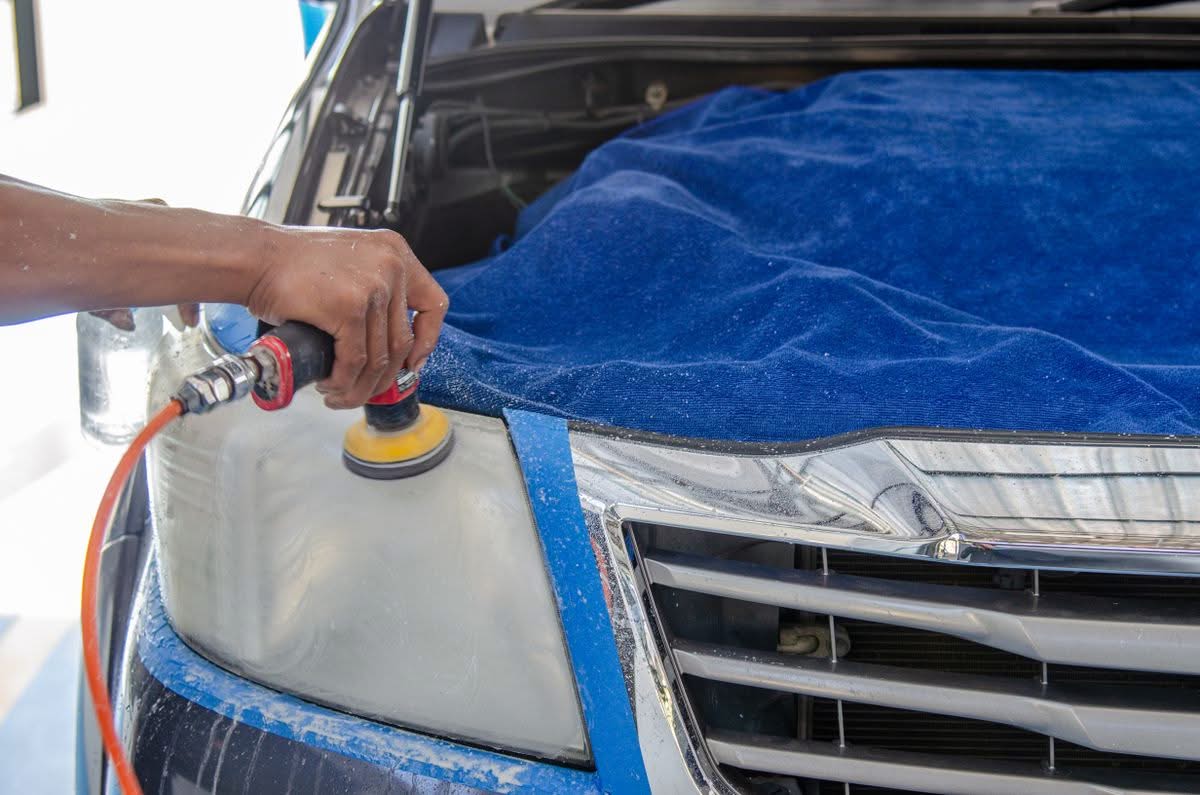
A professional restoration typically involves sanding the oxidized layer off the lens in progressively finer grits, polishing the plastic back to clarity, and finishing with a UV-protective sealant so the lens does not immediately start oxidizing again. Getting this right depends on the right sequence of abrasives and polish, plus the experience to know when a lens is properly corrected rather than just temporarily clearer.
Why DIY Kits Often Fall Short
Store-bought kits can produce a short-term improvement, but results are often temporary if the kit skips a proper UV sealant step or uses lower-grade abrasives that leave fine scratching behind. Without that protective final layer, a DIY-restored headlight can start clouding again within months rather than lasting for years.
How Long Does Headlight Restoration Last?
A properly done professional restoration, finished with a quality UV sealant, generally holds up well for a couple of years or more before needing attention again. How long it actually lasts depends on sun exposure, where the vehicle is typically parked, and how it’s cared for afterward.
Maintenance Tips to Extend Restoration Results
Washing headlights with the same gentle, non-abrasive products used on the rest of the vehicle’s paint helps protect the sealant. Parking in shade or a garage when possible slows UV exposure, and a quick visual check every few months makes it easy to catch early haziness before it becomes a full restoration job again.
When Should You Consider Headlight Replacement Instead?
Restoration works well when the damage is limited to the outer lens surface. If a lens is cracked, has moisture intrusion inside the housing, or the oxidation has gone deep enough that sanding would compromise the lens’s shape or thickness, replacement is the more sensible option. An assessment can usually tell the difference quickly.
The Cost-Effectiveness of Headlight Restoration
Restoration is worth weighing against both replacement and doing nothing – and doing nothing has a real cost too, since visibility keeps degrading the longer oxidation is left untreated.
Headlight Restoration vs. Replacement Costs
Headlight restoration on this site typically runs $75 to $350, depending on the vehicle and the extent of the oxidation. A new headlight assembly, by comparison, often costs several hundred dollars or more per side once parts and labor are factored in – more for vehicles with LED or HID assemblies that require recalibration. For a lens that’s still structurally sound, restoration is generally the far more cost-effective route.
How Restored Headlights Improve Vehicle Value
Clear headlights are one of those details that quietly shape a buyer’s first impression of a vehicle – cloudy, yellowed lenses read as neglect even when the rest of the car has been well maintained. Restoring them is a relatively small investment that measurably improves how well-kept a vehicle looks going into a sale or trade-in.
Mobile Headlight Restoration Services in Willamette Valley
Mobile restoration brings the entire process to your home or workplace, so there’s no separate trip to a shop and no waiting around for an available bay.
What to Expect from Mobile Service
A typical visit covers assessment, sanding, polishing, and sealant application in a single appointment, usually completed within a couple of hours. Dry, moderate conditions work best for the sealant to cure properly, so the technician may factor weather into scheduling.
Combining Headlight Restoration with Other Services
Headlight restoration pairs naturally with paint touch-up or detailing in the same visit, since all three address different parts of a vehicle’s overall appearance. Bundling services into one appointment is often more convenient than scheduling separate visits for each.
DR Restoration provides mobile headlight restoration, paint touch-up, and detailing throughout Junction City, Eugene, Springfield, Corvallis, Albany, Monroe, Harrisburg, Coburg, Tangent, and the surrounding Willamette Valley, with over 35 years of hands-on cosmetic repair experience behind every job. Call 541-714-1244 or send photos through the Photo Estimate tool to find out what your headlights need.
FAQs
How long does professional headlight restoration take?
Most restorations are completed in a couple of hours on-site, covering sanding, polishing, and UV sealant application in a single visit.
Can severely yellowed headlights be restored, or do they need replacement?
Most yellowed headlights respond well to restoration, even fairly severe cases, as long as the oxidation is limited to the outer lens surface. Replacement becomes the better option if the lens is cracked, has moisture inside the housing, or the plastic itself has degraded too deeply for sanding to correct.
Will headlight restoration improve my visibility enough to notice a difference?
Yes. Removing the oxidized layer restores the lens’s clarity, which directly improves how much light reaches the road – drivers typically notice a real difference in nighttime visibility after a proper restoration.
How much does headlight restoration cost compared to buying new headlights?
Restoration typically runs $75 to $350, while a new headlight assembly often costs several hundred dollars or more per side once labor is included. For lenses that are still structurally sound, restoration is usually the more cost-effective choice.
Is headlight restoration safe for all types of vehicle headlights?
Restoration works on standard polycarbonate headlight lenses, which cover the large majority of vehicles on the road. An assessment beforehand confirms whether a specific vehicle’s headlights are a good fit for restoration.
How can I prevent my headlights from becoming cloudy again after restoration?
Washing headlights with gentle, non-abrasive products, parking in shade or a garage when possible, and checking them periodically for early haziness all help extend how long a restoration lasts.
Does insurance cover headlight restoration services?
Headlight oxidation is normal wear and tear rather than damage from an accident, so it typically isn’t something comprehensive auto insurance covers. It’s a straightforward out-of-pocket service in most cases.