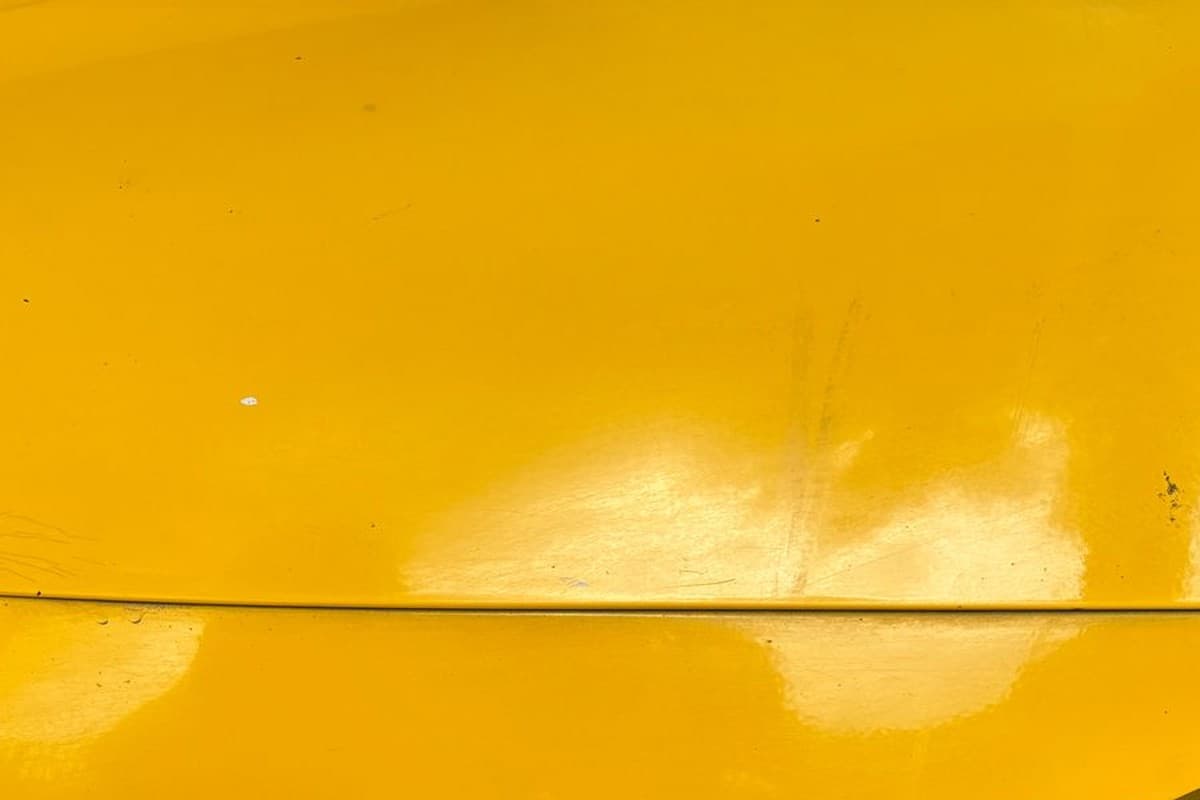
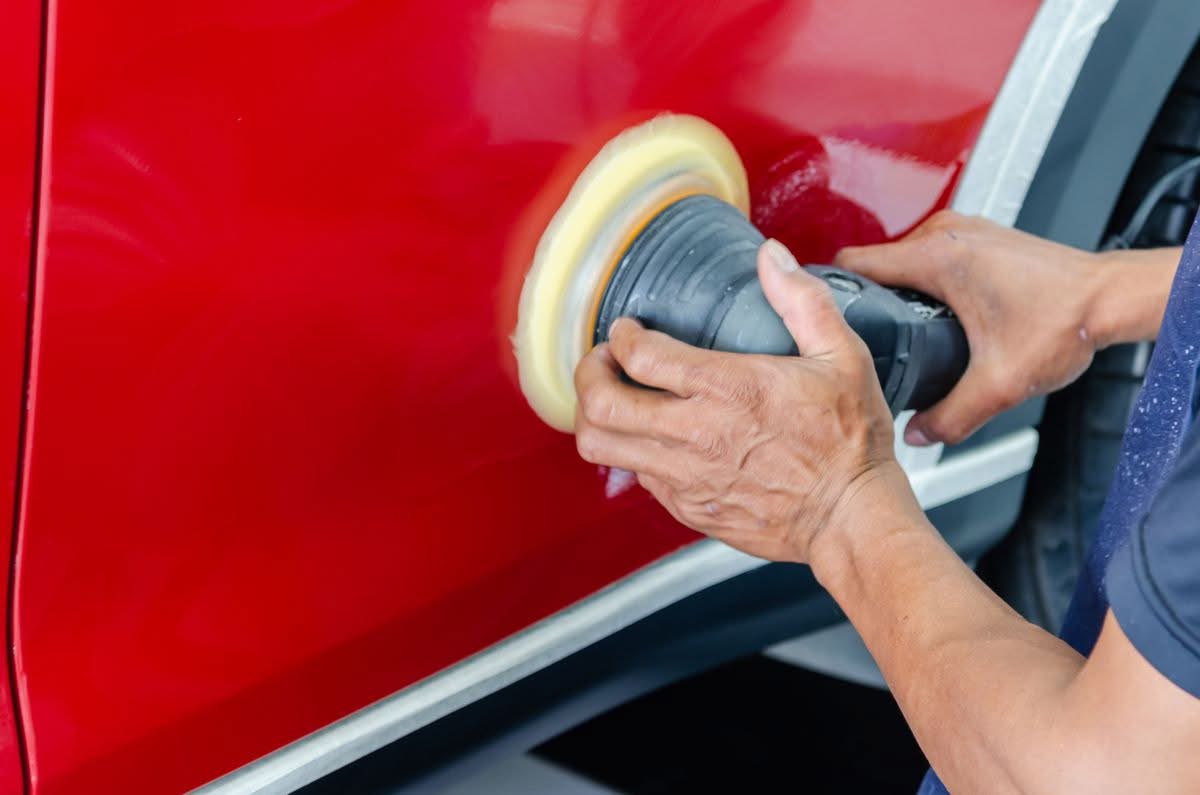

Faded, dull, or hazy paint does not always mean a car needs to be repainted. Clear coat restoration corrects and revives the existing protective clear coat through professional polishing, compounding, and protective treatments – often at a fraction of the cost and time of a full repaint. Here is how to tell whether your vehicle needs restoration, what the process actually involves, and how long the results hold up.

What Is Clear Coat and Why Does It Matter?
Clear coat is the transparent protective layer applied over your vehicle’s base paint. It is what gives the paint its shine, and it is also what shields the color coat underneath from UV rays, oxidation, and everyday environmental contaminants – road grime, tree sap, bird droppings, and general weather exposure. Understanding what the clear coat actually does makes it easier to recognize when a vehicle needs restoration versus when it needs a full repaint.
Common Signs Your Clear Coat Needs Restoration
- Fading or a dull appearance that persists even after washing
- A chalky or hazy surface texture
- Peeling or flaking in patches
- Visible oxidation or cloudy spots
- Loss of the glossy finish the paint used to have
How UV Damage Affects Your Clear Coat
Oregon’s variable weather and sun exposure gradually break down the clear coat’s protective properties over time, leading to oxidation and color fading that can make a vehicle look considerably older than it actually is. This is a slow, cumulative process – a car parked outside for years of Willamette Valley summers will typically show more clear coat wear than one that has spent more time under cover.
Clear Coat Restoration vs. Full Repaint: Which Do You Need?
Restoration corrects and revives the existing clear coat rather than removing and replacing it. It costs significantly less than a full repaint while delivering strong results for vehicles with surface-level clear coat damage – fading, haziness, light oxidation, and similar issues that have not broken through to the base paint.
When Is a Full Repaint Actually Necessary?
A full repaint becomes the more appropriate option if the clear coat has worn through completely to the base paint or primer, or if peeling has spread extensively across large panels. Most cosmetic clear coat issues, though, can be resolved through restoration rather than a repaint – a full repaint is a bigger job than most faded or hazy paint actually requires.
The Professional Clear Coat Restoration Process
- Assessment of the clear coat’s condition and the extent of the damage
- Thorough cleaning and decontamination of the affected surfaces
- Wet sanding or compounding to remove oxidation
- Multi-stage polishing to restore clarity and gloss
- Application of protective sealants or ceramic coatings
- Final inspection and quality check
Why Mobile Clear Coat Restoration Offers Convenience
Mobile service brings this entire process to your home or workplace, eliminating the need to visit a body shop, wait in line, or arrange alternative transportation while the repair happens.
How Long Does Clear Coat Restoration Last?
With proper maintenance, professional clear coat restoration can last several years, though the exact timeframe depends on environmental exposure, where the vehicle is typically parked or stored, and how consistently it is cared for afterward. Regular washing and periodic wax or sealant application extends how long the results hold up.
Protecting Your Restored Clear Coat
- Park in covered or shaded areas when possible
- Use pH-balanced car wash products
- Apply wax or sealant every few months
- Avoid automatic car washes with harsh brushes
- Address bird droppings and tree sap promptly rather than letting them sit
What to Expect From a Mobile Clear Coat Restoration Service
A mobile restoration in the Willamette Valley provides the same quality results as a traditional body shop, with the added convenience of not having to go anywhere. Expect a thorough consultation up front, transparent pricing before work begins, and completion within a few hours to a full day depending on the vehicle’s size and the extent of the damage.
Why Experience Matters in Clear Coat Work
Clear coat restoration requires specialized knowledge of paint systems, the right product selection for the specific damage, and technique that comes from years of hands-on repetition – not just the right tools. Done improperly, restoration work can cause irreversible damage to a vehicle’s finish, including burning through the clear coat entirely. DR Restoration’s technician brings over 35 years of automotive cosmetic repair experience to every restoration.
Cost Considerations for Clear Coat Restoration
Clear coat restoration typically costs a fraction of a full repaint – generally somewhere from a few hundred to around a thousand dollars, depending on the vehicle’s size and the condition of the paint. That investment protects a vehicle’s resale value and, in most cases, prevents more costly repairs down the road, since untreated clear coat damage tends to get worse rather than staying the same.
Can You DIY Clear Coat Restoration?
DIY kits exist, but professional restoration consistently delivers better and longer-lasting results. The process depends on specialized tools, professional-grade compounds and polishes, and the technique to correct the surface without burning through the clear coat – along with the experience to recognize which correction method actually fits a given situation, which is not always obvious from looking at the surface alone.
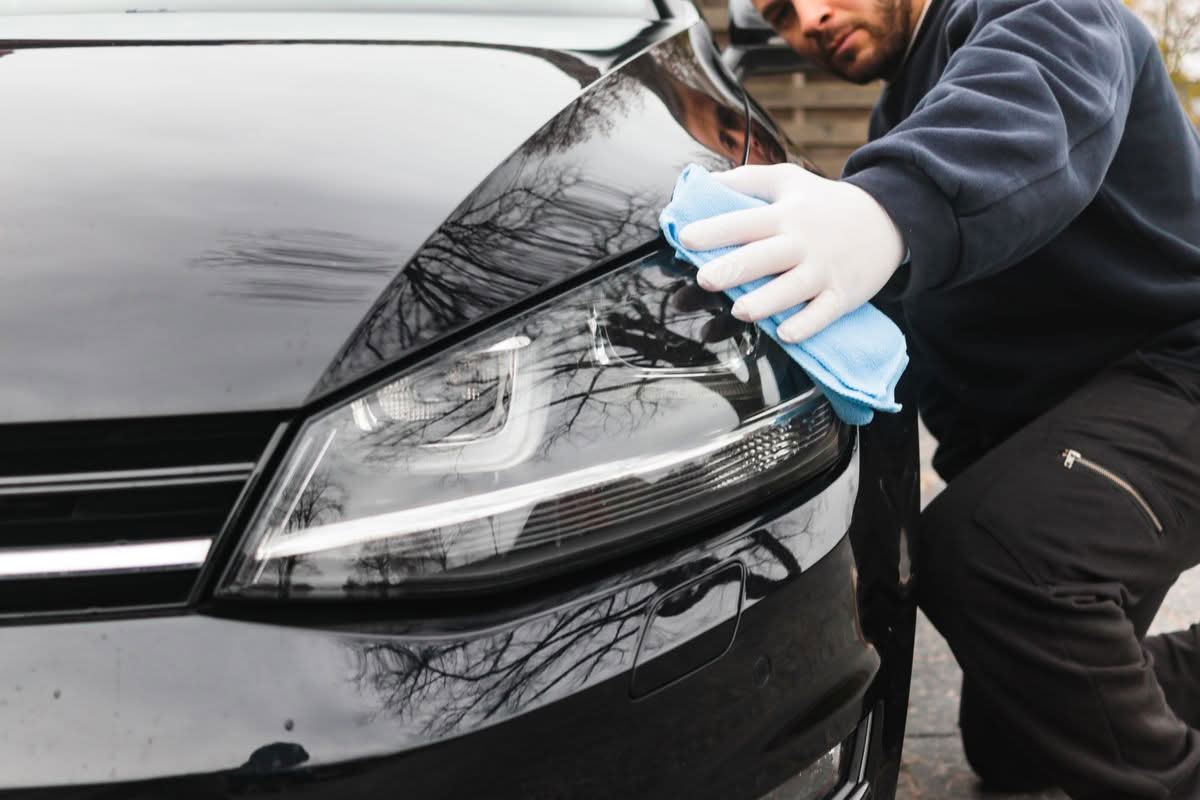
DR Restoration provides mobile clear coat restoration and paint correction throughout Junction City, Eugene, Springfield, Corvallis, Albany, Monroe, Harrisburg, Coburg, Tangent, and the surrounding Willamette Valley. Call 541-714-1244 or send photos through the Photo Estimate tool to find out whether your vehicle’s paint needs restoration, a full repaint, or something else entirely.
FAQs
How do I know if my car needs clear coat restoration or just a good detailing?
If a wash and detail bring the shine back, the paint is likely just dirty. If dullness, haziness, or fading persists after washing, that usually points to actual clear coat wear that a detail alone cannot fix, and restoration is the more appropriate service.
What causes clear coat to fade and peel over time?
UV exposure is the main driver – sun breaks down the clear coat’s protective properties over time, leading to oxidation and fading. Environmental contaminants like road grime, tree sap, and bird droppings, along with harsh automatic car washes, can accelerate the process.
How long does the clear coat restoration process take?
Most mobile restorations are completed within a few hours to a full day, depending on the vehicle’s size and how extensive the damage is.
Will clear coat restoration fix deep scratches in my vehicle’s paint?
Restoration addresses surface-level clear coat issues like fading, haziness, and light oxidation. Deeper scratches that have cut through the clear coat into the base paint typically need paint touch-up rather than restoration alone – an evaluation can determine which applies.
Is clear coat restoration worth it for an older vehicle?
Often, yes – restoration costs a fraction of a full repaint and can meaningfully improve an older vehicle’s appearance and resale value, as long as the clear coat hasn’t worn through completely. An assessment is the best way to know whether an older vehicle’s paint will respond well to restoration.
Can clear coat damage spread if left untreated?
Yes. Once the clear coat starts breaking down in one area, the surrounding paint typically loses its protection too, and issues like peeling and oxidation tend to get worse rather than stay contained. Addressing it earlier generally means a smaller, less expensive job.
What’s the difference between polishing and clear coat restoration?
Polishing is often one step within a full restoration, not a replacement for it. Restoration is the complete process – assessment, decontamination, compounding or wet sanding, multi-stage polishing, and a protective sealant or coating – while polishing alone addresses surface shine without necessarily correcting deeper oxidation or haziness.