

Got a little chip or scratch on your car’s paint? You might be wondering if touching it up is really worth the effort, or if it’s just a cosmetic thing. The short answer is yes, automotive paint touch-up offers a surprising number of benefits that go beyond just making your ride look a bit nicer. It’s a practical step that can save you money and hassle down the line.

Protection Against the Elements: More Than Just Skin Deep
Think of your car’s paint not just as a pretty color, but as a protective shield. It’s the first line of defense against all sorts of environmental nasties. When that shield gets compromised, even with a small chip, it opens the door for bigger problems.
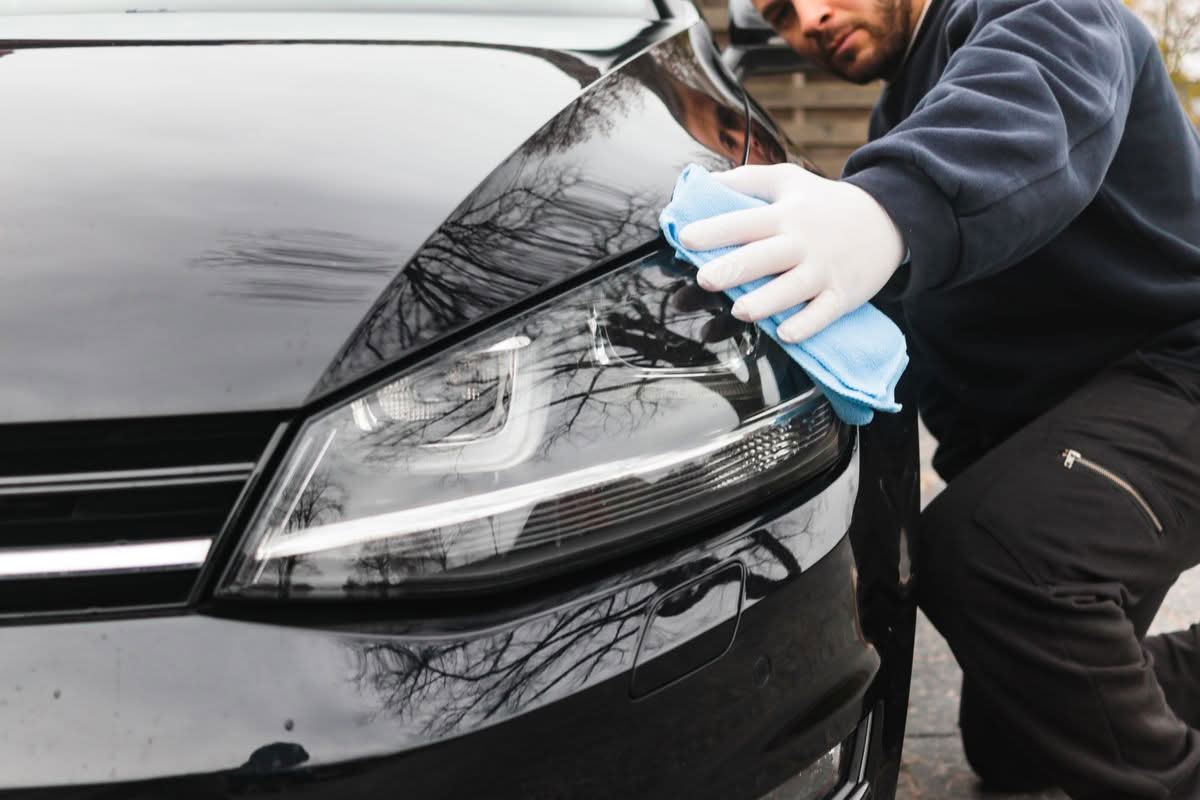
If you’re interested in learning more about the advantages of automotive paint touch-up, you might find this article on the benefits of professional auto detailing particularly insightful. It discusses how maintaining your vehicle’s exterior not only enhances its appearance but also protects its value over time. For more information, you can read the article here: Benefits of Automotive Paint Touch Up.
Preventing Rust: The Silent Killer
This is probably the most significant benefit, especially if you live in an area with a lot of rain, snow, or are near the coast.
How Chips Lead to Rust
When your car’s paint is damaged, the bare metal underneath is exposed. This exposed metal is vulnerable to moisture and oxygen. Even a tiny scratch can act like a gateway for water to seep in.
The Speed of Corrosion
Rust doesn’t usually appear overnight, but it can develop surprisingly quickly once the protective layer is gone. What starts as a small speck of rust can spread and eat away at the metal, weakening the body of your car.
The Cost of Ignoring Rust
Trying to repair significant rust damage later on is a much more involved and expensive process than a simple touch-up. It often requires cutting out rusted sections and welding in new metal, along with extensive repainting.
Maintaining Resale Value: A Smart Investment
Whether you plan to sell your car soon or in a few years, its condition significantly impacts how much you can get for it. Minor paint imperfections can really drag down its perceived value.
First Impressions Matter
When a potential buyer sees a car with chips and scratches, they often assume the rest of the vehicle might have been neglected. It’s easy to see a pristine paint job as an indicator of overall good maintenance.
Avoiding Price Reductions
Even if the car is mechanically sound, significant paint damage can lead buyers to offer a lower price because they’ll factor in the cost of repairs they’ll have to do.
What Buyers Look For
Buyers are looking for a car that looks well-cared-for. Touch-up paint, when done neatly, can make a noticeable difference in how the car presents itself, leading to a smoother sale and a better price.
Easy and Affordable Maintenance: DIY at Its Best
One of the great things about automotive paint touch-up is just how accessible it is. You don’t need to be a professional detailer to get decent results.
The Simplicity of Touch-Up Kits
Most auto parts stores and even online retailers offer touch-up paint kits. These typically come with a small bottle of color-matched paint and a brush or applicator. Some even include a clear coat for extra protection.
Cost-Effectiveness Compared to Professional Repairs
Getting a single chip or scratch professionally repaired can be surprisingly expensive. Shops often have minimum charges that make small jobs uneconomical. A DIY touch-up kit is a fraction of that cost.
Time Savings
You can often tackle a few small touch-ups during a weekend afternoon. This is far quicker than booking an appointment at a body shop and waiting for the work to be done.
Automotive paint touch-up is an essential service that can significantly enhance the appearance and longevity of your vehicle. By addressing minor scratches and chips promptly, you can prevent further damage and maintain your car’s value. For those interested in learning more about the advantages of maintaining your vehicle’s exterior, you can explore a related article on the topic at Dr. Restoration. This resource provides valuable insights into the benefits of automotive restoration and how touch-up services can play a crucial role in preserving your car’s aesthetic appeal.
Preventing Further Damage: A Proactive Approach
Beyond rust, there are other ways a small paint imperfection can lead to bigger headaches if left unaddressed.
Protecting Against UV Rays
Your car’s paint is designed to protect the metal from UV damage. When the paint is chipped, the underlying layers, and eventually the metal, are more exposed to the sun’s harsh rays.
Avoiding Paint Peeling and Blistering
In some cases, moisture and UV exposure can cause the surrounding paint to start peeling or blistering. What was once a small, isolated chip can turn into a larger, more unsightly area of damage.
Imperfections Expanding
Over time, vibrations from driving, temperature fluctuations, and even washing the car can cause small chips to expand. A touch-up can effectively seal the area and prevent this gradual worsening.
Enhancing the Aesthetic Appeal: A Polished Look
While we’re focusing on practical benefits, let’s not entirely discount the visual aspect. A car that looks good makes you feel good.
Restoring that “New Car” Feel
Even on an older car, fixing those little chips and scratches can bring back a sense of pride and care. It’s about maintaining the vehicle’s appearance, making it more enjoyable to drive and to look at.
Clean Lines and Smooth Surfaces
Scratches and chips disrupt the clean lines and smooth surfaces of a car’s body. Touch-up paint helps to restore that seamless look, especially on prominent areas like the hood, doors, and fenders.
Small Details, Big Impact
For many car owners, the aesthetic appeal is important. Keeping up with these small details contributes to the overall presentation of the vehicle, making it a more pleasing sight.
How to Actually Do the Touch-Up: A Practical Guide
Okay, so you’re convinced touch-up is a good idea. Now, how do you go about it without making it look worse? It’s about patience and a systematic approach.
Getting the Right Color Match
This is non-negotiable. Your car has a unique paint code, usually found on a sticker in the driver’s side door jamb or under the hood. Use this code to get the exact match. If you’re unsure, consult your car’s manual or a dealership.
Gathering Your Supplies
Beyond the paint itself, you’ll need:
- Rubbing alcohol or a degreaser: To clean the area thoroughly.
- Clay bar (optional but recommended): To remove embedded contaminants.
- Fine-grit sandpaper (e.g., 2000-grit): For very minor smoothing if needed.
- Microfiber cloths: Plenty of them.
- Wax and grease remover: For final prep.
- Clear coat pen/bottle: To seal and protect.
- Gloves: To keep your hands clean and avoid transferring oils.
Preparing the Surface: The Crucial Step
This is where most DIY touch-ups go wrong.
Cleaning the Area
Wash the area around the chip thoroughly to remove dirt and debris. Then, use rubbing alcohol or a degreaser to ensure it’s completely clean and free of any wax or oils.
Inspecting the Chip
Look closely. Is it just paint damage, or has the metal been dented? If there’s a significant dent, touch-up paint alone won’t fix it. If the metal is exposed and potentially rusty, you’ll need to address that first.
Removing Loose Paint
If there are any flaking or loose bits of paint around the chip, gently remove them with a toothpick or a very fine pick. You want a clean edge for the new paint to adhere to.
Applying the Paint: Precision Over Speed
This is where you’ll need a steady hand.
Thin Coats are Key
Don’t try to fill the chip in one thick go. Apply very thin layers of paint. Let each coat dry thoroughly before applying the next. This is how you build up the color and depth without creating an uneven blob.
Using the Applicator
Most touch-up pens have a fine tip. If using a small brush, aim for precision. Dab the paint into the chip, trying to avoid getting too much on the surrounding good paint.
Building Up Layers
You might need several thin coats to get the color level with the surrounding paint. Be patient. The goal is to fill the chip gradually.
Applying the Clear Coat: The Finishing Touch
Once the color coats are dry and level, it’s time for the clear coat.
Protecting the New Paint
The clear coat protects the touch-up paint and helps to blend it in with the surrounding finish. Apply it in thin layers, just like the color coat.
Blending and Protection
This layer adds shine and provides a protective barrier against the elements, further reinforcing the benefits we discussed earlier.
The “Wet Sanding” Technique (Advanced)
For a truly seamless look, some people use a technique called “wet sanding” after the clear coat has fully cured (this can take 24-48 hours).
Using Extremely Fine Grit Sandpaper
This involves using incredibly fine-grit sandpaper (3000-grit or higher) with water to gently level the painted area. The idea is to make the touch-up paint perfectly flush with the surrounding original paint.
Requires Extreme Caution
This step is optional and requires a very light touch and understanding of what you’re doing, as it’s easy to damage the surrounding paint if done incorrectly. It’s best to practice on an inconspicuous area or skip this if you’re not confident.
What to Expect: Realistic Outcomes and Limitations
Automotive paint touch-up is fantastic for what it is, but it’s important to have realistic expectations.
Small Chips and Scratches
It’s ideal for minor imperfections. Think door dings, small rock chips, or light scratches that haven’t gone too deep into the primer or metal.
Not a Miracle Cure
It won’t make a heavily damaged panel look brand new. Deep gouges, large areas of rust, or significant body damage require professional bodywork.
Technique Matters for Appearance
A careful, patient application will result in a much better visual outcome than a hurried one. You can make small chips virtually disappear, but a poorly applied touch-up can sometimes be more noticeable than the original flaw.
When Professional Help Might Be Better
While DIY touch-up is great for many situations, there are times when you might want to leave it to the pros.
Extensive Damage
If you have multiple chips, deep scratches, or areas of rust that are spreading, it’s likely time to consult a professional auto body shop.
Desiring a Flawless Finish
If your priority is an absolutely perfect, factory-like finish on a high-value vehicle, a professional detailer or body shop will have the tools, experience, and products to achieve that.
Complex Paint Jobs
Some cars have special paint finishes, like metallic, pearl, or matte, which can be trickier to match and apply successfully as a DIY project.
Safety Concerns
If the paint damage has affected the structural integrity of the body panel (though this is rare with minor chips), it’s a safety issue that needs professional assessment.
Long-Term Benefits: A Well-Maintained Vehicle
The cumulative effect of regularly addressing minor paint damage is what really highlights the benefits of automotive paint touch-up.
Consistent Protection
By consistently patching up small vulnerabilities, you’re ensuring that your car’s protective coating remains as intact as possible over time. This means continuous defense against the elements.
Reduced Need for Major Repairs
Many of the costly repairs in the automotive world stem from small issues that were allowed to fester. By taking proactive steps with touch-up paint, you can significantly reduce the likelihood of facing larger, more expensive problems down the road.
Pride of Ownership
Ultimately, maintaining your car’s appearance contributes to your overall satisfaction with owning it. A car that looks well-kept is more enjoyable to drive and reflects positively on its owner. It’s a simple way to show you care about your investment.

Permalink
Permalink
Permalink
Permalink
Permalink
Permalink
Permalink
Permalink
Permalink
Permalink