
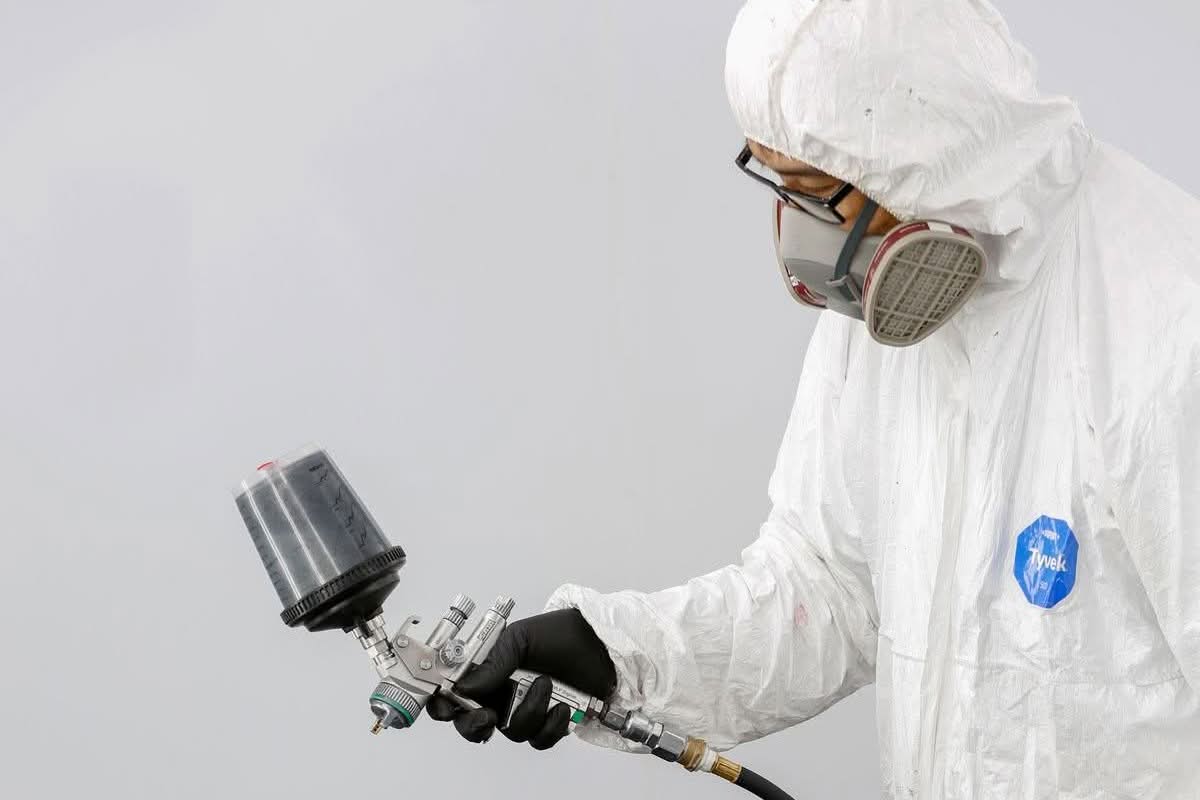

Touching up car paint can be a bit daunting, but it’s totally achievable at home if you approach it correctly. The key is to understand that it’s more about careful preparation and application than brute force. We’re going to dive into some common blunders people make when trying to fix those chips and scratches themselves, and how you can sidestep them for a much better result.

This is probably the biggest mistake people make, and it sets you up for failure before you even open the paint bottle. Think of it like cooking – you wouldn’t just throw ingredients into a pan without washing them first, right? Same principle applies here.
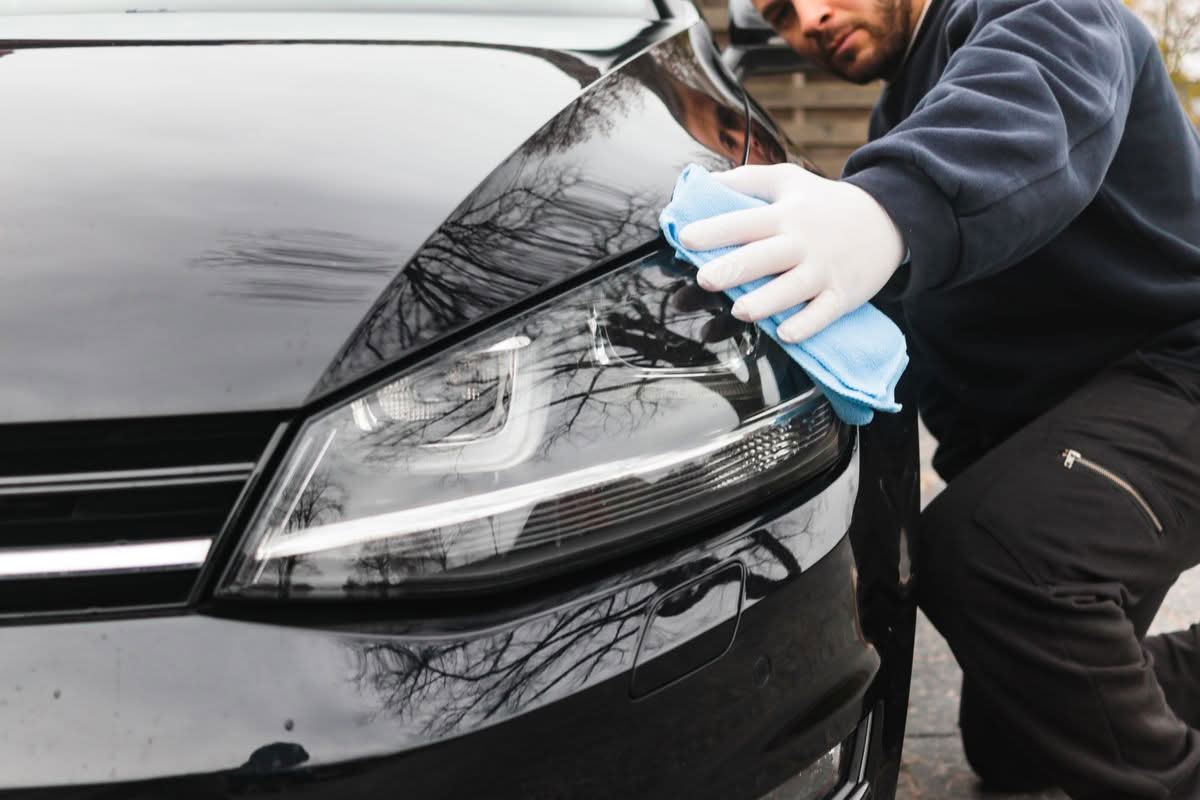
Not Cleaning the Area Thoroughly
Before you do anything else, the damaged area (and a good few inches around it) needs to be spotless. We’re talking more than just a quick wipe.
- Road Grime and Dust: Use car soap and water. Get a dedicated wash mitt, not your kitchen sponge, and make sure it’s clean too. Rinse thoroughly.
- Wax and Polishes: Even if you can’t see them, these need to go. They’ll prevent the new paint from adhering properly. An automotive wax and grease remover is your best friend here. Apply it to a microfiber cloth and gently wipe the area, then switch to a clean part of the cloth to buff dry. Don’t use household cleaners; they can strip your clear coat or leave residues.
- Rust: This is a big one. If there’s any rust forming, you absolutely have to remove it completely. Use a fine-grit sandpaper (around 400-600 grit) and carefully sand away the rust until you see bare metal. If the rust is deep, you might need a rust converter product. Skipping this means the rust will just bubble up under your new paint later.
Forgoing Sanding (Even for Small Chips)
Even tiny chips can have raised edges or rough spots.
- Feathering the Edges: For chips, a very fine-grit sandpaper (1500-2000 grit wet/dry) can help feather the edges of the chip down, making the transition to the bare paint smoother. This prevents a noticeable ridge once the new paint is applied. Use it wet – dip the sandpaper in a small amount of soapy water.
- Improving Adhesion: For deeper scratches or areas where you’ve removed rust, a light scuffing with 800-1000 grit sandpaper will give the primer or base coat something to “grip” onto.
Not Taping Off Properly
Unless you’re a robot with perfect aim, you’re going to get paint where you don’t want it.
- Masking Tape: Use automotive masking tape, not household painter’s tape. Automotive tape is designed to be more resistant to bleeding and won’t leave sticky residue on your car’s finish.
- Protection: Mask off a generous area around the repair. You’re not just protecting the clean paint; you’re also creating a well-defined boundary for your application. This is especially crucial if you’re using a spray can for primer or clear coat, as overspray can travel.
When it comes to enhancing the appearance of your vehicle, avoiding common mistakes in automotive paint touch-ups is crucial for achieving a professional finish. For those interested in learning more about convenient options for mobile car touch-ups, a related article can provide valuable insights. You can read more about it in this article on mobile car touch-up services: Convenient Mobile Car Touch-Up Near Me. This resource will help you understand how to effectively manage paint repairs without compromising quality.
Choosing the Wrong Products
The world of automotive paint can feel overwhelming, but using the correct products for the job is non-negotiable for a professional-looking repair.
Guessing Your Paint Code
This is a rookie mistake that can lead to a noticeable color mismatch.
- Locating the Code: Your car’s paint code isn’t a secret. It’s usually on a sticker inside the driver’s side door jamb, under the hood, or in the glove box. Consult your owner’s manual if you can’t find it. It’s often a series of letters and numbers.
- Online Resources: Once you have the code, you can use online resources or your dealership’s parts department to ensure you’re getting the exact match for your car’s make, model, and year. Different manufacturers use the same color names but have slightly different formulations.
- Touch-Up Paint vs. Aerosol: For small chips and scratches, a touch-up pen or brush bottle is often sufficient. For larger areas or deeper damage, an aerosol can might be better, but requires more careful masking and blending.
Skipping Primer
Primer isn’t just an extra step; it’s a foundational layer.
- Adhesion: Primer gives the base coat something solid to bond to, especially if you’ve sanded down to bare metal or plastic.
- Corrosion Protection: Automotive primer often contains properties to resist rust and corrosion, further protecting your metal panels.
- Even Surface: Primer helps to fill in minor imperfections and create a uniform surface for the color coat, ensuring a consistent final appearance. It also helps to prevent the topcoat from soaking into the raw material unevenly.
Forgetting Clear Coat
Many people stop at the color coat, thinking the job is done. This is a big mistake.
- Protection: The clear coat is the sacrificial layer that protects your color coat from UV rays, environmental contaminants, and minor abrasions. Without it, your paint will fade quickly and be susceptible to damage.
- Gloss and Depth: Clear coat gives your paint that deep, glossy finish that makes it look new. Without it, the color will appear dull and flat.
- Matching Finish: Most modern car paints have a clear coat, and skipping it on your touch-up will make it stand out.
Improper Application Techniques
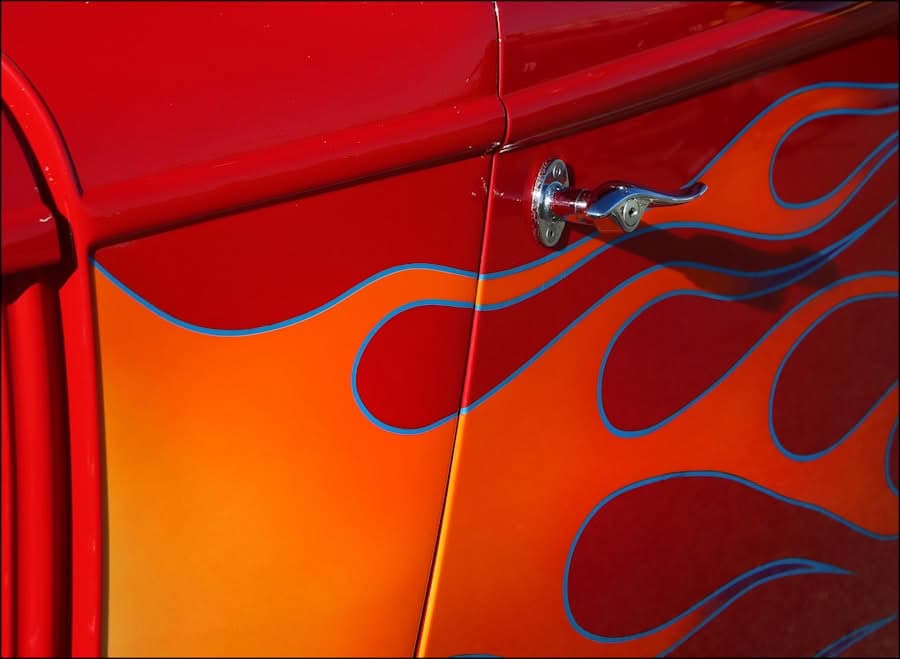
Even with the right products and thorough prep, poor application can ruin the whole effort. This is where patience and a light touch come in handy.
Applying Too Much Paint at Once
This is probably the most common error in application.
- Thick Coats: Thick coats of paint take forever to dry, are prone to drips and runs, and will look uneven and lumpy. They also make the repair much more noticeable.
- Thin Layers: The key is multiple thin coats. Apply a very thin layer, let it flash (partially dry to the touch, usually 10-15 minutes depending on temperature and humidity), and then apply another thin layer. This builds up the color gradually and smoothly.
- Feathering: For scratches, try to keep the paint application within the scratch itself. For chips, start in the center and build outward. Avoid painting a large patch around the affected area.
Not Allowing Proper Drying Time Between Coats
Patience is a virtue, especially when painting.
- Flash Time: As mentioned, paint needs “flash time” between coats. This isn’t full drying, but enough time for solvents to evaporate so you don’t disturb the previous layer when applying the next.
- Cure Time: Beyond flash time, the entire repair needs to cure. This is when the paint hardens and reaches its full durability. This can take anywhere from 24 hours to several days for touch-up paint, and even longer for clear coat. Rushing this can lead to peeling, scratching, or dullness. Refer to the product instructions for specific drying and cure times.
- Temperature and Humidity: These factors significantly impact drying time. Painting in direct sunlight, extreme cold, or high humidity can lead to issues like bubbling, cracking, or slow drying. Aim for a moderate, dry environment.
Over-Sanding or Under-Sanding
Sanding is crucial, but getting it wrong can be detrimental.
- Too Aggressive: Using too coarse a grit or applying too much pressure can remove too much surrounding paint or even damage the clear coat or primer you just applied. This means more work to fix your fix.
- Not Enough: If you don’t sand enough (especially after the clear coat application), you won’t get a smooth, blended finish. You’ll have a noticeable ridge or texture.
- Wet Sanding: For leveling out high spots or blending clear coat, always wet sand with very fine grit sandpaper (2000-3000 grit) using light pressure and plenty of soapy water as a lubricant. This helps prevent scratches and keeps the sandpaper from clogging.
Ignoring Blending and Finishing
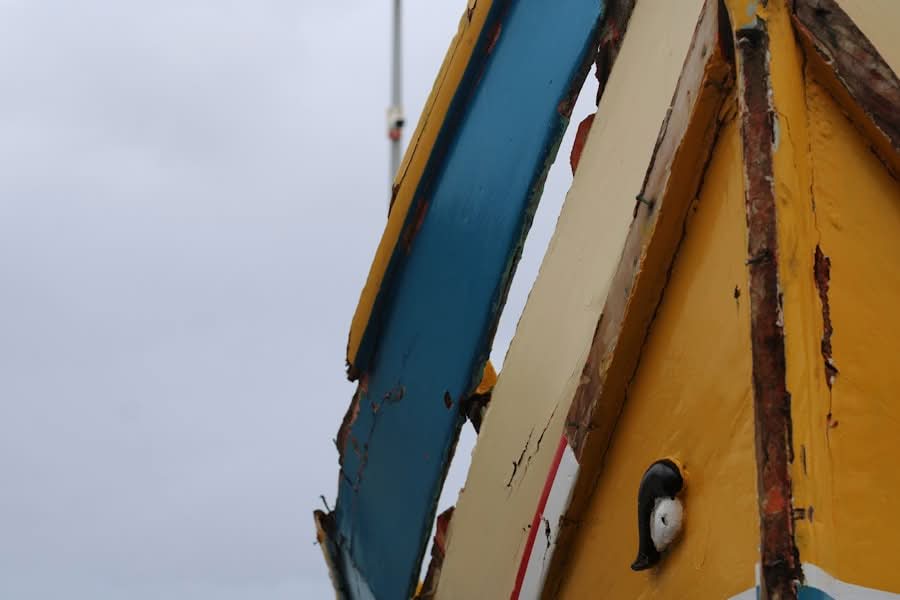
A perfect color match and smooth application won’t matter if the repair still looks like a sticker on your car. The finishing stages are about making the repair disappear.
Skipping Clear Coat Leveling
Even with careful application, a touch-up can leave a raised bump of clear coat.
- Wet Sanding Clear Coat: Once your clear coat has fully cured (this is critical – wait the specified time, often 24-48 hours), you can use very fine wet-sanding paper (2000-3000 grit) to carefully level the clear coat with the surrounding factory finish. Use a small foam sanding block to keep pressure even and prevent digging into the paint.
- Progressive Grits: If the clear coat is significantly high, you might start with 1500 or 2000 grit, then move to 2500, and finally 3000 grit for a super smooth finish. Always keep the area wet.
Not Polishing and Buffing
This is the step that brings back the shine and makes the repair virtually invisible.
- Removing Haze: After wet sanding, the area will look dull and hazy. This is normal. A good automotive rubbing compound (sometimes called “cutting compound”) is designed to abrade away those super fine sanding scratches and start bringing back the shine.
- Step-by-Step Polishing: Start with a cutting compound on a foam applicator pad (or polishing machine on a very low speed) and work it into the repair area. Then, move to a finer polish to remove any swirl marks left by the compound and enhance the gloss. Finish with an ultra-fine finishing polish.
- Microfiber Cloths: Always use clean, soft microfiber cloths for applying and removing compounds and polishes.
Rushing the Final Wax
You’ve done all that work, don’t mess it up at the last hurdle.
- Allow Full Cure: While you can usually polish after a few days, it’s best to wait a week or two before applying wax over a freshly repaired area. This gives the paint ample time to fully cure and outgas any remaining solvents. Applying wax too early can trap solvents and prevent proper hardening.
- Protection and Shine: Once fully cured, apply a high-quality car wax or sealant to protect your newly repaired paintwork and blend it seamlessly with the rest of your car’s finish.
When it comes to enhancing the appearance of your vehicle, understanding the common mistakes to avoid when touching up automotive paint can make a significant difference in the final result. For those looking to delve deeper into the world of automotive restoration, you might find the article on automotive restoration techniques particularly insightful. This resource offers valuable tips and guidance that can help you achieve a professional finish while steering clear of common pitfalls.
Not Understanding Limitations
<?xml encoding=”UTF-8″>
| Mistake | Impact | Prevention |
|---|---|---|
| Not cleaning the surface properly | Uneven paint adhesion and finish | Thoroughly wash and dry the surface before touching up |
| Skipping primer application | Poor paint adhesion and durability | Always apply a primer before touching up the paint |
| Using incorrect paint color | Mismatched or uneven color | Ensure to use the exact color match for the vehicle |
| Applying too much paint | Runs, drips, and uneven texture | Apply thin, even coats and allow proper drying time |
| Not protecting surrounding areas | Accidental overspray and damage to adjacent surfaces | Mask off and protect surrounding areas before painting |
Sometimes, a DIY touch-up isn’t the right solution. Recognizing when to call in the professionals will save you time, money, and frustration.
Attempting Repairs Beyond Your Skill Level
Be realistic about what you can achieve.
- Deep Dents: If the damage involves a deep dent where the metal is significantly deformed, touch-up paint won’t fix the dent itself. It might cover the scratch, but the underlying body damage will still be visible. This requires bodywork before painting.
- Large Areas of Damage: Trying to respray an entire panel or a large section with aerosol cans is incredibly difficult to do well. Achieving a consistent finish, avoiding overspray, and blending seamlessly requires professional equipment and expertise.
- Complex Colors: Some colors, like metallics or pearls, are much harder to match and apply evenly than solid colors. The orientation of the metallic flakes can change the appearance of the color, and getting it right usually requires a spray gun and skilled technique.
Ignoring Environmental Factors
Your garage isn’t a professional spray booth, and that’s okay, but you need to be mindful of its limitations.
- Temperature Extremes: Painting when it’s too hot can cause paint to dry too quickly, leading to poor adhesion or an uneven finish. Too cold, and it may not dry properly at all, leading to runs or a dull finish. Aim for moderate temperatures, usually between 60-80°F (15-27°C).
- Humidity: High humidity can slow drying times and even cause hazing or blushing in your paint finish. Low humidity can cause paint to dry too fast.
- Dust and Debris: This is a huge factor. Even a seemingly clean garage can have dust lurking that will settle on wet paint. Try to work in as clean and still an environment as possible. Misting the floor with water before you start painting can help temporarily settle dust.
Expecting Perfection
A DIY touch-up is about improvement, not factory perfection.
- Realistic Expectations: For small chips and scratches, a good touch-up can make them much less noticeable, protecting the area from rust and preserving the car’s appearance. It’s unlikely to be 100% invisible, especially upon close inspection.
- Professional Results: If you want a truly invisible repair, free of any texture or color variation, a professional body shop with their specialized equipment, environment, and expertise is usually the only way to go. They can blend paint into surrounding panels and achieve a factory-like finish.
By being mindful of these common pitfalls, you can significantly improve your chances of a successful and satisfying touch-up paint job, keeping your car looking good and protected from further damage.

Permalink
Permalink
Permalink
Permalink
Permalink
Permalink
Permalink
Permalink
Permalink
Permalink
Permalink
Permalink