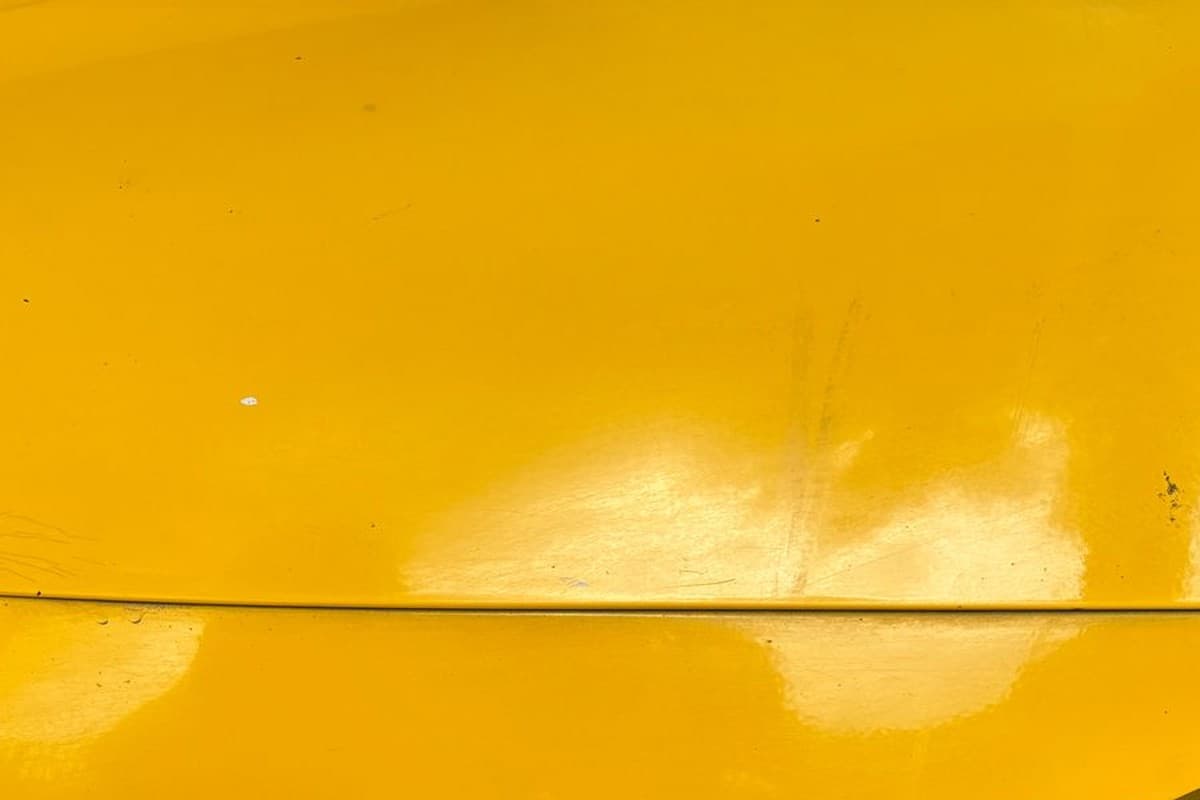

Paint chips � often caused by rock chips kicked up from the road � are a significant concern for vehicle owners, as they can lead to extensive damage to a car’s exterior over time. When paint is chipped, the underlying metal becomes exposed to environmental elements, potentially causing rust and corrosion. This not only affects the vehicle’s appearance but can also decrease its resale value and result in costly repairs.

Paint chips can serve as initiation points for rust, which may spread rapidly and cause further damage to the car’s body. Moreover, paint chips can impact a vehicle’s aerodynamics. Even minor exterior damage can disrupt airflow around the car, potentially reducing fuel efficiency and overall performance.
This may lead to increased fuel consumption and a diminished driving experience. Understanding the importance of preventing paint chips is crucial for maintaining a vehicle’s exterior, preserving its appearance, and ensuring optimal performance in the long term.
Key Takeaways
- Rock chip and paint chip prevention is important to maintain the appearance and value of your car
- Choosing the right protective coating can help prevent paint chips and scratches
- Safe driving practices, such as avoiding tailgating and driving on gravel roads, can help prevent paint chips
- Regular maintenance, including touch-up paint and rust prevention, can help prevent paint chips
- Properly washing and waxing your car can provide an additional layer of protection against paint chips and scratches
Choosing the Right Protective Coating for Your Car
Clear Bra: A Durable but Expensive Option
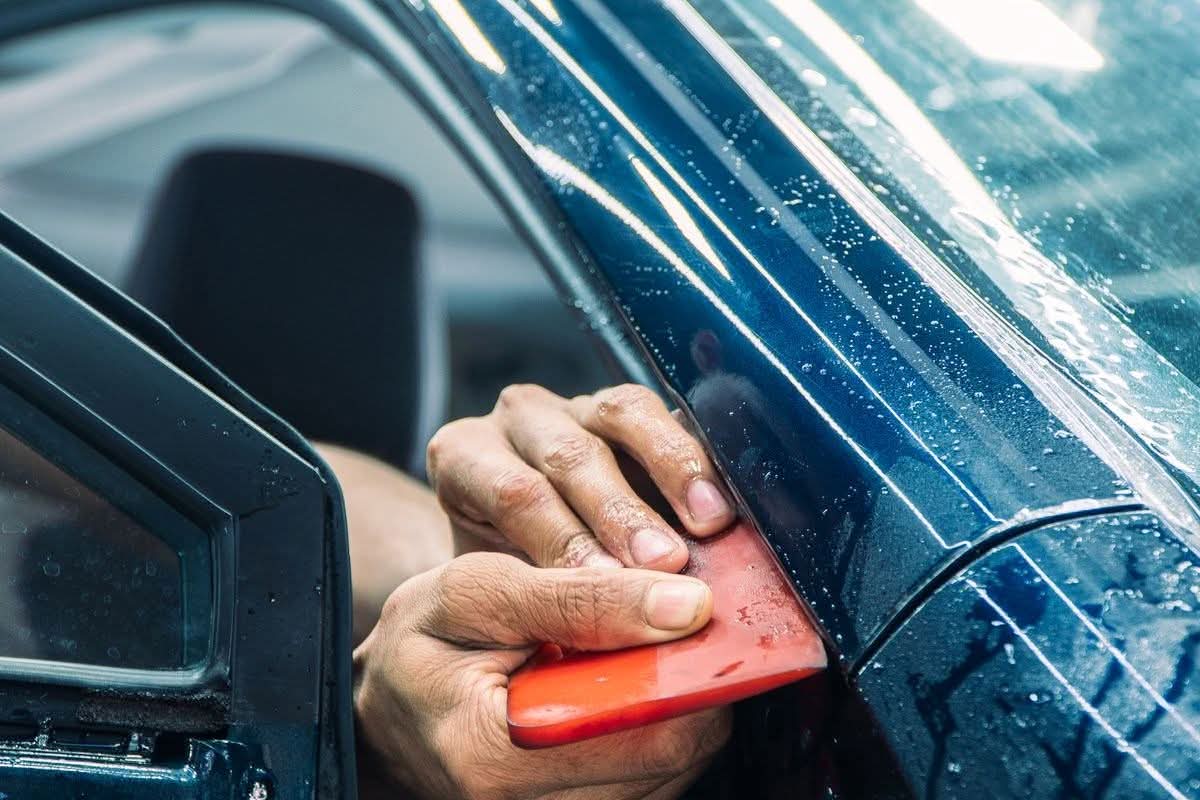
When it comes to protecting your car’s paint from chips, choosing the right protective coating is crucial. One popular choice is a clear bra, a transparent film applied to the front of the car to protect it from rock chips, bug splatter, and other debris. Clear bras are durable and provide excellent protection, but they can be expensive to install and may require professional maintenance.
Ceramic Coating: A Long-Lasting and Glossy Option
Another option is ceramic coating, a liquid polymer that bonds with the paint on your car to create a protective layer. Ceramic coatings are highly durable and provide long-lasting protection against paint chips, UV rays, and environmental contaminants. They also offer a glossy finish that enhances the appearance of your car. However, ceramic coatings can be expensive and may require professional application.
Budget-Friendly Waxing: A Basic but Effective Solution
For those looking for a more budget-friendly option, waxing your car regularly can also provide some protection against paint chips. While wax won’t offer the same level of durability as clear bras or ceramic coatings, it can still help to repel water and debris, reducing the risk of paint damage. Ultimately, the right protective coating for your car will depend on your budget, driving habits, and desired level of protection.
Tips for Safe Driving to Avoid Rock Chips and Paint Damage
Safe driving habits can also play a significant role in preventing rock chips on your car. One of the most effective ways to avoid a rock chip is to maintain a safe following distance from other vehicles, especially on highways and roads with loose gravel or debris. This will give you more time to react if a rock or other object is kicked up by another vehicle, reducing the likelihood of it hitting your car’s exterior.
Additionally, avoiding tailgating and driving at excessive speeds can also help minimize the risk of paint chips. When you drive at high speeds, your car is more likely to come into contact with debris on the road, increasing the chances of paint damage. By maintaining a safe and steady speed, you can reduce the risk of encountering hazardous road conditions that could lead to paint chips.
Furthermore, being mindful of road construction areas and gravel roads can also help prevent paint chips. These areas are more likely to have loose rocks and debris that can cause damage to your car’s exterior. By being aware of these conditions and adjusting your driving accordingly, you can minimize the risk of paint chips and keep your car looking its best.
Regular Maintenance to Prevent Paint Chips
| Regular Maintenance to Prevent Paint Chips |
|---|
| Wash the car regularly to remove dirt and debris |
| Apply a coat of wax to protect the paint |
| Use touch-up paint to fix small chips before they spread |
| Avoid driving too closely behind other vehicles |
| Consider installing paint protection film |
Regular maintenance is essential for preventing paint chips on your car. This includes keeping up with routine inspections and repairs to ensure that your car’s exterior is in good condition. One important aspect of maintenance is checking for any signs of rust or corrosion on your car’s body.
If you notice any areas where the paint has chipped or flaked off, it’s important to address these issues as soon as possible to prevent further damage. In addition to addressing existing paint chips, keeping your car clean and free of debris can also help prevent new damage from occurring. Regularly washing your car to remove dirt, grime, and other contaminants can help protect the paint from wear and tear.
Additionally, using a protective wax or sealant can provide an extra layer of defense against environmental factors that can lead to paint damage. Furthermore, inspecting your car’s tires and brakes can also help prevent paint chips. Worn or damaged tires can kick up rocks and debris onto your car’s exterior, while malfunctioning brakes can cause excessive dust and debris buildup that can lead to paint damage.
By keeping up with regular maintenance and addressing any issues promptly, you can help protect your car from paint chips and maintain its appearance for years to come.
How to Properly Wash and Wax Your Car for Protection
Properly washing and waxing your car is essential for protecting its exterior from paint chips. When washing your car, it’s important to use a gentle soap and a soft sponge or microfiber cloth to avoid scratching the paint. Be sure to rinse thoroughly to remove all soap residue, as leftover soap can cause damage to the paint over time.
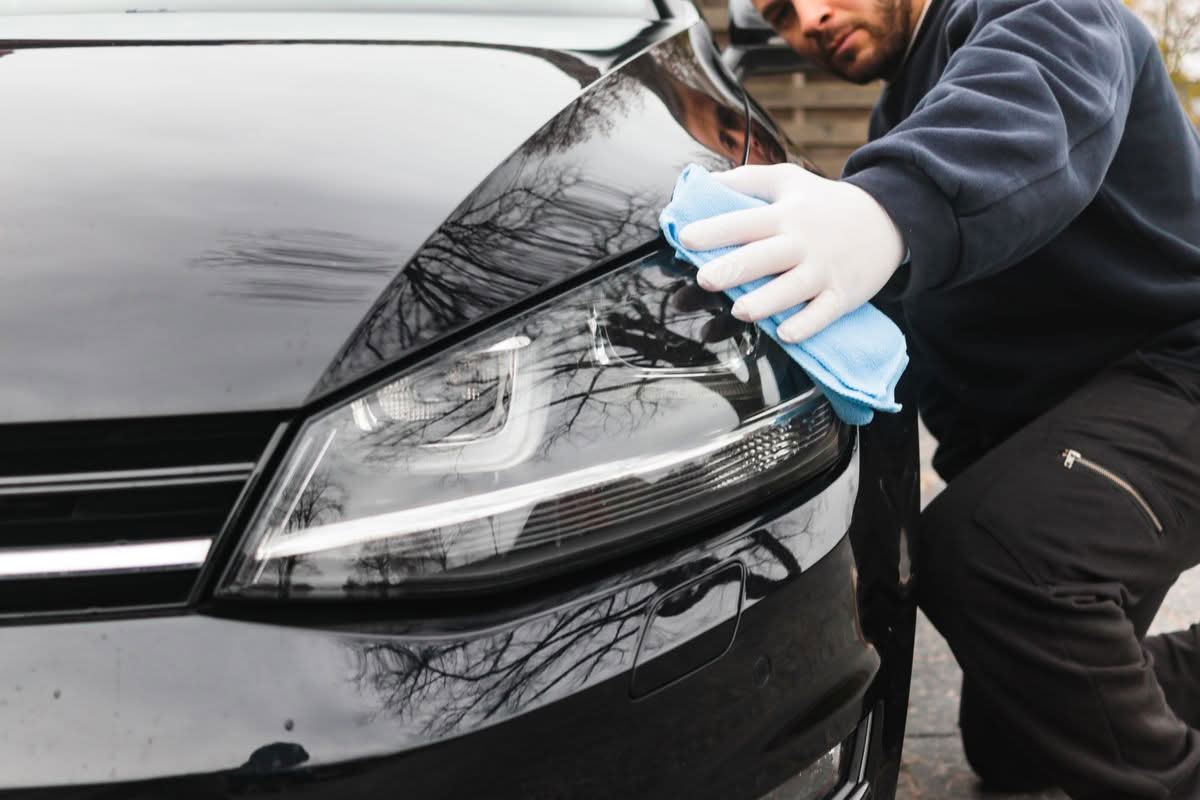
Additionally, drying your car with a clean microfiber towel can help prevent water spots and mineral deposits that can lead to paint damage. After washing your car, applying a protective wax or sealant can provide an extra layer of defense against paint chips. Waxing your car regularly can help repel water, dirt, and debris, reducing the risk of damage to the paint.
There are several types of wax available, including spray-on waxes, paste waxes, and liquid waxes, each with its own application method and level of protection. Choosing the right wax for your car will depend on your specific needs and preferences. In addition to washing and waxing, using a detailing spray or quick detailer between washes can help maintain the protective layer on your car’s exterior.
These products are designed to remove light dirt and contaminants while adding shine and protection to the paint. By incorporating proper washing and waxing techniques into your regular car care routine, you can help prevent paint chips and keep your car looking its best.
Repairing Paint Chips and Scratches
Addressing Minor Paint Damage
Despite taking preventive measures, it’s still possible for your car to sustain paint chips and scratches over time. When this happens, it’s important to address these issues promptly to prevent further damage. One option for repairing minor paint damage is using touch-up paint that matches your car’s color. Touch-up paint can be applied directly to the affected area using a small brush or pen applicator, helping to fill in the chip or scratch and protect the underlying metal from exposure.
When Professional Repair is Necessary
For more extensive damage, such as deep scratches or large paint chips, professional repair may be necessary. This can involve sanding down the damaged area, applying primer and matching paint, and finishing with a clear coat for protection. Professional repair services have the expertise and tools needed to restore your car’s exterior to its original condition and prevent further deterioration.
Seeking Professional Assistance
In some cases, it may be necessary to seek professional assistance for repairing paint chips and scratches. Professional auto body shops have the expertise and equipment needed to assess the extent of the damage and provide effective solutions for restoring your car’s exterior.
Maintaining Your Car’s Value
By addressing paint damage promptly and using the right repair methods, you can maintain the appearance and value of your car for years to come.
Long-Term Strategies for Protecting Your Car’s Exterior
In addition to regular maintenance and preventive measures, there are several long-term strategies for protecting your car’s exterior from paint chips. One effective approach is investing in a quality car cover that provides protection from environmental factors such as UV rays, rain, snow, and debris. A car cover can help shield your car from potential damage while it’s parked outdoors or in a garage.
Another long-term strategy is parking in a covered or shaded area whenever possible. Direct sunlight can cause fading and deterioration of the paint over time, while exposure to harsh weather conditions can lead to premature wear and tear. By parking in a covered or shaded area, you can help protect your car’s exterior from these damaging factors.
Furthermore, applying a ceramic coating or clear bra to your car’s exterior can provide long-lasting protection against paint chips and other forms of damage. These protective coatings create a durable barrier between your car’s paint and environmental contaminants, helping to maintain its appearance and value over time. By incorporating these long-term strategies into your car care routine, you can help protect your car’s exterior from paint chips and maintain its appearance for years to come.
Whether it’s investing in protective coatings, practicing safe driving habits, or addressing minor damage promptly, taking proactive steps to prevent paint chips will help preserve the beauty and value of your vehicle for the long term.
Already dealing with a rock chip or two? DR Restoration has spent over 35 years helping Willamette Valley drivers repair and protect their paint, backed by a 5.0-star rating across real customer reviews. Call 541-714-1244 or send photos through the Photo Estimate tool, or learn more about paint touch-up and clear coat restoration.
FAQs
What causes paint chips on a car?
Paint chips on a car are most often rock chips caused by road debris, gravel, rocks, and other small objects that can hit the car while driving. Environmental factors such as exposure to sunlight, rain, and snow can also contribute to paint chipping over time.
How can I prevent paint chips on my car?
To prevent paint chips on your car, you can consider applying a protective film or coating to vulnerable areas such as the front bumper, hood, and side mirrors. Additionally, maintaining a safe distance from other vehicles on the road and avoiding driving on gravel or unpaved roads can help minimize the risk of paint chips.
Can paint chips lead to rust on a car?
Yes, paint chips can lead to rust on a car if they are not addressed promptly. When the paint is chipped, the metal underneath is exposed to moisture and air, which can lead to the formation of rust. It is important to repair paint chips as soon as possible to prevent rust from spreading and causing further damage to the car’s body.
How can I repair paint chips on my car?
You can repair paint chips on your car by using touch-up paint that matches the color of your car. Clean the area around the chip, apply the touch-up paint, and then seal it with a clear coat to protect the repair. For larger or more extensive paint damage, it may be best to consult a professional auto body shop for repairs.
Is it important to repair paint chips on a car?
Yes, it is important to repair paint chips on a car to prevent further damage and maintain the appearance and value of the vehicle. Ignoring paint chips can lead to rust and corrosion, which can be costly to repair and decrease the resale value of the car. Regularly addressing paint chips can help preserve the overall condition of the car.