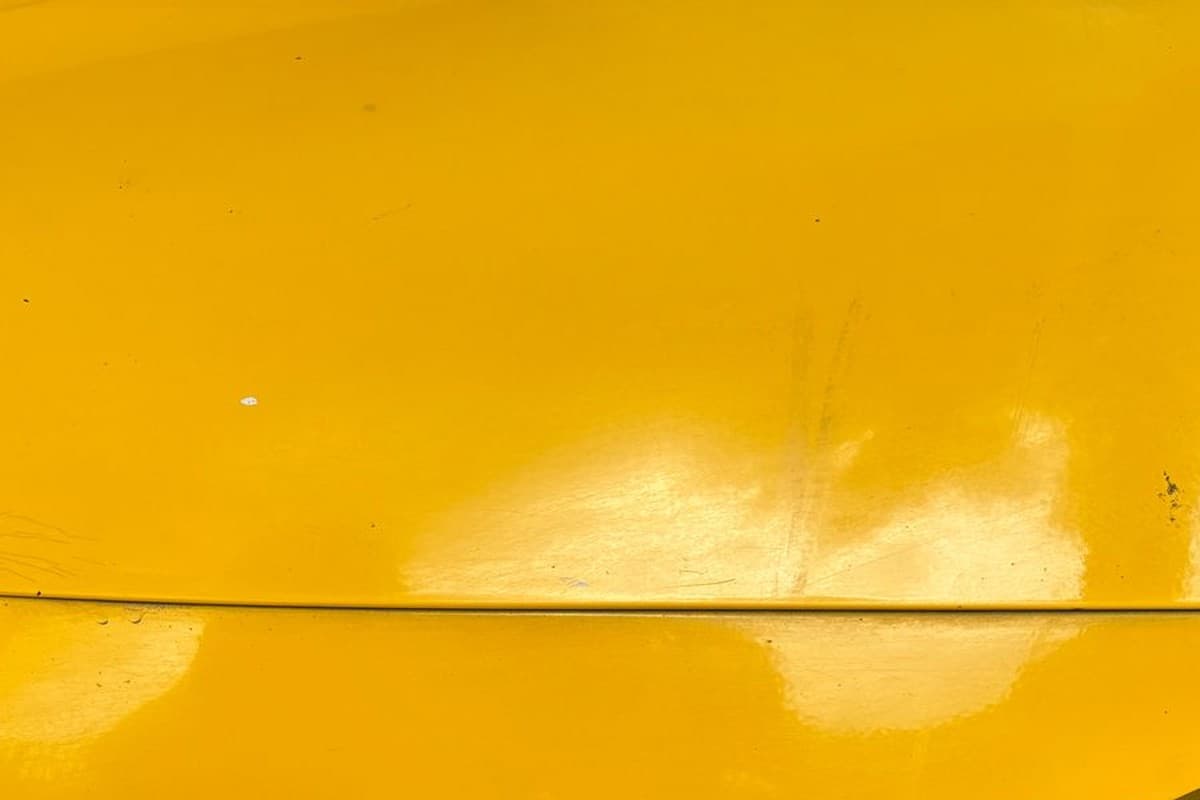
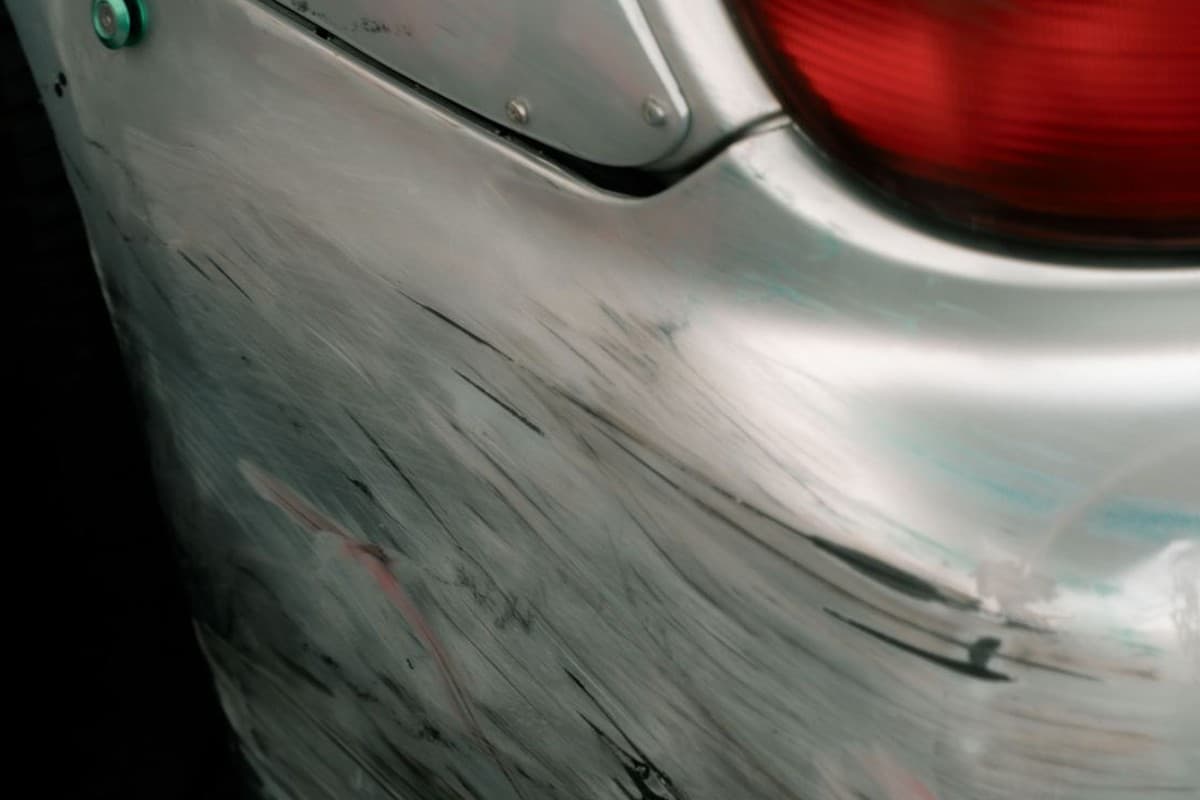

Got a bumper scuff or a scraped panel and wondering what it actually takes to fix it? In most cases you have three real options: a DIY touch-up kit, professional mobile paint repair, or in rare cases full panel replacement – and which one makes sense depends entirely on how deep the damage goes, not just how bad it looks. Here’s how to tell the difference and what each path realistically involves.

What Counts as Bumper or Panel Damage?
Bumper and panel damage covers everything from a light scuff mark left by a parking curb to a deeper scrape that’s gouged through the paint and primer. Drivers often assume any mark on a bumper is purely cosmetic, but the depth of the damage – not the size of the mark – is what determines whether it’s a quick touch-up or something that needs closer inspection.
Surface Scuffs vs. Structural Damage: What’s the Difference?
A surface scuff is cosmetic: paint transfer, scraped clear coat, or shallow scratches that haven’t deformed the panel underneath. Structural damage is different – cracks in the bumper cover, dents that have distorted the panel’s shape, or misaligned gaps between panels – and that calls for a body shop, not a paint repair. If you can run a fingernail across the mark and feel a smooth surface with no dent or crack, you’re almost certainly looking at cosmetic damage a technician like Mitch can address with paint touch-up. For a closer look at telling scratches and dents apart, see our cosmetic scratch and dent repair guide.
Common Causes of Bumper and Panel Damage in Willamette Valley
Tight parking lots in Eugene and Springfield, roadside gravel kicked up on rural stretches around Junction City and Monroe, and shopping cart contact in grocery store lots account for most of the bumper scuffs we see. Oregon’s wet road conditions add another layer – grit and debris stick to tires and get flung onto lower panels more aggressively during the rainy months than in a drier climate. None of these causes are avoidable with normal driving, which is part of why bumper scuffs are one of the most common cosmetic issues Willamette Valley drivers deal with.
What Are Your Main Repair Options for Bumper Scuffs?
Once you’ve confirmed the damage is cosmetic, you generally have two realistic paths: a DIY touch-up kit, or a professional mobile paint repair visit. The right choice comes down to how deep the scuff goes and how closely the color needs to match the surrounding panel.
Can You Fix Bumper Scuffs Yourself?
DIY touch-up kits and rubbing compounds can genuinely help with very light paint transfer or surface haze, and they’re worth trying first on truly minor marks. Where they fall short is anything that’s scraped through the clear coat into the base color – off-the-shelf touch-up paint rarely matches factory color precisely, and a hand-applied fix without proper blending tends to leave a visible patch rather than a seamless repair. If a DIY attempt doesn’t fully resolve the mark, that’s usually the sign the damage needs a color-matched professional repair rather than a second coat of the same product.
When Is Professional Paint Touch-Up the Right Call?
Professional paint touch-up is the right call once a scuff has gone past the clear coat, covers a noticeable area, or sits somewhere highly visible like a front bumper corner. A trained technician can color-match to your car’s actual paint code, blend the repair into the surrounding factory finish, and apply clear coat that bonds and protects the way the original does – something a touch-up pen simply isn’t built to do. It’s also the more cost-effective option in almost every case compared to a full repaint or body shop estimate, since it targets just the damaged area instead of the whole panel.
How Mobile Auto Paint Repair Works for Panel Damage
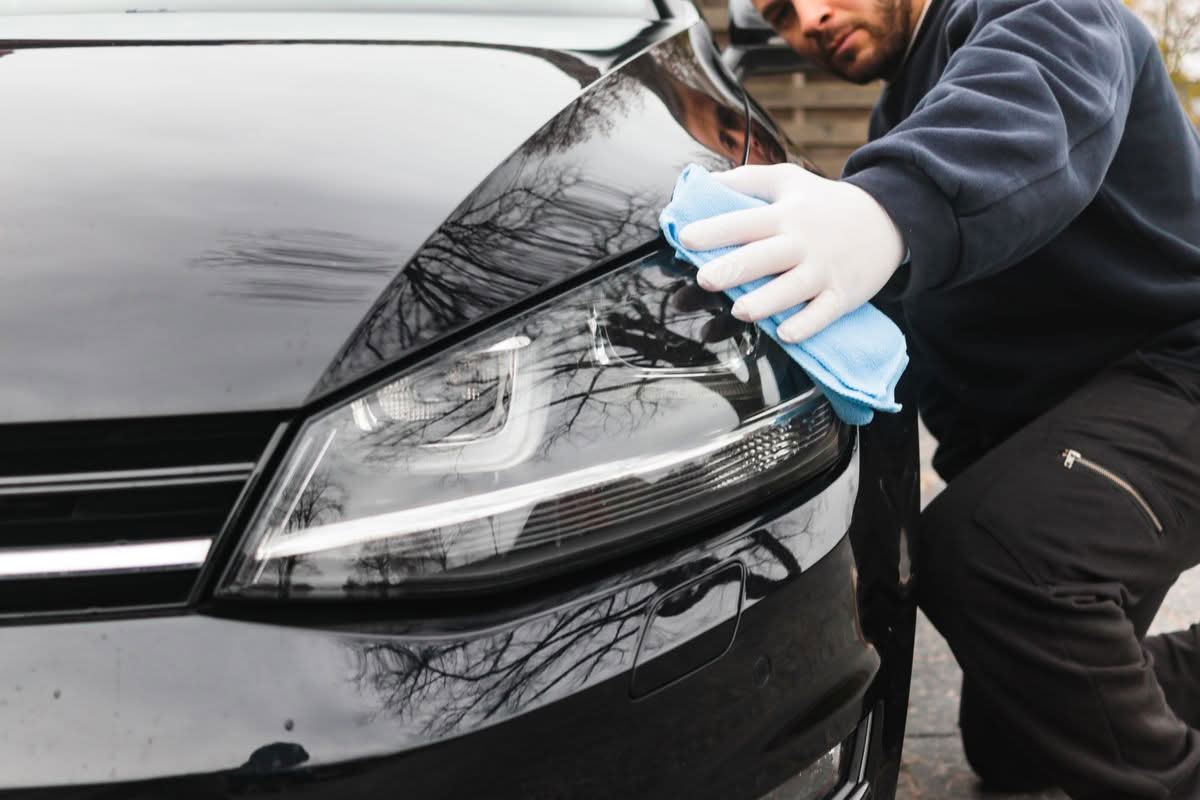
Mobile auto paint repair brings the entire process to your home or workplace, so bumper and panel touch-ups don’t require dropping your car off anywhere or arranging a rental. DR Restoration’s mobile auto paint repair service uses the same professional-grade tools and materials you’d find in a shop, just without the shop.
What Does a Mobile Panel Repair Visit Actually Look Like?
A mobile panel repair visit starts with an in-person assessment of how deep the damage goes and how large an area needs attention. From there, the technician cleans and preps the panel, matches and mixes the paint to your vehicle’s exact color code, applies the repair in controlled layers, blends the edges into the surrounding factory paint, and finishes with clear coat – all done on-site while you go about your day.
How Long Does Bumper and Panel Touch-Up Repair Take?
Most bumper scuff and panel touch-up appointments wrap up in a matter of hours, not days. That’s a sharp contrast to a traditional body shop repair, which often means leaving your car for several days and arranging alternate transportation. For anything beyond a single contained area, the technician can give you a more specific time estimate during the initial assessment.
Will Paint Touch-Up Really Match My Car’s Color?
Yes, when it’s done professionally – color accuracy comes down to using your vehicle’s specific factory paint code, not eyeballing a close shade from a shelf. A trained technician also accounts for how your car’s existing paint has faded or aged over time, since factory-fresh paint and five-year-old sun-exposed paint don’t look identical even with the same code. Blending the edges of the repair into the surrounding panel, rather than stopping at a hard line, is what makes the finished result disappear into the rest of the car instead of standing out as an obvious patch.
Bumper and Panel Repair vs. Full Panel Replacement: Which Is Better?
For the vast majority of scuffs and surface scrapes, targeted repair is both faster and significantly less expensive than full panel replacement. Replacement only makes sense when the panel itself is cracked, structurally deformed, or damaged across such a wide area that a blended repair isn’t practical – situations that go beyond cosmetic paint work into body shop territory. If you’re trying to figure out which category your specific damage falls into, our repair or replace decision guide walks through the key factors in more detail.
How Ignoring Small Scuffs Can Cost You More Later
A bumper scuff that looks purely cosmetic today can turn into a bigger problem if it’s left alone, especially in a climate like Oregon’s. Once a scuff has broken through the clear coat, the exposed paint and primer are more vulnerable to moisture, and Oregon’s wet winters accelerate that kind of damage compared to a drier climate. Beyond the risk of rust forming underneath, visible scuffs and faded panel patches also drag down resale value – a car that looks well-maintained simply commands more at trade-in or private sale than one with obvious, unaddressed cosmetic damage.
Why Willamette Valley Drivers Trust Experienced Auto Paint Specialists
DR Restoration has spent over 35 years diagnosing and repairing exactly this kind of cosmetic damage for Willamette Valley drivers, with one dedicated technician handling every job rather than rotating staff. That experience matters most in color matching and blending – the two steps where a repair either disappears into the factory finish or stands out as an obvious patch. It’s also reflected in the results: DR Restoration holds a 5.0-star rating across real customer reviews from drivers across Junction City, Eugene, Springfield, Corvallis, and the surrounding area.
If you’re not sure whether your bumper or panel damage is a quick touch-up or something more involved, that’s exactly what a quick assessment is for. Call 541-714-1244 or send photos through the Photo Estimate tool, or learn more about paint touch-up, paint correction, and mobile auto paint repair.
FAQs
What is the difference between a bumper scuff and a deep scratch?
A bumper scuff is typically surface-level paint transfer or clear coat scraping that hasn’t reached the base color underneath. A deep scratch cuts through the clear coat and color layer, exposing primer or bare plastic/metal, which needs color-matched repair rather than a simple polish.
Can a mobile paint technician fix bumper scuffs at my home or workplace?
Yes. Mobile paint repair is well-suited to contained bumper and panel scuffs – the technician brings professional-grade tools and color-matched paint directly to your location, so there’s no need to drop the car off anywhere.
How do I know if my bumper damage needs touch-up repair or full replacement?
If the panel itself is still intact – no cracks, dents, or misaligned gaps – touch-up repair is almost always sufficient. Replacement only becomes necessary when the panel is structurally damaged or cracked beyond what a blended paint repair can address.
Will a paint touch-up on my panel look as good as a full respray?
For contained scuffs and scrapes, yes – a professional technician blends the repair into the surrounding factory paint so it doesn’t stand out as a visible patch. A full respray is only necessary when damage is spread across multiple panels or the surrounding paint has faded too unevenly for a small-area match.
How much does bumper scuff and panel repair typically cost?
Cost depends on the size and depth of the damage, but targeted touch-up repair is consistently less expensive than full panel replacement or a body shop repaint. The most accurate way to get a cost picture is a quick assessment, which DR Restoration offers through its Photo Estimate tool or a phone call.
Does paint touch-up repair help protect against rust in Oregon’s wet climate?
Yes. Sealing exposed primer or metal with properly applied paint and clear coat closes off the entry point moisture would otherwise use to start rust, which is especially relevant given how much rain the Willamette Valley sees across fall and winter.
How soon after getting a scuff should I have it repaired?
As soon as reasonably convenient. A scuff that’s only cosmetic today can worsen with continued exposure to moisture and road grime, so addressing it sooner keeps the repair simple and avoids the risk of rust taking hold underneath.