
How do you protect your car’s paint when you live somewhere it rains eight months out of the year? In the Willamette Valley, the answer starts with understanding what’s actually working against your finish. What damages car paint most in Oregon is a one-two combination: near-constant winter moisture and road grime that accelerate oxidation and rust, paired with intense summer UV exposure that fades color and breaks down clear coat. DR Restoration has spent over 35 years doing hands-on cosmetic auto repair in this exact climate, and the same handful of habits come up again and again in what separates a car that still looks new at 80,000 miles from one that doesn’t.

Why Car Paint Maintenance Matters More Than You Think
Paint isn’t just cosmetic – it’s the barrier standing between your car’s metal panels and everything Oregon weather throws at them. Once that barrier is compromised, even briefly, moisture gets underneath it, and the damage stops being a surface problem.
The Real Cost of Ignoring Paint Damage
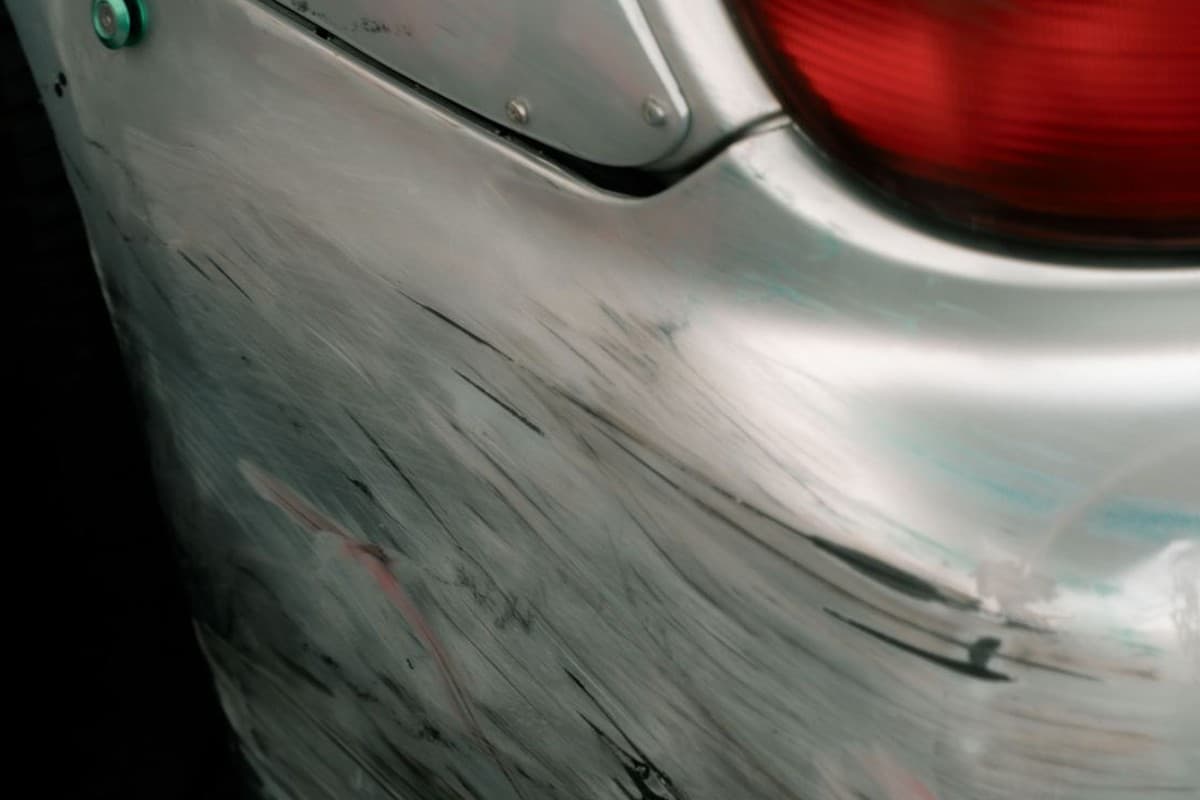
A small chip or scratch left untreated doesn’t stay small. Once the clear coat and base coat are broken, exposed metal starts to oxidize, and in a wet climate like this one, that process moves fast. What starts as a coin-sized chip can turn into a rust spot that requires cutting out and replacing metal, not just repainting it – a dramatically more expensive repair. Beyond the repair cost, faded paint, oxidation, and visible chips are some of the first things a buyer or appraiser notices, and they directly reduce resale and trade-in value even when the car runs perfectly.
How Often Should You Inspect Your Car’s Paint?
A quick walk-around once a month is enough to catch most problems early, but two windows matter more than any other: right after the rainy season eases up in late spring, and again at the end of summer after peak UV exposure. Check for new chips, cloudy or hazy patches, and any spot where the paint looks duller than the panel around it – those are the early signs worth acting on before they spread.
Everyday Habits That Protect Your Car’s Finish
Most paint protection isn’t a special product or a big expense – it’s a handful of consistent habits that keep damage from ever starting.
Washing Your Car the Right Way
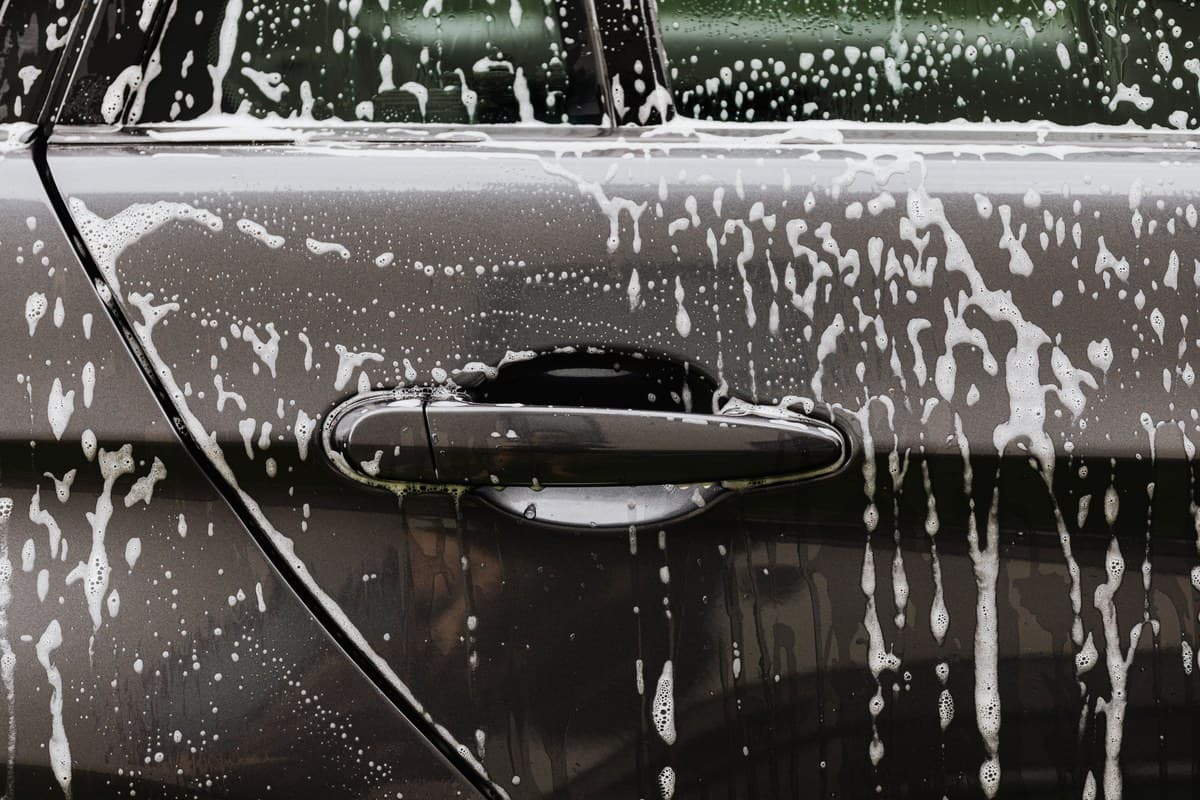
How you wash matters as much as how often. Automatic car washes with spinning brushes are one of the most common causes of fine swirl marks and micro-scratches, since the same brush drags grit across dozens of cars a day. A touchless wash, or a hand wash using a pH-neutral car soap, a clean microfiber mitt, and the two-bucket method – one bucket for soapy water, one for rinsing the mitt – removes road grime without dragging it across the paint. Rinsing thoroughly before you start scrubbing, and drying with a clean microfiber towel instead of letting the car air-dry, also prevents water spots from Willamette Valley’s mineral-heavy tap water.
Parking Smart: Sun, Shade, and Surface Awareness
Where you park affects your paint just as much as how you wash it. Parking under trees might feel like natural shade, but sap and bird droppings are both mildly acidic and can etch into clear coat within days if left to bake in the sun. A covered carport or garage is ideal; if that’s not available, a breathable car cover is a reasonable middle ground. It’s also worth thinking about road-salt splash zones during winter storms – parking away from where plow trucks pass, or rinsing the lower panels after a salted-road drive, prevents that grime from sitting against the paint overnight.
When Home Care Is Not Enough
Good habits prevent most damage, but they can’t fix damage that’s already happened. Knowing where that line is saves you from making a small problem worse.
Signs Your Car Needs a Professional Paint Touch-Up
Peeling or bubbling clear coat, chips that have gone down to primer or bare metal, and any spot with visible discoloration or rust are all past what washing, waxing, or a drugstore touch-up pen can address. If a chip has a rough or raised edge you can feel with a fingernail, or if you see a spreading rust bloom around a stone chip, that’s a sign the damage needs a proper repair, not just cosmetic cover-up.
What a Mobile Paint Service Can Do That You Cannot Do at Home
A professional mobile paint service brings factory paint-code matching, proper surface prep, and professional-grade sealants that go well beyond what’s available in a DIY kit. Instead of a touch-up pen that often dries a slightly different shade or texture than the surrounding paint, a trained technician blends the repair into the panel so it’s not visible at a glance – and, critically, seals it properly so moisture can’t get back underneath.
Choosing the Right Paint Protection Products
Once your car’s paint is in good condition, the right protective product extends how long it stays that way. The options aren’t complicated once you know what each one actually does.
Wax vs. Sealant vs. Ceramic Coating: What Is the Difference?
Wax is the most traditional option – it adds shine and a modest layer of protection, but it breaks down within a couple of months, especially in a wet climate. A synthetic paint sealant lasts longer, typically four to six months, and holds up better against rain and washing. Ceramic coating is a more durable, semi-permanent option – professionally applied coatings can protect for one to several years and offer stronger resistance to UV fading, chemical staining, and minor swirl marks, though it comes at a higher upfront cost and doesn’t replace the need for regular washing.
Are Paint Protection Films Worth It for Oregon Drivers?
Paint protection film (PPF), often called clear bra, is a clear urethane film applied directly to vulnerable areas – the front bumper, hood, and mirrors – where rock chips hit hardest. For drivers who regularly cover rural highways or gravel-adjacent roads around the Willamette Valley, where loose debris kicked up from oncoming traffic is a real and frequent risk, PPF is one of the few products that actually prevents chips rather than just protecting against fading. It’s a bigger investment than wax or sealant, but for high-mileage rural driving, it’s often worth it specifically for the front-end panels most exposed to impact.
Seasonal Paint Care Tips for Oregon’s Climate
Willamette Valley’s paint-care calendar really only has two seasons that matter: wet and dry, and each one puts different stress on your finish.
Winter and Rain Season Paint Care
Constant moisture, road grime, and the occasional freeze-thaw cycle are winter’s main threats. Regular washing matters more in winter, not less – road grime left sitting under a film of rainwater accelerates oxidation, and a lot of local drivers make a habit of a quick rinse after any drive on a freshly treated or salted road, especially along the lower panels and wheel wells where grime collects and doesn’t get washed off by rain alone. A coat of sealant or wax applied before the rainy season sets in gives the paint a head start against months of near-daily exposure.
Summer UV Protection for Your Vehicle’s Paint
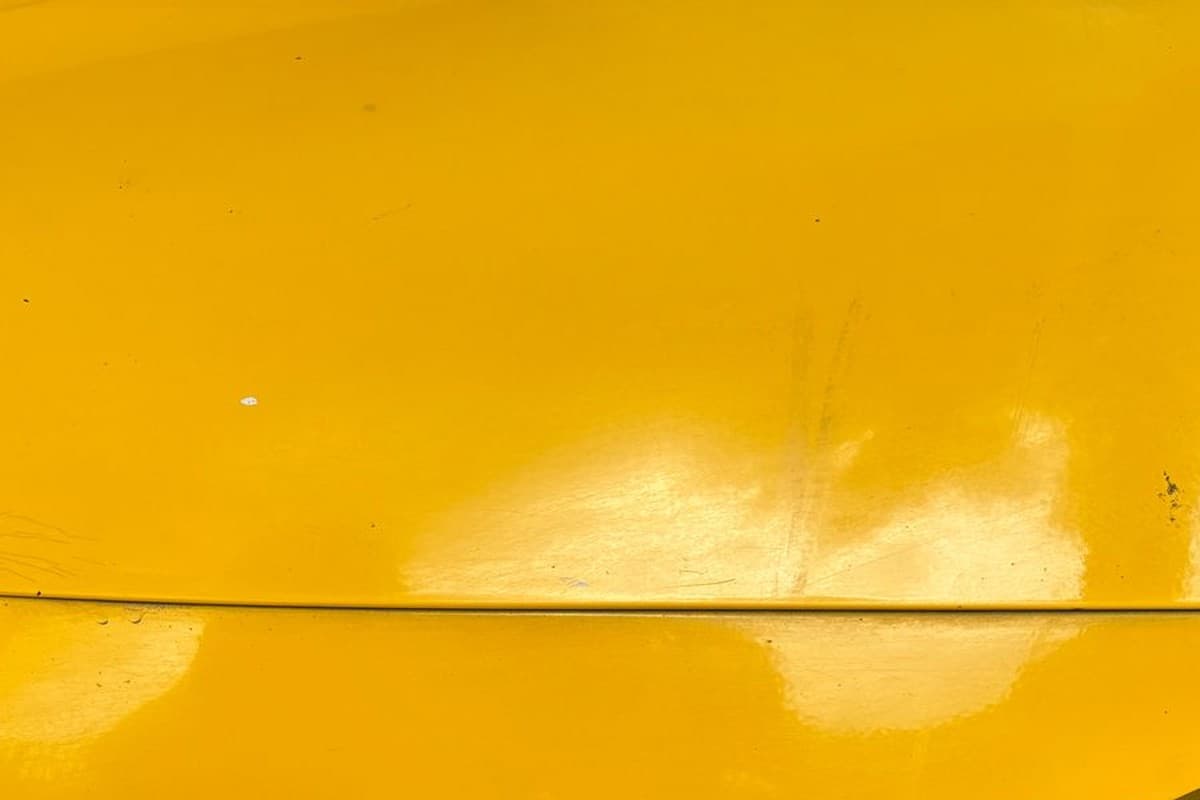
Willamette Valley summers bring long stretches of direct, high-angle sun that most drivers underestimate compared to more famously sunny regions – UV exposure adds up over a full day parked outside, not just on the hottest afternoons. UV breaks down the oils in clear coat over time, leading to fading, chalkiness, and eventually oxidation. Parking in shade or under cover during peak midday hours, and applying a UV-resistant wax or sealant before summer starts, meaningfully slows that process.
Protect Your Car’s Paint with DR Restoration
Local experience matters here – Willamette Valley’s wet winters, rural road debris, and Pacific Northwest UV patterns each affect paint differently than they would in a drier or less rural climate, and knowing which one is causing a given problem is the first step to fixing it correctly. DR Restoration has provided mobile paint touch-up, clear coat restoration, and paint correction throughout Junction City, Eugene, Springfield, Corvallis, Albany, and the surrounding Willamette Valley for over 35 years, with one technician handling every job from assessment to finish.
If your car’s paint has chips, fading, or damage that everyday care can’t fix, call 541-714-1244 or send photos through the Photo Estimate tool to find out what it needs.
FAQs
What is the best way to protect car paint in Oregon’s rainy climate?
Wash regularly to remove road grime before it sits on the paint, dry the car instead of air-drying to prevent water spots, and apply a sealant or wax before the rainy season to add a protective layer against months of near-constant moisture.
How often should I wax my car if I live in the Willamette Valley?
Traditional wax typically needs reapplying every one to two months in this climate since rain and washing wear it down faster than in drier regions. A synthetic sealant, which lasts four to six months, is a lower-maintenance option for drivers who don’t want to wax that often.
Can bird droppings and tree sap really damage my car’s paint?
Yes. Both are mildly acidic and can etch into clear coat if left in direct sun for even a day or two. Wiping them off promptly with a damp microfiber cloth, rather than letting them bake on, prevents lasting damage.
What is the difference between paint fading and clear coat failure?
Fading is a gradual dulling of color from UV exposure, usually still smooth to the touch. Clear coat failure is more advanced – the clear top layer separates, peels, or turns cloudy and rough, and it requires professional repair rather than a wax or polish, which can’t reattach a failing clear coat.
Is it worth getting a ceramic coating for an older vehicle?
It depends on the paint’s current condition. Ceramic coating works best applied over paint that’s already in good shape – it protects and enhances what’s there but doesn’t fix existing oxidation, scratches, or fading. For an older vehicle with visible paint issues, a paint correction beforehand makes the coating far more worthwhile.
When should I contact a professional instead of using a DIY paint touch-up kit?
If a chip has gone down to primer or bare metal, has a rough or raised edge, or shows any sign of rust starting underneath, a DIY touch-up pen usually can’t match the color or seal the area properly. That’s when a professional color-matched repair is worth it – it protects the metal underneath, not just the appearance.
Does parking in the shade actually help preserve car paint?
Yes, consistently parking in shade or under cover meaningfully slows UV-related fading and oxidation over time. The one exception is parking directly under trees, where sap and bird droppings can cause their own damage – a covered carport or shaded open area away from trees is the better combination.