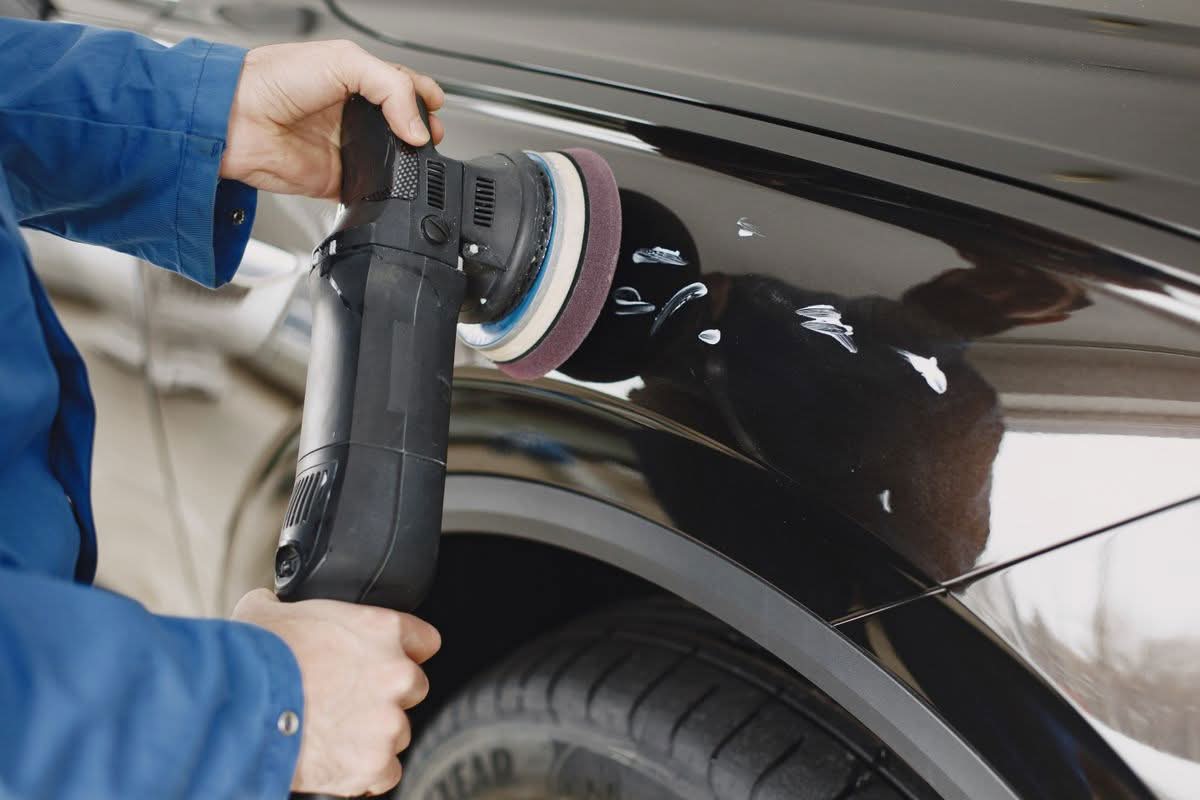
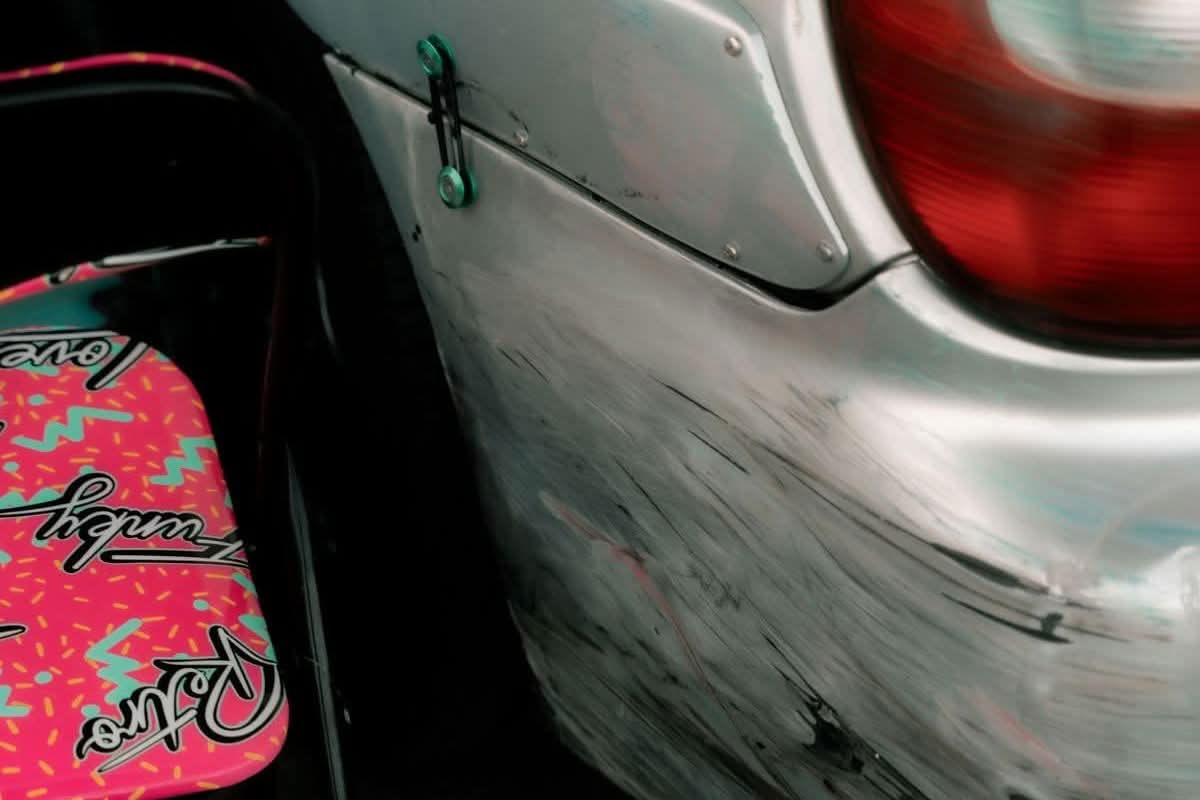

Cosmetic auto repair fixes surface-level damage – scratches, scuffs, dents, and paint chips – without the structural or mechanical work a traditional body shop is set up for. If you’ve noticed a scratch that won’t buff out, a ding from a shopping cart, or a chip that’s started to look worse over time, here’s what actually determines the right fix, and why addressing it sooner tends to matter more than it looks like it should.
What Is Cosmetic Auto Repair?
Cosmetic vehicle repair is distinct from structural or mechanical repair – it addresses how a vehicle looks rather than how it drives or holds together. That covers scratches, scuffs, minor dents, and paint chips: damage that affects appearance without compromising the vehicle’s frame, safety systems, or mechanical function. Addressing cosmetic damage matters more than it might seem, both for how a vehicle looks day to day and for what it’s worth at resale or trade-in – a car with a handful of untreated scratches and chips reads as less cared-for than one that’s had that damage addressed, even if nothing underneath is actually wrong.
Common Types of Cosmetic Vehicle Damage
Paint Scratches and Scuffs
Scratches typically come from parking lot incidents, keying, or brush and branch contact while parked or driving through tight spaces. How deep a scratch goes determines the fix: a surface scratch that only affects the clear coat is a different repair than one that’s cut through into the base coat or all the way down to primer or bare metal. The deeper the scratch, the more likely it needs full color-matched touch-up rather than a simple polish.
Door Dings and Minor Dents
Shopping carts and car doors in tight parking spaces are the most common sources of small dents. If the paint itself is untouched, paintless dent repair – a specialized technique that pushes the metal back into shape without disturbing the paint – can sometimes be an option through a technician who specializes in that process. If the paint is scratched, scuffed, or chipped as part of the ding, that’s paint touch-up territory, which is where DR Restoration’s cosmetic repair work applies.
Paint Chips from Road Debris
Gravel, rocks, and general road debris kicked up while driving cause the small paint chips that show up on hoods, bumpers, and fenders. Left untreated, a chip exposes the metal underneath to moisture, and that’s how rust starts – a chip that would have taken an hour to touch up can turn into a more involved rust repair if it sits through a wet Willamette Valley winter unaddressed.
How Does Professional Cosmetic Repair Work?
Paint Color Matching
Precise color matching, using the vehicle’s manufacturer paint code, is what makes a touch-up repair disappear into the surrounding finish instead of standing out. An experienced technician doesn’t just match the code on paper – blending the new paint into the existing finish, accounting for fading or slight variation in the original paint, is where real experience shows.
Paint Touch-Up and Blending Process
A typical repair follows the same basic sequence: surface preparation and cleaning, primer application where the damage has gone below the paint layer, color coat application matched to the factory code, and a clear coat seal to finish and protect the repair. A skilled technician blends the edges of the repair carefully, which is what minimizes any visible line between the repaired area and the original paint.
Mobile vs. In-Shop Cosmetic Repair
Mobile service handles the large majority of cosmetic repairs – scratches, chips, and touch-ups – without requiring you to leave your vehicle at a shop or arrange alternate transportation. More involved repairs, or damage that goes beyond what cosmetic touch-up addresses, are the situations where in-shop service becomes the more appropriate option instead.
Is Cosmetic Repair Worth It for Your Vehicle?
Addressing cosmetic damage helps preserve a vehicle’s resale and trade-in value – buyers and dealers both notice a well-maintained exterior, and untreated scratches or chips can work against a vehicle’s value more than their small size would suggest. Cosmetic touch-up repair is also considerably less expensive than a full panel respray at a traditional body shop, since it targets only the specific damaged area instead of repainting an entire panel. Choosing mobile or specialized cosmetic repair over a traditional shop also tends to save real time – no drop-off, no pickup, no waiting on a shop’s schedule.
What Sets DR Restoration Apart?
DR Restoration brings over 35 years of hands-on cosmetic vehicle repair experience to every job in the Willamette Valley. Every repair is handled personally by one experienced technician – not a rotating shop crew – which means a more personalized, professional approach than a large, impersonal body shop typically offers. Services cover paint touch-up, clear coat restoration, paint correction, windshield rock-chip repair, headlight restoration, interior cosmetic repair, and detailing, all available as mobile service throughout the valley.
How Do You Know If Your Car Needs Cosmetic Repair?
If a scratch won’t buff out with normal washing and waxing, if a chip has started to look worse or spread since you first noticed it, or if a ding has visibly affected the paint rather than just the metal underneath, that’s usually a sign the damage has moved past what a DIY fix can handle. A professional evaluation is worth getting before damage has a chance to worsen – catching cosmetic issues early is generally what keeps them small, affordable repairs instead of bigger ones. For Willamette Valley drivers, getting that evaluation is as simple as a phone call or a couple of photos, with no pressure and no hassle either way.

DR Restoration provides mobile cosmetic auto repair throughout Junction City, Eugene, Springfield, Corvallis, Albany, Monroe, Harrisburg, Coburg, Tangent, and the surrounding Willamette Valley. Call 541-714-1244 or send photos through the Photo Estimate tool to get a straightforward read on what your vehicle needs.
FAQs
What is the difference between cosmetic repair and structural auto body repair?
Cosmetic repair addresses surface-level damage – scratches, scuffs, dents, and paint chips – without affecting the vehicle’s frame, safety systems, or mechanical function. Structural repair deals with damage to the vehicle’s frame or safety-critical components, and belongs at a full body shop rather than a cosmetic repair service.
Can cosmetic scratch and dent repair restore my car’s original finish?
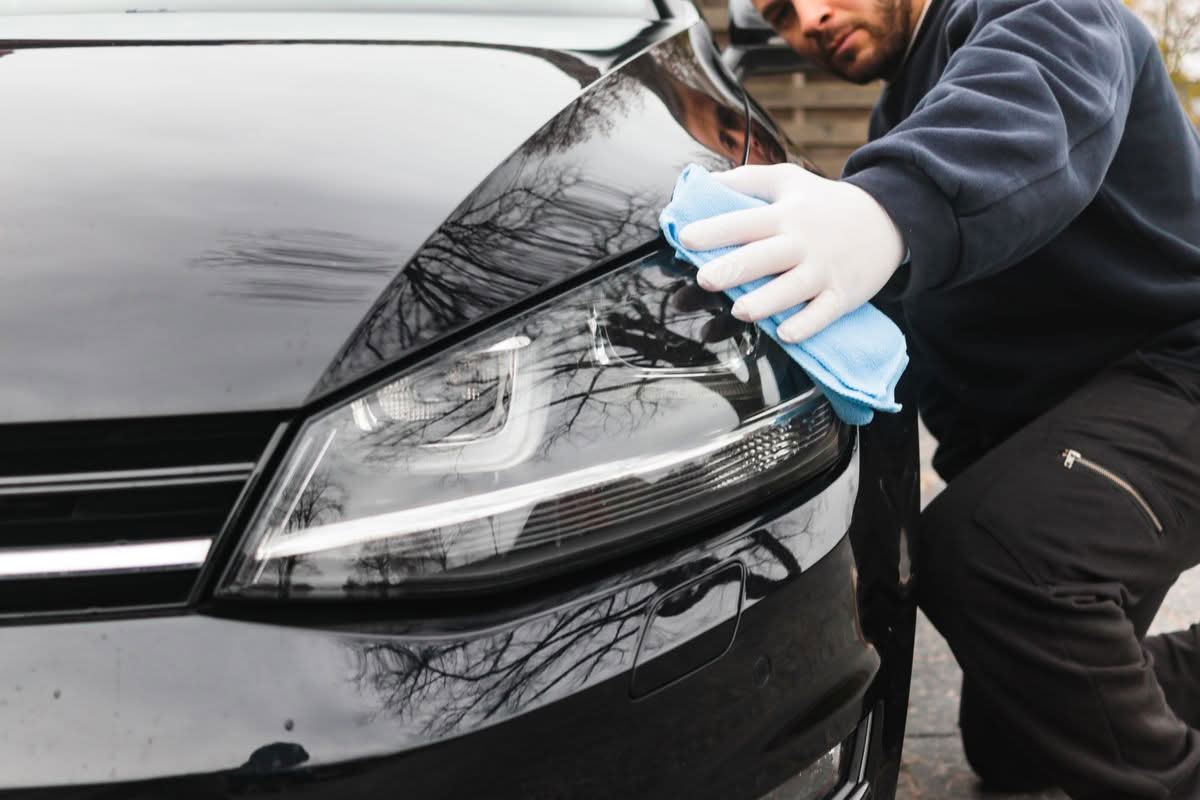
A well-done touch-up, matched to the vehicle’s factory paint code and properly blended, can restore a finish that looks consistent with the surrounding paint. How close it gets depends on the depth and location of the original damage.
How much does professional cosmetic car repair typically cost?
Cosmetic paint touch-up typically runs $75 to $350, depending on the size and location of the damage – a fraction of what a full panel respray at a traditional body shop tends to cost.
Is mobile cosmetic auto repair as effective as in-shop repair?
For the scratches, chips, and touch-ups that make up most cosmetic damage, mobile repair delivers the same quality as in-shop work, using the same materials and techniques – just without the trip. More involved repairs are the cases where in-shop service becomes the better fit.
How long does a cosmetic paint touch-up repair take to complete?
Most single-area touch-up repairs take about one to two hours on-site, covering prep, color matching, application, and clear coat sealing.
Will cosmetic repairs affect my car’s resale or trade-in value?
Addressing cosmetic damage generally helps preserve resale and trade-in value, since a well-maintained exterior is one of the first things buyers and dealers notice. Leaving scratches and chips untreated tends to work against a vehicle’s value more than their size alone would suggest.
Can all paint colors be matched for a touch-up repair?
The large majority of factory paint colors can be matched using the vehicle’s manufacturer paint code. Some older vehicles or heavily faded paint can make an exact match more difficult, which is something a technician can assess before starting the repair.